公交车服务

Search documents
守正创新 勇挑高原发改重担
Xin Lang Cai Jing· 2026-02-26 23:51
Core Viewpoint - The development and reform bureau of Hualong County in Qinghai Province has innovatively implemented price regulation, reform, supervision, and service to support high-quality economic and social development in the region [1][2]. Group 1: Price Regulation and Monitoring - The bureau has established a price monitoring and early warning system for six key categories of goods, including grain, vegetables, and meat, enhancing the county's price governance capabilities [1]. - A collaborative mechanism involving "system + technology + team" has been developed to explore "price credit grading management," modernizing the price governance system [1]. Group 2: Internal Management and Risk Prevention - The bureau identified four key integrity risk points and established a risk management system, focusing on project approval, fund allocation, and price services to create a clean working environment [2]. - A comprehensive price monitoring network has been constructed, monitoring 38 types of essential urban food items, providing 106 analytical reports to local government over the past five years [2]. Group 3: Reform and Cost Investigation - The bureau has implemented 12 price policies in key areas, including public transport and education, and completed comprehensive agricultural water price reforms over 13.65 million mu, reducing the burden on farmers [2]. - Staff conducted thorough cost investigations by engaging directly with farmers, achieving 100% data accuracy in their surveys [2]. Group 4: Fee Regulation and Recognition - The bureau has successfully eliminated unreasonable fees from gas companies, resulting in a total tax reduction of 63.85 million yuan, and has refunded over 93,500 yuan in excess electricity charges [3]. - Due to its outstanding performance, the bureau was recognized as a "National Advanced Collective in Agricultural Product Cost Investigation" by the National Development and Reform Commission in 2022 [3].
十米车厢里的暖心年味
Xin Lang Cai Jing· 2026-02-17 01:48
Core Viewpoint - The article highlights the transformation of public transportation in Tangshan, particularly focusing on the warm and personalized service provided by bus driver Dai Enwen during the Spring Festival, showcasing how public transport can enhance community spirit and passenger experience [1][2][4]. Group 1: Service Transformation - The Tangshan public transport system has shifted from merely providing transportation to offering a more comprehensive service experience, with drivers like Dai Enwen exemplifying this change through personalized interactions with passengers [2][4]. - Dai Enwen's "scene-based service dialogue" includes tailored communication for different passengers, enhancing their travel experience during the festive season [2][3]. Group 2: Community Engagement - The bus has become a "mobile community," where Dai Enwen's friendly remarks and attentiveness create a warm atmosphere, making passengers feel at home [2][3]. - The establishment of a WeChat group for passengers allows for real-time communication, enhancing the sense of community and providing a platform for sharing information and gratitude [3][4]. Group 3: Safety and Education - Safety is emphasized as a priority during the Spring Festival, with Dai Enwen conducting weekly "safety classes" in a casual manner, making safety tips more relatable and memorable for passengers [4][5]. - The integration of safety reminders into daily interactions reflects the commitment of the Tangshan public transport system to prioritize passenger well-being [4][5]. Group 4: Recognition and Impact - Dai Enwen has received over 400 letters of appreciation and 12 banners in recognition of his service, highlighting the positive impact of his approach on passenger satisfaction [2][5]. - His efforts contribute to the overall high-quality development of public transport in Tangshan, positioning it as a model for integrating warm service into urban mobility [4][5].
地铁成网,济南公交如何精准“在场”?
Feng Huang Wang Cai Jing· 2026-01-21 07:49
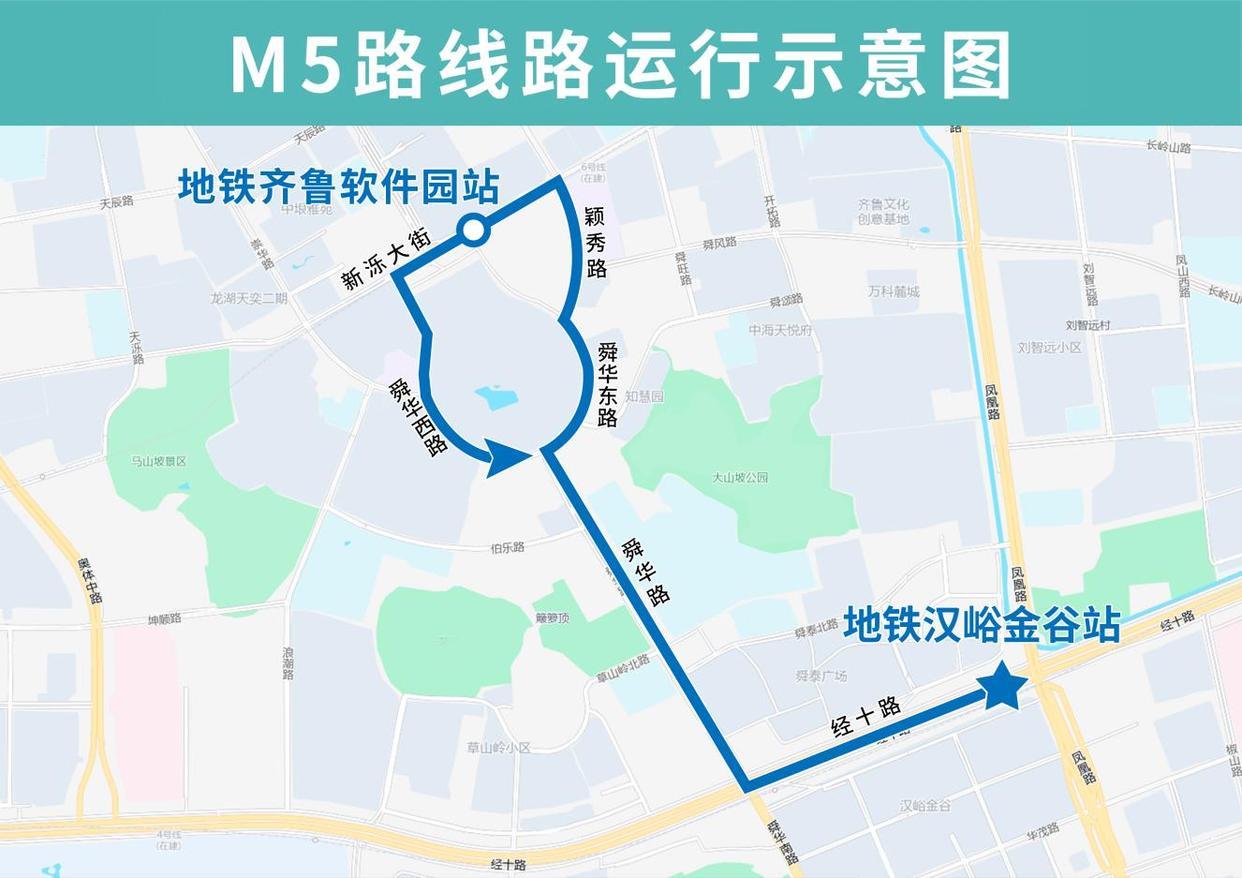
Core Insights - The integration of public transport and metro systems in Jinan is aimed at creating a seamless commuting experience for residents, with a commitment to "one minute to board a bus after exiting the metro" [1][2] - Jinan's public transport is evolving from being the primary mode of transport to focusing on precise services that connect areas not easily accessible by metro, effectively addressing the "last mile" issue [1][5] Group 1: Metro and Bus Integration - Jinan officially entered the era of integrated rail transit with the simultaneous opening of metro lines 4, 6, and 8 on December 27, leading to a significant increase in passenger volume, reaching 82,618 within two hours of opening [1] - The city has over 280 bus routes specifically designed to connect with metro stations, such as the M5 route, which links key business districts with a bus frequency of every five minutes during peak hours [8][10] Group 2: Service Innovations - Jinan has implemented community-based services like "street block buses," allowing residents to summon buses via an app or a physical button, addressing issues of peak overcrowding and off-peak underutilization [5] - The city has optimized over a hundred bus stops to be within 50 meters of metro entrances, enhancing the convenience of transfers with clear signage and real-time information displays [8][10] Group 3: Community Focus - The evolution of the bus system reflects a commitment to prioritizing human-centered urban governance, with routes like K121 connecting rural areas to urban markets, emphasizing the importance of accessibility for all residents [9][10] - Jinan's public transport strategy includes a diverse range of services, such as customized buses and neighborhood routes, aiming for 100% coverage of bus stops within 500 meters in the main urban area by the end of 2025 [10]

多方回应公交车拒收一角钱:合作银行拒收一角钱,此举不合理也不合法
Xin Lang Cai Jing· 2025-12-20 10:53
Group 1 - The public transportation company in Lingyuan City, responsible for bus route 2, has stopped accepting one-cent coins due to issues with their cooperating bank, which they claim refuses to exchange these coins [1] - The company operates multiple bus lines and previously accepted one-cent coins, but the recent refusal from the bank has led to a policy change across all routes [1] - Legal experts have stated that the refusal to accept one-cent coins is both unreasonable and illegal, as one-cent coins are legal tender and cannot be refused by any entity or individual [1] Group 2 - Multiple bank branches in Lingyuan City, including China Bank, Agricultural Bank of China, and China Construction Bank, confirmed that they can normally exchange one-cent coins, indicating that the issue lies with the bus company's banking arrangements [1] - The local transportation management bureau has not provided clear guidance on the matter, as attempts to contact relevant departments have been unsuccessful [1] - Legal advice suggests that citizens should file complaints with appropriate authorities regarding the bus company's refusal to accept legal tender [1]
公共服务,从“有”到“优”(编辑手记)
Ren Min Ri Bao· 2025-11-22 22:00
Core Viewpoint - The article highlights the effective response of local government in ensuring reliable public transportation during extreme winter conditions, showcasing an upgrade in public service quality [1]. Group 1: Public Service Response - The local government prepared snow removal equipment and materials in advance to address transportation challenges during the first winter after reconstruction [1]. - An emergency plan was implemented to transform uncertainties in travel into certainties, ensuring safe transportation for the community [1]. - The timely arrival of the bus service during snowstorms exemplifies the commitment to providing essential public services when most needed [1].
北京部分公交站同站不同名,官方:建立专班,一站一站梳理
Bei Jing Ri Bao Ke Hu Duan· 2025-05-14 05:14
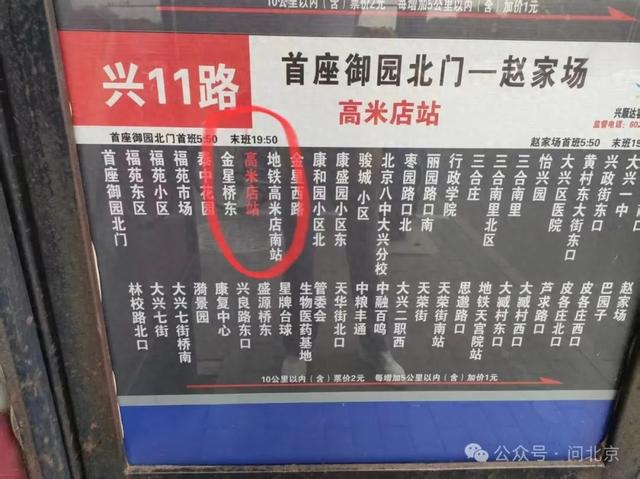
Group 1 - The report highlights an issue in Daxing District, Beijing, where multiple bus stops have different names for the same location, causing confusion for passengers [2][10] - A passenger, Ms. Tang, experienced difficulties when trying to transfer from bus route 848 at "Gaomidian Station," which is also referred to as "Jinxingqiao West Station" for route X11 on navigation apps [10][12] - The Beijing Public Transport Group confirmed that route 848 is operated by them, while route X11 is managed by a local private company, leading to discrepancies in station naming [11][12] Group 2 - The operator of route X11, Beijing Xingshunda Passenger Transport Co., stated that "Jinxingqiao West" is a temporary stop without a designated sign, requiring passengers to signal the driver to stop [12][13] - The Daxing District Transportation Bureau has established a verification team to address the naming inconsistencies across over 4,600 bus stops in the area, aiming to standardize names [14][15] - Following the report, a new sign for route X11 was installed at "Gaomidian Station," aligning it with the naming of route 848, although discrepancies still exist on navigation platforms [15][16]