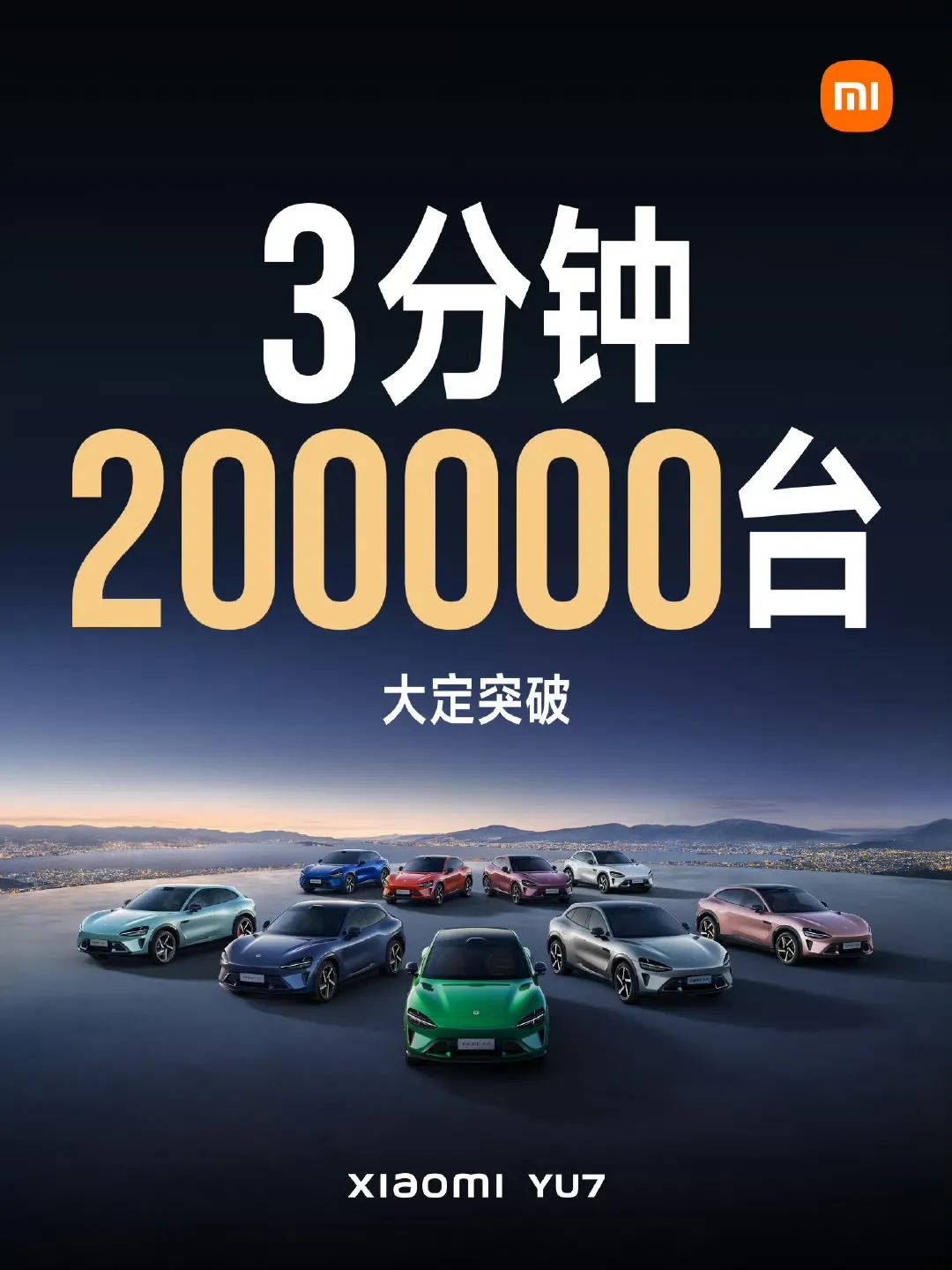
兰博基尼Urus

Search documents
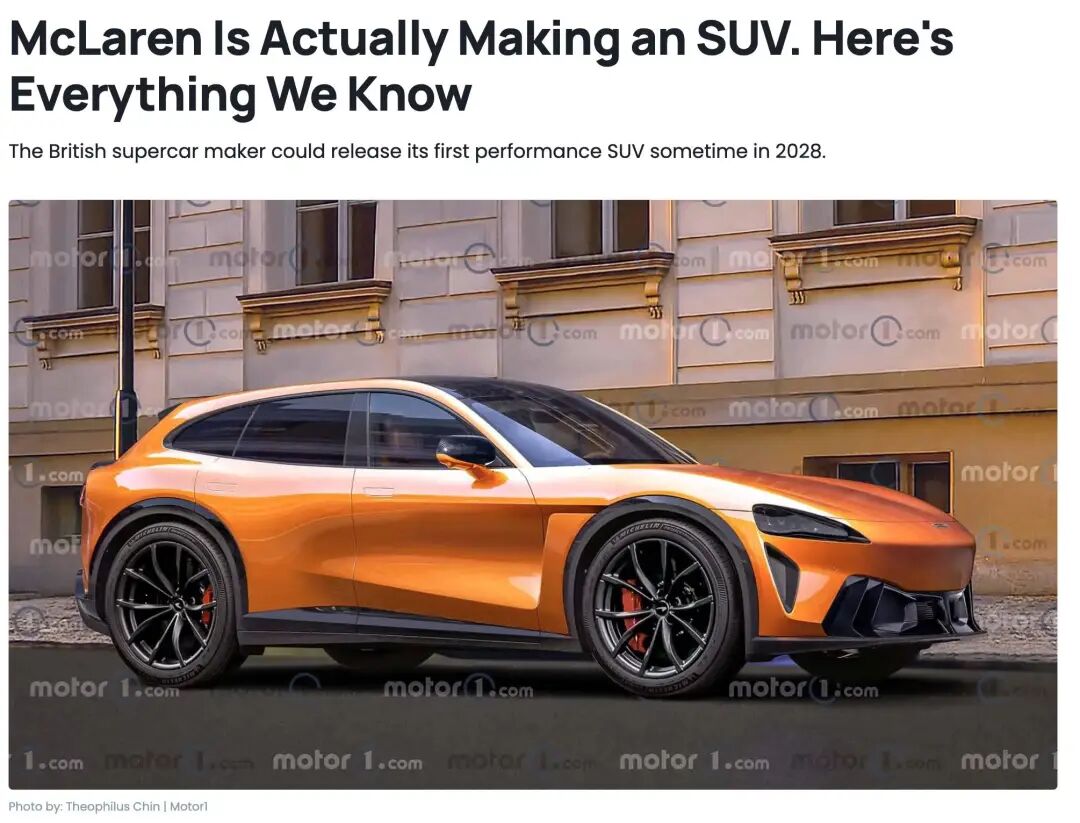
造型撞脸小米 YU7,绝不做 SUV 的迈凯伦,还是妥协了
3 6 Ke· 2025-12-14 02:54
Core Viewpoint - McLaren, historically resistant to SUVs, is reportedly developing a hybrid five-seat SUV model, internally coded as "P47," expected to debut in 2028, indicating a shift in its long-standing position against SUVs [1][10][24]. Group 1: Historical Context - McLaren's previous stance against SUVs was rooted in its racing heritage and engineering principles focused on lightweight and performance [4][10]. - The brand's commitment to high-performance vehicles has been evident since its inception in 1963, with a focus on creating race-winning machines [4][5]. Group 2: Market Dynamics - The SUV market has proven lucrative, with brands like Lamborghini and Ferrari successfully integrating SUVs into their lineups, significantly boosting sales [13][15]. - McLaren's annual sales have stagnated around 5,000 units, far below competitors like Ferrari and Lamborghini, highlighting its struggle to absorb high R&D costs without a parent company for financial support [11][15]. Group 3: Strategic Shift - The impending entry into the SUV market is driven by external pressures, including stringent European emissions regulations and the need for a new revenue stream to support ongoing supercar development [11][15]. - The SUV is seen as an ideal platform for hybrid technology, allowing for larger batteries and higher price points to offset development costs [16][24]. Group 4: Product Development - The new SUV is expected to feature a hybrid system based on a V8 engine, targeting an output of 900-1000 horsepower, positioning it competitively against existing models like the Lamborghini Urus SE [22][24]. - Pricing for the new SUV is anticipated to be around 3 million yuan, aligning it with competitors while allowing McLaren to define its unique offering in the SUV segment [24][26].

那些交付需等一年以上的车,都有谁?
3 6 Ke· 2025-07-07 08:50
Core Viewpoint - The long delivery times for popular electric vehicles, particularly the Xiaomi YU7, have sparked consumer frustration, despite the high demand and initial excitement surrounding these models [1][5][20]. Group 1: Delivery Times and Consumer Reactions - The Xiaomi YU7 has a delivery time of up to 61 weeks, which translates to over a year, causing significant consumer dissatisfaction and even calls for refunds [5][7][9]. - Other luxury brands also experience long delivery times, with Lamborghini's Revuelto requiring over two years for delivery, while Porsche's Panamera maintains a shorter six-month wait [10][14]. - The phenomenon of long delivery times is not unique to Xiaomi, as many high-demand models across various brands face similar delays due to supply chain issues and production limitations [9][20]. Group 2: Factors Contributing to Delays - The delays in delivery are attributed to several factors, including high demand for these "hot" models, supply chain vulnerabilities, and production capacity constraints [22][23][27]. - For instance, Xiaomi's SU7 has faced extended delivery times due to battery supply issues, which have been partially alleviated by switching to a new battery supplier [24][27]. - The production capacity of Xiaomi's factories is limited, with the current maximum capacity being 300,000 units, while there are over 140,000 outstanding orders for the SU7 alone [27]. Group 3: Consumer Sentiment and Market Dynamics - Despite the long wait times, many consumers are willing to wait due to brand loyalty and the perceived value of the vehicles, particularly among Xiaomi's existing customer base [31][33]. - The emotional value and brand attachment play significant roles in consumer decisions, with some consumers viewing the wait as an opportunity to save more money [34][35]. - However, there are concerns about the potential for the vehicles to become outdated by the time they are delivered, as software updates and new features may be released during the waiting period [38][39].