兴业太古汇

Search documents
太古上海一个商场去年零售额增长5成
第一财经· 2026-03-13 16:16
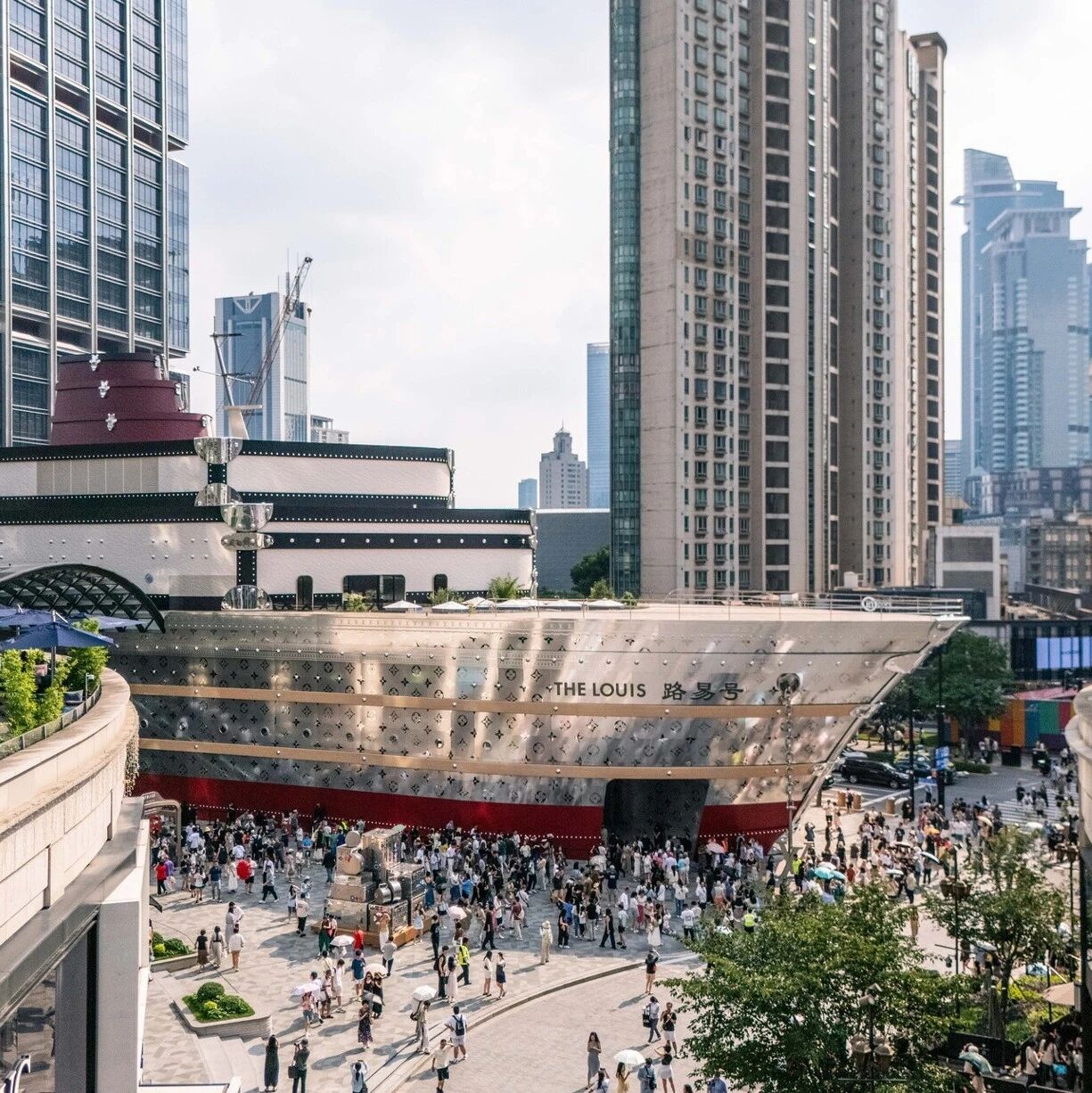
Core Viewpoint - The recovery of the retail market has enabled Swire Properties (HK01972) to achieve stable operating performance in 2025, with total revenue reaching HKD 16.041 billion, an increase of 11% year-on-year, and a net profit attributable to shareholders of HKD 8.62 billion, up 27% year-on-year [2]. Group 1: Financial Performance - The growth in performance was primarily driven by the sale of non-core assets, including the Brickell City Centre shopping center in Miami and various properties in Hong Kong [2]. - In 2025, Swire Properties recorded a net loss attributable to shareholders of HKD 1.533 billion, a significant increase from the previous year, mainly due to changes in the fair value of investment properties, which resulted in a loss of HKD 7.716 billion [2]. - Rental income for the reporting period totaled HKD 13.014 billion, a decrease of approximately 3% year-on-year, with the mainland China market contributing HKD 5.392 billion, a growth of over 2% [2]. Group 2: Retail Market Insights - The CEO of Swire Properties noted that the Chinese government's relaxation of various policies in 2025 successfully boosted consumer confidence, leading to a 7% increase in retail sales across the company's retail properties, outperforming the market and exceeding 2019 levels by 65% [3]. - The most notable retail project in 2025 was the Xinyi Taikoo Hui in Shanghai, which saw a 50% increase in retail sales following the opening of the LV flagship store, while rental income increased by 1% [3]. - Other projects such as Sanlitun Taikoo Li in Beijing and Chengdu Taikoo Li also reported increases in retail sales and rental income, with growth rates of 11% and 3%, and 7% and 5%, respectively [3]. Group 3: Future Outlook and Investment Plans - Swire Properties anticipates that the growth momentum in the mainland retail market will continue into 2026, with double-digit growth in retail sales observed in the first two months of the year [5]. - The company plans to invest significantly in the mainland market, with approximately 67% of its HKD 100 billion investment plan already committed to ongoing projects, aiming to double the total floor area in mainland China [6]. - Key projects include comprehensive developments in Xi'an, Sanya, Shanghai, and Guangzhou, focusing on retail-led initiatives [6].


港资真在撤离吗
创业邦· 2025-11-23 03:32
Core Viewpoint - The article discusses the challenges faced by Hong Kong real estate companies, particularly focusing on the debt crisis of Emperor Group, which has a debt of HKD 16.6 billion, and the broader implications for the Hong Kong real estate sector in mainland China [7][8][9]. Group 1: Debt Crisis and Market Response - Emperor Group's entertainment artists are engaging in unusual activities to address the company's HKD 16.6 billion debt crisis [7][8]. - The trend of Hong Kong real estate companies reducing their presence in mainland China is becoming more pronounced, with companies like Hongkong Land announcing significant layoffs [10][12]. - The once strong presence of Hong Kong real estate firms in mainland China is diminishing, indicating a potential end to the "Hong Kong era" in the mainland real estate market [14]. Group 2: Historical Performance and Market Changes - Hong Kong real estate companies were once known for their aggressive land acquisitions, setting records for land prices, such as Hongkong Land's HKD 31 billion purchase in 2020 [17][18]. - The sales performance of projects developed by Hong Kong firms was also strong, with notable examples like New World Development's luxury properties achieving record prices [20][24]. - The decline in performance for companies like Hongkong Land is evident in their financial reports, showing a significant drop in profits and an increase in losses [31][32]. Group 3: Strategic Adjustments and Future Directions - Many Hong Kong real estate firms are strategically downsizing their operations in mainland China, with companies like Cheung Kong Holdings selling off assets and reducing their market presence [38][39]. - Some firms are adapting by accelerating project development and exploring joint ventures, as seen with Swire Properties and Lujiazui Group [56][62]. - The shift towards a "light asset" model is emerging as a new opportunity for Hong Kong firms, allowing them to leverage their brand and operational strengths while partnering with local entities [78][80]. Group 4: Market Adaptation and Competitive Landscape - The article highlights the competitive landscape where Hong Kong firms are adjusting to the improved quality and competitiveness of mainland developers [105]. - Companies like New World Development are utilizing their K11 brand to explore light asset collaborations, enhancing their operational capabilities [92][96]. - The ongoing changes in the market are prompting a reevaluation of strategies among Hong Kong real estate firms, with some embracing transformation while others retreat [101][106].