
兴发牌铝型材

Search documents
第二十五章“兴发现象”与“名牌战略”(二)
Sou Hu Cai Jing· 2025-12-04 02:07
Core Viewpoint - The article emphasizes the importance of brand strategy for companies, particularly in the context of the rapid development of the private economy in Nanhai, Guangdong, and the need for local enterprises to establish strong brands to compete in the global market [2][3][4]. Group 1: Brand Strategy Implementation - The implementation of a brand strategy is crucial for reducing transaction costs, which are currently high in China due to the transition from a planned economy to a market economy [4][5]. - The creation and management of brands are essential for reflecting product quality and good service to consumers, thereby lowering transaction costs [5][6]. - A successful brand is built on customer recognition and requires long-term cultivation, especially in the competitive landscape post-WTO accession [6][8]. Group 2: Insights from Experts - Professor Wu Jinglian provided valuable insights on how private enterprises can create brands and connect with international markets, emphasizing the need for quality and customer satisfaction [3][4][12]. - The "Xingfa phenomenon" is highlighted as a representative case of how private enterprises can successfully implement brand strategies, focusing on specialization and efficiency rather than size [14][18]. - The discussion at the seminar included the necessity for collaboration among enterprises, government, and society to effectively develop brand strategies [12][13]. Group 3: Challenges and Opportunities - The article discusses the challenges faced by Chinese enterprises in establishing brands, particularly the high transaction costs and the need for innovation to compete with foreign companies that possess strong brand advantages [5][17]. - It is noted that many enterprises have failed in their branding efforts due to a lack of quality products and effective marketing strategies, highlighting the importance of a solid foundation in product quality [9][10]. - The need for continuous technological innovation and investment in research and development is emphasized as a means for companies to maintain competitive advantages in the international market [17][18].

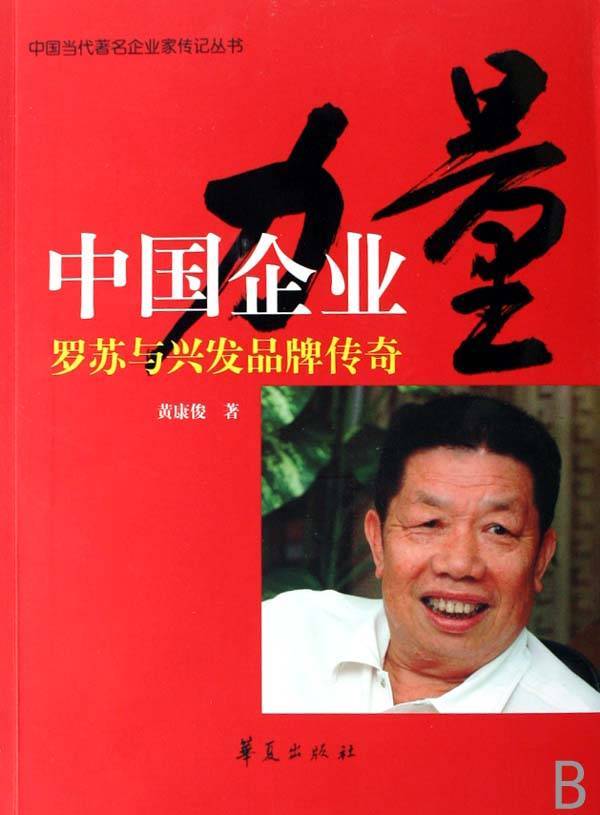
黄康俊 著《中国企业力量》18.第十六章 规范的力量
Sou Hu Cai Jing· 2025-11-26 02:49
Core Viewpoint - The article emphasizes the importance of quality management and adherence to international standards in enhancing the competitiveness and sustainability of the company, Xingfa, in the aluminum industry. Group 1: Management Philosophy - The company believes in the power of management through systems, information, and standards to achieve efficiency and effectiveness [2] - The founder, Luo Su, advocates for a strong foundation and continuous improvement, drawing inspiration from historical wisdom [4] Group 2: Quality Management Initiatives - In 1995, the company decided to implement the ISO9002 quality management certification, a bold move for a local enterprise at the time [5][6] - The initiative faced skepticism from both internal and external stakeholders, but Luo Su remained committed to aligning the company with international quality standards [5][6] Group 3: Implementation Process - The company established an ISO9002 certification office and began extensive documentation and training to meet the certification requirements, producing over 400,000 words of documentation [10][11] - Regular audits and a quality responsibility system were implemented to ensure compliance and continuous improvement [11] Group 4: Achievements and Recognition - By March 1996, the company successfully passed the ISO9002 certification, significantly enhancing its quality management and innovation capabilities [12][13] - The company was recognized as a national production base for aluminum profiles by the Ministry of Construction, highlighting its industry leadership and commitment to quality [19][20] Group 5: Market Position and Impact - Despite market challenges, including competition from low-quality products, the company maintained strong demand for its high-quality aluminum products, which are known for their durability and performance [15][16] - The company played a pivotal role in setting industry standards, participating in the formulation of national aluminum profile standards, thus influencing the entire industry [21]
黄康俊 著《中国企业力量》17.第十五章 “注意来自中国兴发的挑战”
Sou Hu Cai Jing· 2025-11-25 01:39
Core Viewpoint - The article highlights the success story of Xingfa, a Chinese aluminum profile manufacturer, showcasing its quality products and management practices that led to significant achievements in the construction industry, particularly with the Shanghai Oriental Pearl Tower project [2][3][5]. Group 1: Company Achievements - Xingfa was selected to provide aluminum profiles for the Shanghai Oriental Pearl Tower, a significant engineering project, marking a milestone in the company's history [2][3]. - The use of Xingfa's aluminum profiles saved the project approximately 4 million yuan compared to imported materials, demonstrating both cost-effectiveness and quality [3][5]. - By 1992, Xingfa had achieved a production value of 432 million yuan, a 56.3% increase from the previous year, and ranked 53rd among the top 500 township enterprises in China [5][13]. Group 2: Industry Recognition - The Ministry of Construction of China actively promoted Xingfa's products, organizing a conference to showcase new technologies and products developed by the company [6][7]. - At the 1994 American Pacific Coast Building Industry Expo, Xingfa won a gold award, marking the first time a Chinese aluminum profile company received such international recognition [12][13]. - Xingfa maintained its position as the top-selling aluminum profile brand in China for ten consecutive years, earning the title of "Chinese Famous Brand" [13]. Group 3: Management Philosophy - The company's founder, Luo Su, emphasized a management philosophy focused on quality and customer responsibility, which resonated with industry experts and contributed to the company's success [7][10]. - Luo Su's approach to management and product development has been recognized as a model for other enterprises in the industry, encouraging innovation and quality improvement [7][10].
黄康俊 著《中国企业力量》8.第六章 管理革命之一:十二字方略
Sou Hu Cai Jing· 2025-11-17 05:37
Core Viewpoint - The article highlights the management philosophy and strategies of Luo Su, the leader of Xingfa, emphasizing the importance of technology, management, and quality in running a successful factory, particularly in the context of China's economic reforms [4][5]. Group 1: Management Philosophy - Luo Su's management strategy is encapsulated in the twelve-character motto: "Technology revitalizes the factory, management governs the factory, quality ensures the factory" [4][5]. - The emphasis on continuous learning and adaptation is evident, with regular meetings held to discuss management, technology, and political direction, reflecting a blend of socialist principles with capitalist management practices [5][6][9]. Group 2: Operational Success - Under Luo Su's leadership, Xingfa has seen significant operational success, with production orders exceeding expectations shortly after the factory's launch, indicating a strong market demand for its products [4][5]. - The factory employs strict management practices, including penalties for tardiness and other infractions, which have led to improved discipline among workers and a reduction in violations over time [10][12][14]. Group 3: Employee Development - The article discusses the importance of training and adherence to rules, with a comprehensive employee handbook and mandatory examinations to ensure that workers understand their responsibilities and the factory's operational standards [12][13]. - Luo Su's approach to management includes a focus on building a competent workforce, recognizing that effective management is crucial for the success of both the factory and its employees [14][18].
