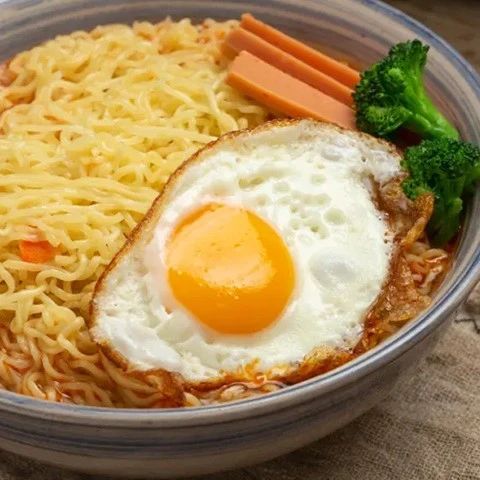
内江牛肉面

Search documents
四川内江,这座“甜城”为何让人流连忘返?
Sou Hu Cai Jing· 2025-09-01 08:09
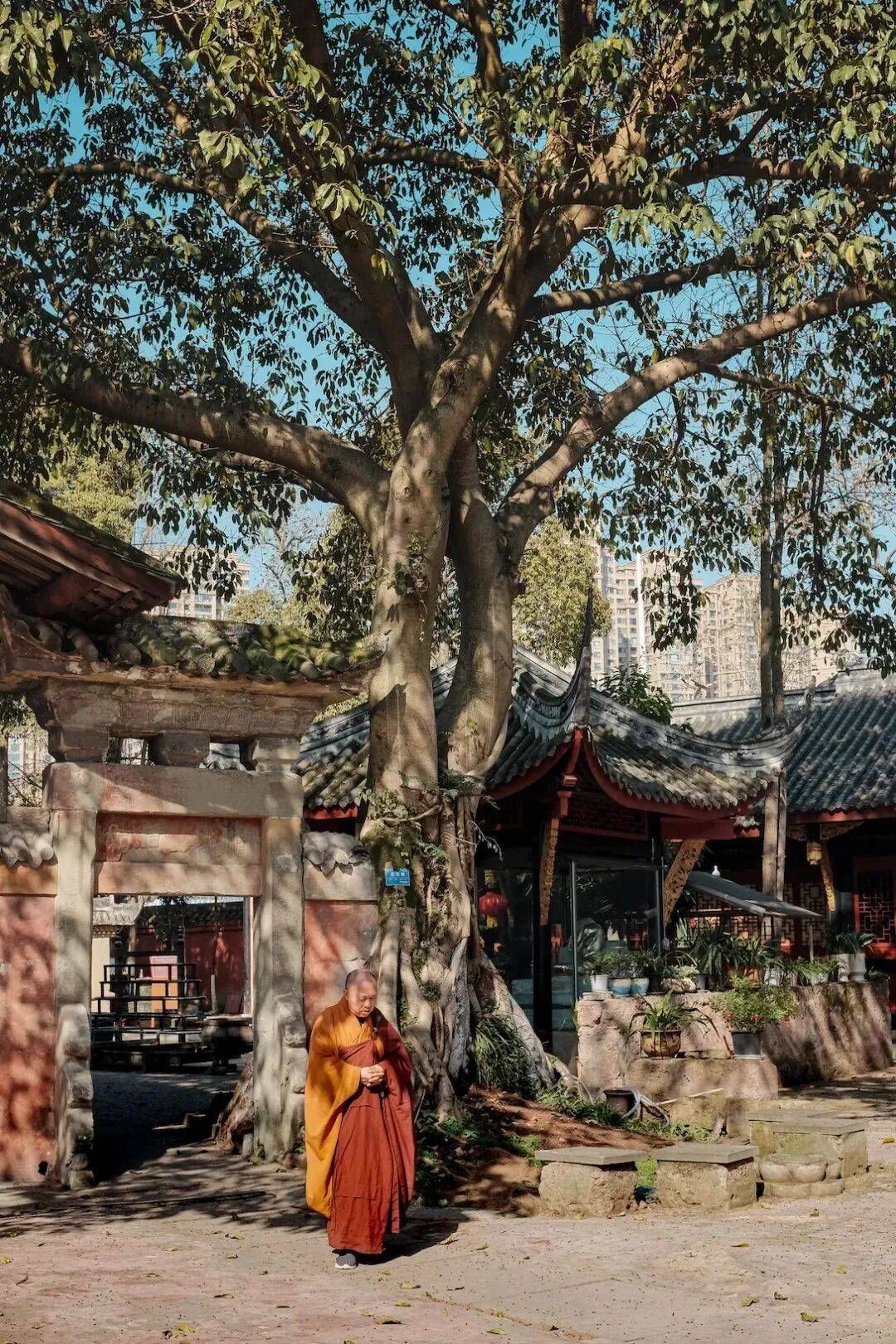
Core Insights - Neijiang, a small city in Sichuan, has gained public attention as a filming location for the movie "Walking and Stopping," starring Gao Yuanyuan and Hu Ge, and is noted for its unique retro charm and sweet heritage [1][3] Group 1: Historical and Cultural Significance - Neijiang is located in the southeastern part of the Sichuan Basin, with a history spanning 2000 years, and is known as the hometown of famous painter Zhang Daqian [3] - The city was historically prosperous due to its sugar industry, earning it the nickname "Sweet City" [3][9] - The old town features winding streets and staircases, with Dati Alley being a notable location that contributes to Neijiang's reputation as "Little Hong Kong" [3] Group 2: Local Lifestyle and Attractions - The old streets of Neijiang are filled with the aroma of local delicacies, such as fried cakes, and are bustling with life, showcasing a vibrant local culture [6] - The contrast between the lively old town and the tranquility of Shengshui Temple highlights the city's diverse atmosphere [6] - Neijiang's culinary offerings, including its famous beef noodles and various local snacks, play a significant role in the city's identity and appeal [9] Group 3: Emotional Connection and Tourism - For those who have left Neijiang, the memories associated with its streets and food evoke a deep sense of nostalgia and belonging [9] - The city's unique charm continues to attract more visitors, drawn by its retro style and sweet heritage [9]

去了四川小香港,走高圆圆的路,被这座老城甜到了
Sou Hu Cai Jing· 2025-08-31 11:32
Core Viewpoint - The article highlights the charm and unique characteristics of Neijiang, a small city in Sichuan, often referred to as the "Sweet City" due to its historical sugar production and rich cultural heritage [4][37]. Group 1: City Characteristics - Neijiang is described as a city with a romantic and sweet atmosphere, contrasting with the hustle of larger cities like Chongqing and Chengdu [4][7]. - The city has a rich history, being the hometown of famous artist Zhang Daqian and known for its sugar production, which has shaped its identity over centuries [4][37]. - The local culture is characterized by a blend of sweetness and nostalgia, with references to the past and a unique lifestyle that resonates with both locals and visitors [7][49]. Group 2: Cultural and Historical Significance - Neijiang's sugar industry played a crucial role in its development, with the city being a major sugar production hub in China, especially during the mid-20th century [37][39]. - The city is home to historical sites such as the Saint Water Temple, which reflects its cultural depth and attracts visitors for both religious and historical reasons [25][54]. - The article emphasizes the importance of local cuisine, particularly the famous Neijiang beef noodles, which are a significant part of the city's culinary identity [51][49]. Group 3: Tourism and Exploration - The article suggests a walking route for visitors to explore Neijiang, highlighting key locations such as Daqian Garden, the old city area, and Meishan Park, which showcase the city's scenic beauty and cultural heritage [53][54]. - The experience of walking through the old streets and interacting with local vendors is portrayed as a way to connect with the city's vibrant life and history [10][12]. - The film "Walk, Stop, Walk," which was shot in Neijiang, has contributed to increasing the city's visibility and attracting more tourists [47][39].
20多块一碗的泡面,究竟什么人在抢着买?
36氪· 2025-05-10 13:13
Core Viewpoint - The article discusses the rising trend of expensive instant noodles, questioning the value and reasoning behind their high prices compared to traditional, freshly made noodles [3][19][24]. Group 1: Price Comparison - The price of premium instant noodles can reach 74.9 yuan for six bowls, which translates to approximately 12.5 yuan per bowl, significantly higher than local noodle shops where fresh beef noodles cost around 10 yuan [6][7][19]. - The article highlights that traditional beef noodles are priced at 8-10 yuan for a substantial serving, while the instant noodles are marketed at prices that can exceed 15 yuan per bowl, raising concerns about the justification for such costs [19][12]. Group 2: Consumer Behavior - The phenomenon of "lazy tax" is introduced, where consumers opt for convenience over cost, choosing expensive instant noodles for the ease of preparation despite the availability of cheaper, freshly made options nearby [23][32]. - The article illustrates a scenario where a consumer prefers to spend more on instant noodles rather than going out to buy a meal, reflecting a shift in consumer priorities towards convenience in a busy lifestyle [25][32]. Group 3: Market Trends - The article notes that the average price of instant noodles has increased over the years, with some new varieties priced at 6-7 yuan, indicating a trend towards premiumization in the instant noodle market [18][19]. - It mentions that the cumulative consumption of instant noodles in China has exceeded 400 billion, showcasing the enduring popularity of this food category despite rising prices [18]. Group 4: Quality Perception - The article contrasts the perception of instant noodles with traditional beef noodles, suggesting that while the taste of premium instant noodles may be improved, they still cannot fully replicate the quality and experience of freshly made noodles [25][26]. - There is a discussion on the nostalgia associated with traditional instant noodles, which were once a staple for students due to their affordability, highlighting a shift in consumer expectations and experiences over time [14][15].