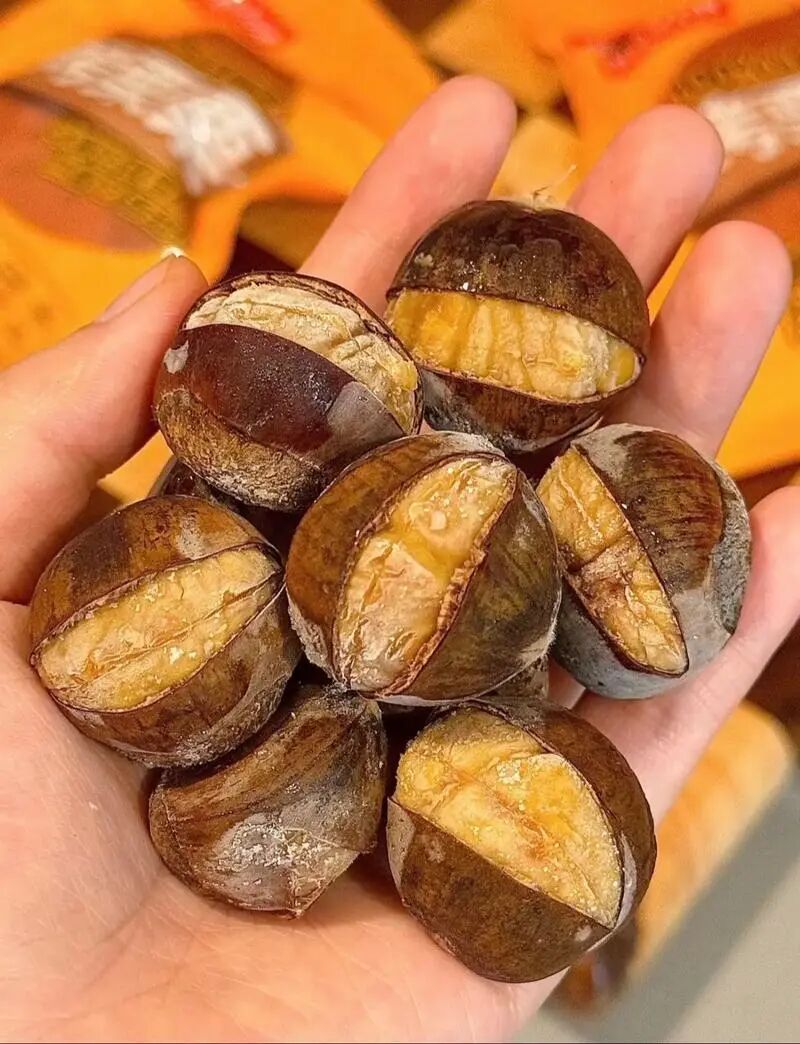
冰栗子

Search documents
准备过年的年轻人,快被高端炒货吓哭了
36氪· 2026-01-16 14:41
Core Viewpoint - The article discusses the transformation of traditional snack brands, particularly high-end roasted seeds and nuts, into luxury products, highlighting the impact on consumer spending and market dynamics [4][25][70]. Group 1: Market Dynamics - The average transaction price for high-end roasted snacks reached 68.3 yuan, a year-on-year increase of 14.7% [24]. - The market for high-end roasted snacks is rapidly growing, with projections indicating that the snack industry in China will approach 1.4 trillion yuan by 2024, with high-end roasted snacks gaining a larger market share [37]. - Brands like Xueji and Qiwang have expanded significantly, with Xueji opening over 1,000 stores and Qiwang exceeding 760 stores, indicating a strong growth trend [12][33]. Group 2: Brand Strategies - Xueji's transformation from a street vendor to a high-end store was facilitated by a 600 million yuan Series A financing round, which allowed for rapid expansion and a focus on high-margin products [30][31]. - Both Xueji and Qiwang have adopted premium pricing strategies, with products like Qiwang's nuts priced above 100 yuan per kilogram, reflecting a shift towards luxury branding [34][36]. - The brands utilize "atmosphere marketing" and "source tracing" to enhance perceived value, with Xueji emphasizing high-quality ingredients from specific regions [43][49]. Group 3: Consumer Behavior - Young consumers, despite having higher incomes, are increasingly cautious about spending on snacks, with many expressing disbelief at the high prices of roasted seeds and nuts [17][21]. - The article notes a shift in consumer perception, where traditional snacks are now viewed as luxury items, leading to a change in purchasing behavior during festive seasons [15][61]. - The high-end positioning of these brands appeals to middle-class consumers who seek to showcase their status through premium purchases, while budget brands target price-sensitive consumers [60][64]. Group 4: Competitive Landscape - The article contrasts high-end brands like Xueji with budget-friendly options that focus on low prices and high volume sales, highlighting the different strategies employed to capture market segments [58][66]. - Xueji's high-cost structure necessitates a focus on premium products, while budget brands benefit from lower operational costs and a focus on community-based sales [69][70]. - Both strategies have proven successful, but they face inherent risks, such as potential consumer fatigue with high prices or increased competition in the budget segment [70][71].

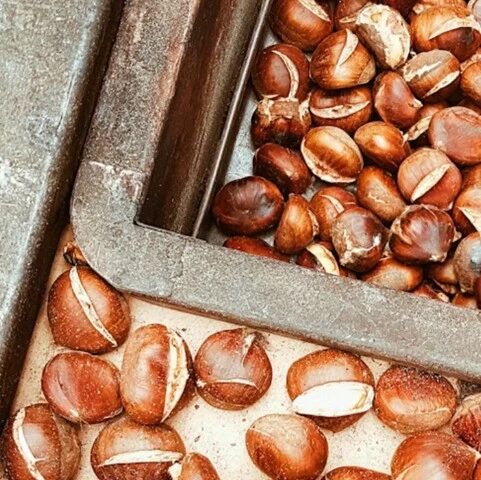
准备过年的年轻人,快被高端炒货吓哭了
3 6 Ke· 2026-01-14 10:39
Core Viewpoint - The rise of high-end snack brands, particularly in the nut and seed sector, has transformed traditional low-cost snacks into luxury items, significantly impacting consumer spending habits and market dynamics [12][18][41]. Group 1: Market Dynamics - The average transaction price for high-end snack products reached 68.3 yuan, a year-on-year increase of 14.7% [12]. - The market for high-end snacks is rapidly growing, with projections indicating that the overall snack market in China will approach 1.4 trillion yuan by 2024, with high-end snacks capturing an increasing share [18]. - Brands like Xueji and Qiwang have transitioned from street vendors to high-end retail, with Xueji's expansion to over 1,000 stores and Qiwang exceeding 760 stores [6][16]. Group 2: Consumer Behavior - Young consumers, previously believing that a monthly income of over 10,000 yuan would allow for snack freedom, are now finding high-end snacks unaffordable [8][10]. - The perception of snacks has shifted, with traditional items like sunflower seeds and peanuts now viewed as luxury goods, leading to a change in purchasing behavior [8][12]. - Consumers are increasingly sensitive to pricing, with many expressing reluctance to disclose their snack purchases due to high costs [10][12]. Group 3: Brand Strategies - High-end snack brands employ strategies such as upgrading store environments and emphasizing product quality through sourcing claims to justify higher prices [22][25]. - Xueji's marketing focuses on creating an inviting atmosphere and offering product samples to enhance consumer experience and perceived value [22][24]. - Both Xueji and Qiwang have adopted a strategy of sourcing premium ingredients and utilizing unique cooking methods to differentiate their products [25][27]. Group 4: Competitive Landscape - The market features a dichotomy between high-end brands like Xueji and Qiwang and budget-friendly options like Haoxianglai and Zhaoyiming, which cater to different consumer segments [28][39]. - High-end brands rely on high margins from premium products, while budget brands focus on volume sales through low pricing strategies [31][39]. - The contrasting business models highlight the diverse consumer needs in the snack market, with both segments thriving simultaneously [29][33].

炒货刺客,在山姆跌了一跤
3 6 Ke· 2025-11-27 10:19
Core Viewpoint - The recent controversy surrounding Sam's Club's introduction of Xueji snacks, specifically roasted chestnuts and sweet potatoes, highlights the tension between premium pricing and consumer expectations for value in the snack industry [1][3][19] Company Overview - Xueji Snacks began as a small stall in Jinan, Shandong in 1992 and has evolved into a national brand with over 1200 stores, focusing on high-quality snacks [4][9] - The brand has gained significant attention and investment, securing 600 million yuan in Series A funding in 2022, with plans to expand to 4000 stores within five years [9][19] Product Strategy - Xueji's product offerings include traditional snacks like sunflower seeds and peanuts, as well as innovative items like milk dates and fruit snacks, catering to changing consumer preferences for health and quality [4][6] - The company emphasizes freshness and quality, sourcing ingredients from key regions and employing advanced processing techniques [6][9] Market Trends - The Chinese snack market is projected to reach approximately 1.4 trillion yuan in 2024, with a growth rate of 5.3%, indicating a robust demand for premium snacks [6][9] - Despite the growth potential, the industry faces challenges as consumer preferences shift towards value and quality, leading to a decline in sales for some high-priced brands [10][19] Consumer Sentiment - There is a polarized consumer response to Xueji's pricing strategy, with some praising the quality and affordability compared to traditional stores, while others criticize the high prices and perceived decline in product quality [3][11][19] - Concerns have been raised about the use of additives in some products, leading to negative perceptions among health-conscious consumers [11][12] Competitive Landscape - Xueji faces increasing competition from other snack brands that emphasize freshness and quality, which may dilute its core advantage [12][19] - The brand's expansion strategy includes opening up to franchise opportunities and enhancing its online presence to reach a broader audience [16][18] Financial Performance - Xueji's store expansion has not met initial targets, with only 736 stores opened by the end of 2022, and fewer than 200 new stores added in 2023 [14][19] - Other premium snack brands, such as Liangpinpuzi and Three Squirrels, are also experiencing revenue declines, indicating a broader trend in the high-end snack market [14][19]