高端炒货

Search documents
毛利50%,越贵越火,“薛记炒货们”背刺打工人?
凤凰网财经· 2026-03-06 13:15
Core Viewpoint - The high-end snack market, particularly the roasted seeds and nuts segment, is experiencing significant growth despite challenges faced by other premium food brands. Brands like Xueji and Qiwang are thriving with high prices and unique marketing strategies, attracting younger consumers willing to pay premium prices for perceived quality and experience [3][4][20]. Group 1: Market Dynamics - The emergence of high-end roasted snack brands has led to a competitive landscape, with Xueji, Qiwang, and Guoliyuan being the leading players, boasting store counts of 1171, 531, and 64 respectively [3][4]. - The pricing strategy for these snacks has shifted, with products like pine nuts priced at 218 yuan per kilogram, highlighting the sensitivity of consumers to cost per gram [4][10]. - The marketing tactics employed by these brands include aggressive in-store promotions and a focus on customer experience, akin to jewelry stores, which has proven effective in driving sales [5][7]. Group 2: Consumer Behavior - Consumers are increasingly aware of pricing, often feeling shocked by the final bill after purchasing snacks, leading to a perception of these stores as "snack assassins" [10][17]. - The sales approach involves a high level of engagement from staff, who are incentivized through a commission-based salary structure, creating a pressure-filled shopping environment [5][6]. - The trend of high prices has not deterred consumers; instead, it has created a perception of luxury and exclusivity around these products [4][20]. Group 3: Financial Performance - Xueji's gross margin is reported to be around 50%, significantly higher than competitors like Qiaqia and Three Squirrels, which have margins of 20% to 30% [15]. - The financial backing for these brands is substantial, with Xueji securing 600 million yuan in Series A funding, which has facilitated its expansion into prime retail locations [13][19]. - Despite the growth, the market is becoming saturated, and the rapid replication of successful products poses a risk to maintaining unique brand identities [16][20]. Group 4: Future Outlook - The high-end snack market is facing challenges from increased competition and market saturation, with brands struggling to maintain growth rates [18][20]. - Xueji is exploring new growth avenues, including e-commerce, but faces challenges in adapting to a digital marketplace dominated by established players [19][20]. - The future of high-end snack brands may hinge on their ability to innovate and differentiate in a crowded market, as consumer expectations evolve towards value and quality [20].

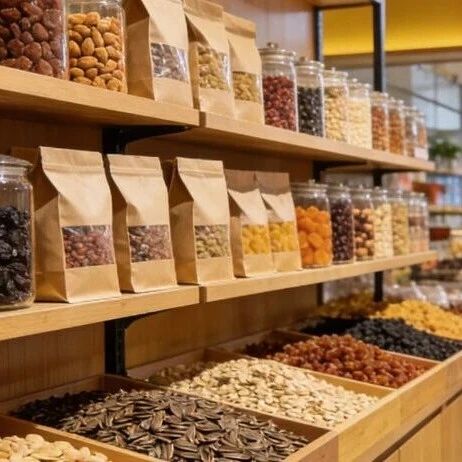
猛涨至200元1斤,薛记炒货凭啥这么贵?
Sou Hu Cai Jing· 2026-02-03 08:37
Core Viewpoint - The rising prices of high-end snack products, particularly in the nut and seed sector, have sparked consumer reactions and discussions about the value and pricing strategies of brands like Xueji [2][4]. Group 1: Pricing Trends - Xueji's products, such as cashews priced at 98 yuan per jin and pine nuts at 218 yuan per jin, have led to social media backlash, with consumers sharing experiences of unexpectedly high bills [2]. - The average customer spending on high-end snack products reached 68.3 yuan in 2024, reflecting a year-on-year increase of 14.7% [3]. Group 2: Reasons for High Pricing - Xueji attributes its high prices to the trendy nature of its products, including dairy snacks and freshly roasted nuts, which have a higher pricing power compared to traditional snacks [4]. - The brand emphasizes sourcing raw materials from premium regions, such as sunflower seeds from Keketohai in Xinjiang and chestnuts from the Yanshan Mountains, which supports its premium pricing strategy [4]. - The operational costs, including rent and labor in commercial areas, contribute to the overall pricing of these high-end snacks, especially during peak demand periods like the Spring Festival [4]. Group 3: Market Challenges - The business model of high-end snack brands faces challenges from bulk snack giants that offer lower-priced alternatives, as well as from e-commerce platforms that provide imitations at reduced prices [5]. - Xueji's founder acknowledged a decline in performance in early 2024, indicating that the brand is experiencing difficulties in maintaining its market position amid changing consumer behaviors [5]. - As consumer sentiment shifts towards cost-effectiveness, the sustainability of high pricing based on product origin and craftsmanship is questioned [5].
薛记珠宝VS琦王金铺 高端炒货成“轻奢”
Mei Ri Shang Bao· 2026-02-02 23:24
Core Insights - The high-end snack market, particularly for nuts, is experiencing significant price increases, leading to consumer backlash on social media [1][2] - The trend of premiumization in the nut snack sector is evident, with brands like Xueji and Qiwang positioning themselves as luxury products [2][3] Pricing and Consumer Sentiment - Consumers are expressing frustration over high prices, with products like Hawaiian nuts priced at 185 yuan and hand-peeled pine nuts at 218 yuan per 500 grams [2] - Comparatively, mainstream brands offer more affordable options, such as a box of cashews for 40.9 yuan, highlighting the price disparity [2] Brand Positioning and Costs - Xueji and Qiwang emphasize high-quality ingredients and artisanal production methods, which contribute to their higher pricing [3] - The brands invest heavily in packaging and marketing to position their products as premium, with significant costs associated with store rent and employee salaries [3] Market Expansion and Challenges - Despite expanding store counts, the pace of new openings for Xueji and Qiwang is slowing, indicating potential challenges in maintaining consumer interest [4] - The perception of freshness associated with "freshly roasted" products is being questioned, as only a limited range of items are actually prepared on-site [4] Consumer Trends and Market Growth - Nuts have become a staple in Chinese New Year celebrations, with nut gift boxes dominating the market, accounting for 42.3% of new year gift purchases [5] - The nut snack market in China is projected to grow from over 300 billion yuan in 2024 to 428.3 billion yuan by 2029, indicating a substantial market expansion [6]
准备过年的年轻人,快被高端炒货吓哭了
36氪· 2026-01-16 14:41
Core Viewpoint - The article discusses the transformation of traditional snack brands, particularly high-end roasted seeds and nuts, into luxury products, highlighting the impact on consumer spending and market dynamics [4][25][70]. Group 1: Market Dynamics - The average transaction price for high-end roasted snacks reached 68.3 yuan, a year-on-year increase of 14.7% [24]. - The market for high-end roasted snacks is rapidly growing, with projections indicating that the snack industry in China will approach 1.4 trillion yuan by 2024, with high-end roasted snacks gaining a larger market share [37]. - Brands like Xueji and Qiwang have expanded significantly, with Xueji opening over 1,000 stores and Qiwang exceeding 760 stores, indicating a strong growth trend [12][33]. Group 2: Brand Strategies - Xueji's transformation from a street vendor to a high-end store was facilitated by a 600 million yuan Series A financing round, which allowed for rapid expansion and a focus on high-margin products [30][31]. - Both Xueji and Qiwang have adopted premium pricing strategies, with products like Qiwang's nuts priced above 100 yuan per kilogram, reflecting a shift towards luxury branding [34][36]. - The brands utilize "atmosphere marketing" and "source tracing" to enhance perceived value, with Xueji emphasizing high-quality ingredients from specific regions [43][49]. Group 3: Consumer Behavior - Young consumers, despite having higher incomes, are increasingly cautious about spending on snacks, with many expressing disbelief at the high prices of roasted seeds and nuts [17][21]. - The article notes a shift in consumer perception, where traditional snacks are now viewed as luxury items, leading to a change in purchasing behavior during festive seasons [15][61]. - The high-end positioning of these brands appeals to middle-class consumers who seek to showcase their status through premium purchases, while budget brands target price-sensitive consumers [60][64]. Group 4: Competitive Landscape - The article contrasts high-end brands like Xueji with budget-friendly options that focus on low prices and high volume sales, highlighting the different strategies employed to capture market segments [58][66]. - Xueji's high-cost structure necessitates a focus on premium products, while budget brands benefit from lower operational costs and a focus on community-based sales [69][70]. - Both strategies have proven successful, but they face inherent risks, such as potential consumer fatigue with high prices or increased competition in the budget segment [70][71].
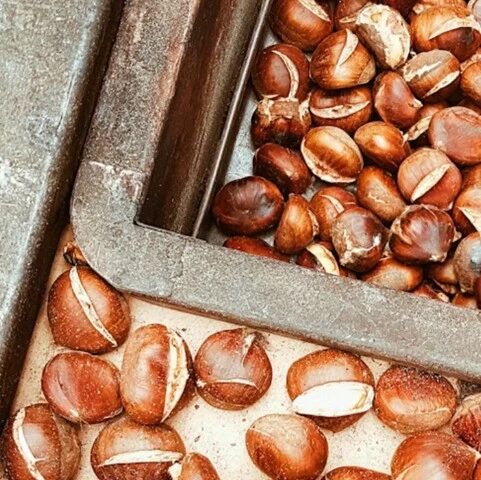
准备过年的年轻人,快被高端炒货吓哭了
3 6 Ke· 2026-01-14 10:39
Core Viewpoint - The rise of high-end snack brands, particularly in the nut and seed sector, has transformed traditional low-cost snacks into luxury items, significantly impacting consumer spending habits and market dynamics [12][18][41]. Group 1: Market Dynamics - The average transaction price for high-end snack products reached 68.3 yuan, a year-on-year increase of 14.7% [12]. - The market for high-end snacks is rapidly growing, with projections indicating that the overall snack market in China will approach 1.4 trillion yuan by 2024, with high-end snacks capturing an increasing share [18]. - Brands like Xueji and Qiwang have transitioned from street vendors to high-end retail, with Xueji's expansion to over 1,000 stores and Qiwang exceeding 760 stores [6][16]. Group 2: Consumer Behavior - Young consumers, previously believing that a monthly income of over 10,000 yuan would allow for snack freedom, are now finding high-end snacks unaffordable [8][10]. - The perception of snacks has shifted, with traditional items like sunflower seeds and peanuts now viewed as luxury goods, leading to a change in purchasing behavior [8][12]. - Consumers are increasingly sensitive to pricing, with many expressing reluctance to disclose their snack purchases due to high costs [10][12]. Group 3: Brand Strategies - High-end snack brands employ strategies such as upgrading store environments and emphasizing product quality through sourcing claims to justify higher prices [22][25]. - Xueji's marketing focuses on creating an inviting atmosphere and offering product samples to enhance consumer experience and perceived value [22][24]. - Both Xueji and Qiwang have adopted a strategy of sourcing premium ingredients and utilizing unique cooking methods to differentiate their products [25][27]. Group 4: Competitive Landscape - The market features a dichotomy between high-end brands like Xueji and Qiwang and budget-friendly options like Haoxianglai and Zhaoyiming, which cater to different consumer segments [28][39]. - High-end brands rely on high margins from premium products, while budget brands focus on volume sales through low pricing strategies [31][39]. - The contrasting business models highlight the diverse consumer needs in the snack market, with both segments thriving simultaneously [29][33].