
冰雕技艺

Search documents
今冬我国冰雪旅游休闲人数将达3.6亿人次
Xin Lang Cai Jing· 2026-01-09 18:42
Core Insights - China's ice and snow tourism is entering a new phase of sustained prosperity, with projected leisure participants reaching 360 million and expected revenue of 450 billion yuan for the winter season of 2025-2026 [1] - The market is shifting from attracting visitors through resources to retaining them with warm services, with significant commercial value being released from ice and snow IPs [1] - Consumer confidence indicates substantial growth potential, with 74.8% of respondents interested in ice and snow leisure activities and 50.5% planning long-distance trips [1] Investment Landscape - A new investment pattern has emerged in China's ice and snow tourism, characterized by "south-north resonance, central rise, and east-west collaboration," with South China leading in investment at 30% [2] - The indoor ice and snow theme complexes are the most active investment category, enabling year-round ice and snow consumption [2] - The ice and snow economy is projected to exceed 1 trillion yuan by 2025, with over 14,000 related enterprises in the country, reflecting an 11% year-on-year growth [2] Industry Development - The ice and snow tourism sector has developed a comprehensive industrial chain encompassing culture, sports, and equipment [2] - Domestic ice and snow equipment, such as skis and snow wax cars, are increasingly being exported through cross-border e-commerce, indicating a shift from attracting global attention to deepening international connections [2]
“冷资源”迸发“热动能” 冰雪季成为经济增长“黄金季”
Yang Shi Wang· 2026-01-09 04:07
Group 1 - The core viewpoint of the report is that China's ice and snow tourism is expected to reach 360 million visits during the winter season of 2025-2026, indicating a significant growth in this sector [1] - The report highlights a notable upgrade in ice and snow tourism consumption, with increasing enthusiasm for ice and snow activities, making it a new hotspot in service consumption [3] - A new pattern of "north-south resonance, central rise, and east-west collaboration" has emerged in China's ice and snow tourism landscape, with indoor ice and snow theme complexes being the most active investment category [4][7] Group 2 - Ice and snow tourism has strong social attributes, with 37.51% of respondents traveling with friends and 39.56% participating in family and child ice and snow tourism, indicating a rising trend in repeat consumption [8] - The integration of cultural tourism and technological innovation continues to expand the boundaries of the ice and snow economy, leading to the formation of a comprehensive industrial chain driven by ice and snow tourism [10] - The deep integration of ice and snow culture and tourism is evident, with popular cultural elements such as ice sculpture skills and snow photography becoming key attractions, transforming short-term tourism experiences into lasting brand assets [12]

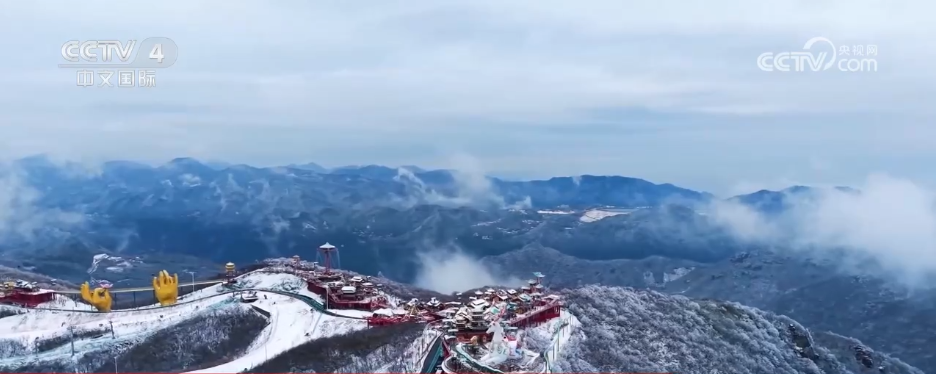
中国旅游研究院发布报告 预计3.6亿人次共赴今冬“冰雪之约”
Xin Hua She· 2026-01-05 11:55
Group 1 - The core viewpoint of the articles is that China's ice and snow tourism is entering a new stage of sustained prosperity, with significant growth expected in both visitor numbers and revenue during the 2025-2026 winter season [1][2] - It is projected that the number of ice and snow tourism leisure participants will reach 360 million, with expected revenue of 450 billion yuan [1] - Northern cities like Harbin, Shenyang, Changchun, and Zhangjiakou are transitioning from attracting visitors through resources to retaining them through warm services, enhancing the overall tourism experience [1] Group 2 - The report indicates a new pattern in China's ice and snow tourism, characterized by "south-north resonance, central rise, and east-west collaboration," with South China leading in investment [2] - In 2025, South China is expected to account for 30% of the investment, totaling approximately 30 billion yuan, with indoor ice and snow theme complexes being the most active investment category [2] - The ice and snow economy is projected to exceed 1 trillion yuan by 2025, with over 14,000 related enterprises in the country, reflecting an annual growth rate of 11% [2]