创意服务

Search documents
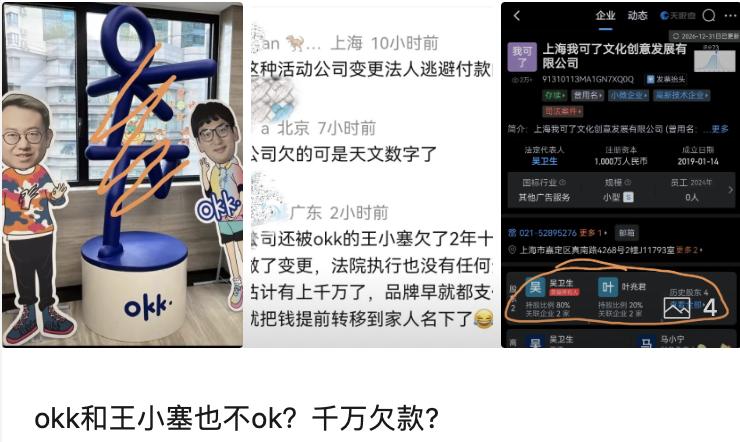
okk.被曝欠款千万,属于「创意热店」的黄金时代或将终结?
3 6 Ke· 2026-01-16 12:30
Core Viewpoint - The recent financial troubles of the creative consulting firm okk., including a debt of tens of millions and significant changes in its shareholder structure, reflect a broader decline in the "creative hot shop" industry, raising concerns about its future viability [1][5][22]. Group 1: Company Overview - okk. has been reported to owe tens of millions, with its founders and key shareholders, Lin Yue and Wang Xiaosai, having exited the company [1][5]. - The departure of these key figures is seen as a sign of the diminishing status of "creative hot shops," leading to pessimistic views about the industry's future [5][22]. Group 2: Historical Context - The "creative hot shop" model emerged in the 1980s as a response to the bureaucratic nature of traditional advertising, with founders seeking more creative freedom [6][8]. - Notable examples include Leagas Delaney in the UK and Wieden+Kennedy in the US, both of which were founded by individuals disillusioned with traditional advertising practices [6][8]. Group 3: Industry Evolution - The rise of "creative hot shops" was driven by brands seeking differentiation and impactful creative services, leading to a shift away from standardized advertising outputs [8][12]. - The success of these firms often relied on deep partnerships with a few key clients, allowing for mutual growth and innovation [14][22]. Group 4: Current Challenges - The industry is facing pressures from economic fluctuations, with brands becoming more cautious in their spending, which impacts the project-based revenue model of "creative hot shops" [22][26]. - The rapid evolution of media and technology, particularly the rise of AI, is challenging the traditional advantages of these firms in creative production and efficiency [26][28]. Group 5: Future Prospects - There is a growing consensus that the next golden age for "creative hot shops" may hinge on their ability to adapt to AI technologies, which can enhance creative processes and efficiency [28][29]. - Successful adaptation involves leveraging AI for insights and content generation while maintaining the core creative vision driven by human insight [28].

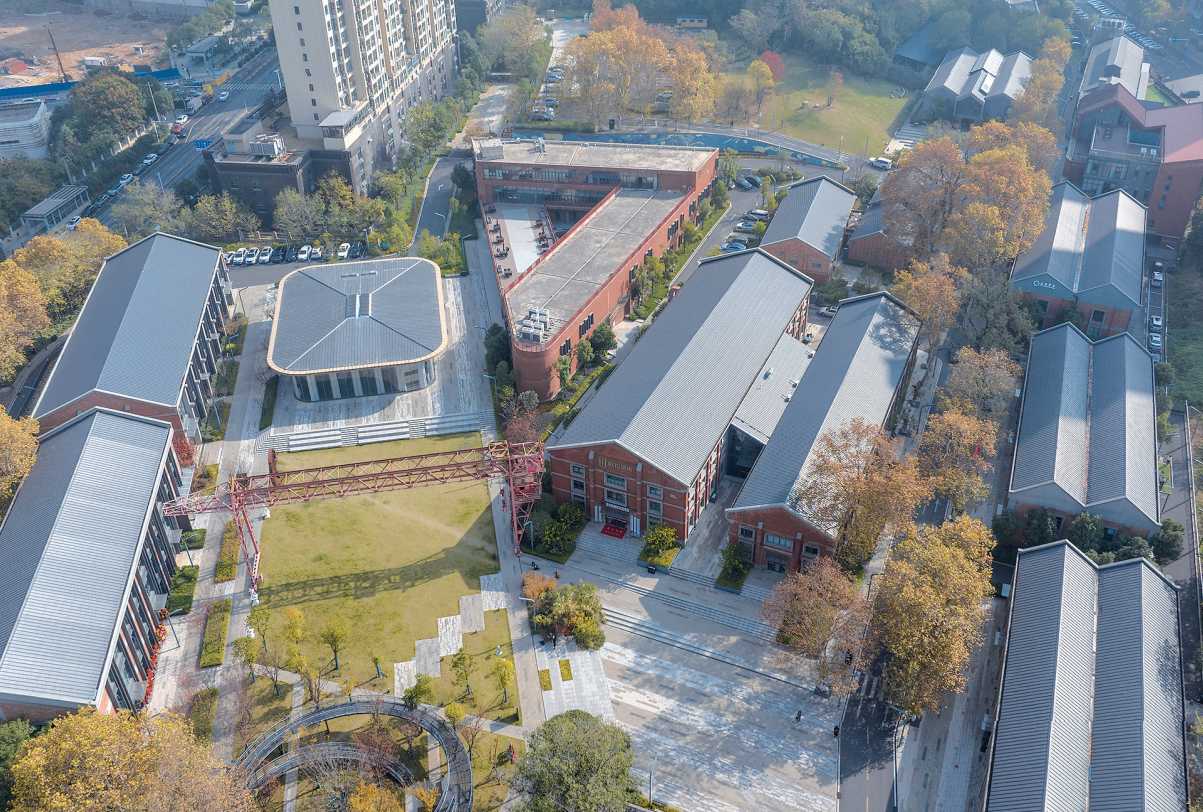
武汉这个公园纳税超13亿元
Chang Jiang Ri Bao· 2025-10-28 00:31
Core Insights - The transformation of the former industrial base into the Huazhong Xiaogui Mountain Financial Culture Park has successfully attracted over 80 financial institutions since its opening in October 2021, generating more than 1.3 billion yuan in tax revenue [4][6] - The park's development aligns with the broader urban planning goals of Wuchang District, aiming to establish a regional financial center [6][7] Group 1: Transformation and Development - The park was established on the site of a former equipment manufacturing base for China Electric Power Construction Corporation, which was operational in the 1970s [4][5] - The decision to transform the old industrial site was made in response to urban development needs, with a focus on creating a high-end capital financial park rather than engaging in real estate [5][6] - The establishment of the Shanghai Stock Exchange Central Base in the park has significantly boosted confidence in its transformation, leading to a near 90% occupancy rate within six months [6][7] Group 2: Urban Renewal and Economic Impact - The Huazhong Xiaogui Mountain Financial Culture Park is part of a larger trend in Wuhan, where multiple old industrial sites are being repurposed into new economic hubs, such as the Hanjiang Bay Artificial Intelligence Industrial Park and the Red T Fashion Industrial Park [8][9] - The city's approach to urban renewal emphasizes the importance of preserving historical industrial sites while enhancing their economic value, contributing to the overall improvement of urban quality and structure [10][12] - The park not only serves as a financial hub but also as a recreational area for local residents, showcasing the dual benefits of urban renewal projects [7][9]