创意产业

Search documents
佛山创意产业园:打造“25H快乐智造厂”,探索多元消费场景
2 1 Shi Ji Jing Ji Bao Dao· 2026-02-25 09:14
Core Insights - The article emphasizes the importance of the synergy between manufacturing and service industries, highlighting that lifestyle services can enhance consumer experiences and support manufacturing by providing product displays and brand promotion [1] Group 1: Industry Trends - The current consumer trend is shifting from material-based consumption to spiritual and experiential consumption, with emotional and experiential economies becoming new focal points [2] - The "25H Happy Manufacturing Factory" is positioned as a key initiative to create immersive and diverse consumer experiences, thereby enhancing the quality and expansion of the service industry [2] Group 2: Strategic Initiatives - The creative industrial park plans to implement four major initiatives by 2026: 1. Upgrade the "25H Birthday Hall" with over 5,000 planned events to stimulate consumer engagement [2] 2. Revitalize the "Foshan Kung Fu Night Market" with over 600 food vendors, blending local and global flavors to establish a new nighttime consumption landmark [2] 3. Enhance online traffic and live e-commerce, exploring a new model of "offline scenarios + online traffic" to inject digital vitality into the commercial area [2] 4. Promote organizational reform through a "25-hour open lifelong learning university" model to improve responsiveness [2] Group 3: Future Outlook - The creative industrial park aims to leverage new technologies such as new media and AI to keep pace with consumer upgrade trends, providing high-quality spiritual consumption experiences while broadening brand exposure and market channels for Foshan manufacturing [2]
英中贸易协会总裁白彼得:英首相时隔8年再度访华,商界看好前沿领域合作前景
21世纪经济报道· 2026-02-03 08:46
Group 1 - The visit of UK Prime Minister Starmer to China marks the first visit by a UK Prime Minister in eight years, symbolizing a significant step in bilateral relations and cooperation [1][2][3] - The delegation included over 60 executives from various sectors such as finance, pharmaceuticals, automotive, energy, and cultural industries, indicating a broad interest in enhancing trade and investment [1][4] - The visit aims to alleviate market friction and expand cooperation, with a focus on supporting business growth as a core element of the economic strategies of both countries [2][3] Group 2 - The UK sees China as its third-largest trading partner, highlighting the importance of this bilateral relationship and the potential for increased trade and investment [3][5] - The service sector is identified as having significant growth potential, particularly in financial services, creative industries, and sports, which are crucial for both economies [5][6] - China's rapid advancements in technology, particularly in battery technology, electric vehicles, and artificial intelligence, present opportunities for collaboration, with the UK encouraged to adopt an open attitude towards these developments [7][8] Group 3 - The alignment of China's "14th Five-Year Plan" with the UK's modern industrial strategy suggests a high degree of complementarity, with approximately 65% overlap in key development areas [8][9] - Both countries are expected to benefit from joint efforts in technology advancement and enhancing the levels of manufacturing and services, which could lead to substantial economic growth [9]


专访英中贸易协会总裁白彼得:英首相时隔8年再度访华 商界看好前沿领域合作前景
2 1 Shi Ji Jing Ji Bao Dao· 2026-02-02 23:04
Group 1 - The visit of UK Prime Minister Starmer to China marks the first visit by a UK Prime Minister in eight years, indicating a significant diplomatic engagement between the two nations [1][3] - The delegation led by Starmer includes over 60 executives from various sectors such as finance, pharmaceuticals, automotive, energy, and cultural industries, highlighting the diverse areas of potential collaboration [1][4] - The visit aims to alleviate market friction and expand cooperation, with a focus on mutual economic growth and prosperity, which is central to the economic strategies of both countries [2][3] Group 2 - China is the UK's third-largest trading partner, and the visit is expected to enhance bilateral trade and investment, particularly in sectors where both countries have shared interests [2][3] - The service industry, including financial services, creative industries, and sports, is identified as having significant growth potential, with both countries encouraged to strengthen cooperation in these areas [6][7] - China's rapid advancements in technology, particularly in battery technology, electric vehicles, and artificial intelligence, present opportunities for UK businesses to engage with and invest in these sectors [8]
专访英中贸易协会总裁:英首相时隔8年再度访华给商界吃下定心丸
21世纪经济报道· 2026-01-31 13:19
Group 1 - The core viewpoint of the article emphasizes the significance of UK Prime Minister Starmer's visit to China, marking the first visit by a UK Prime Minister in eight years, which symbolizes a potential thaw in relations and opportunities for economic cooperation [1][2][4] - The visit included a high-level delegation of over 60 representatives from various sectors such as finance, pharmaceuticals, automotive, energy, and cultural industries, indicating a broad interest in enhancing bilateral trade and investment [1][5] - The UK-China trade relationship is highlighted as crucial, with China being the UK's third-largest trading partner, and there is an expectation for more frequent high-level interactions to stabilize policy expectations for businesses [2][4] Group 2 - The article discusses the potential for collaboration in advanced sectors such as battery technology, electric vehicles, and artificial intelligence, where China has made significant advancements, suggesting that the UK should adopt an open attitude towards these innovations [2][10] - The service industry is identified as having substantial growth potential, particularly in financial services, creative industries, and sports, which aligns with China's focus on service sector growth in its 14th Five-Year Plan [7][9] - The article notes a structural shift in investment strategies, with both Chinese and UK companies moving towards more integrated operations in each other's markets, including local employment and manufacturing [8][10]

中英签署多项经贸成果文件,进一步深化中英经贸关系
Xin Lang Cai Jing· 2026-01-30 12:26
Group 1 - The core viewpoint of the news is that during UK Prime Minister Starmer's visit to China, multiple cooperation documents were signed to deepen economic and trade relations between China and the UK [1][2] - The "Export to China" cooperation memorandum was signed, making the UK the first country to sign this memorandum since the launch of the "Shared Big Market · Export to China" initiative, aiming to enhance trade facilitation and promote healthy trade development [1] - The UK is the world's second-largest service exporter, and the signing of two memorandums regarding the feasibility study of a service trade agreement and the establishment of a bilateral service partnership aims to deepen cooperation in various sectors, including creative industries, professional services, financial services, and healthcare [2] Group 2 - The memorandum to strengthen the work of the China-UK Economic and Trade Joint Committee aims to solidify its role as a platform for policy dialogue and trade investment promotion, enhancing interaction between the committee and the China-UK Entrepreneurs Committee [2]
欧洲领导人排队访华,英国期望“一起干事儿”
Di Yi Cai Jing· 2026-01-28 13:28
Group 1 - The visit of UK Prime Minister Starmer to China marks the first official visit by a UK Prime Minister in eight years, with a large delegation of over 50 executives from major UK companies [1][2] - The visit aims to enhance bilateral relations through stable cooperation and pragmatic actions, focusing on establishing structured dialogue mechanisms and achieving concrete business outcomes [1][2] - The UK government expresses a desire for a consistent and long-term relationship with China, moving away from previous volatility, and emphasizes the importance of high-level interactions [3][4] Group 2 - The UK and China are significant economic partners, with bilateral trade expected to reach $103.7 billion by 2025, and service trade projected to exceed $30 billion [5] - There is a strong emphasis on expanding cooperation in various sectors, including green energy, healthcare, creative industries, and smart manufacturing, to create new growth points in bilateral trade [4][6] - The UK aims to encourage small and medium-sized enterprises to explore the Chinese market, aligning with China's policies to boost consumption and imports [5][6] Group 3 - The recent wave of European leaders visiting China indicates a strategic shift in international relations, with Europe seeking to redefine its position in a multipolar world [7][8] - The UK government acknowledges the importance of engaging with China, viewing it as a critical market for global enterprises, and aims to avoid a binary choice between the US and China [8] - Strengthening UK-China economic cooperation is seen as a way to mitigate the negative impacts of US protectionist policies and enhance global economic stability [8]
21书评|创意经济“出海”:需有针对性突破贸易壁垒
2 1 Shi Ji Jing Ji Bao Dao· 2026-01-12 08:05
Core Insights - The creative economy has become a significant driver of global economic growth, accounting for 6.8% of global economic value added, with notable performance in countries like the UK, US, and South Korea [1][5] - China's creative industry is rapidly expanding in international markets, facing challenges in statistics, policy support, and data capabilities [1][5] Group 1: Growth of China's Creative Industry - China's cross-border trade in creative industries has shown strong growth, with the number of key cultural export enterprises increasing from 142 in 2007 to 404 by 2025, reflecting an annual growth rate of 12.1% [5] - The total value of China's cultural trade has surged from $16.64 billion in 2007 to approximately $194.33 billion by 2024, representing a growth of over ten times [5] - In 2024, China's cultural trade accounted for 19.4% of the global total, with an annual growth rate of 12.7% from 2007 to 2024, significantly surpassing the international average [5] Group 2: Digital Transformation and Investment - The integration of digital technology is driving the growth of China's creative industries, particularly in digital content and cultural technology sectors, with areas like animation, online literature, and digital film becoming investment hotspots [6] - The number of digital culture-related enterprises among key cultural export companies increased from 15 (10.6% of the total) in 2007 to 144 (35.6%) in 2025, highlighting the impact of digital technology on cultural trade [5][6] Group 3: Challenges and Barriers - China's creative industries face several barriers in the globalization process, including digital trade restrictions, cultural recognition differences, and conflicts in international regulations [6][7] - The debate over "cultural exception" within the WTO framework presents challenges, as countries like France advocate for protecting local cultures while the US supports free trade principles for digital cultural products [7] - To navigate these challenges, Chinese cultural enterprises are encouraged to develop comprehensive risk management systems, utilizing big data for real-time monitoring and analysis of investment environments [7] Group 4: Cultural Exchange and Development - High-quality development of cultural trade requires a balance between exports and imports, promoting both the outbound flow of Chinese culture and the import of foreign cultural products [8] - Significant progress has been made in China's cultural trade through top-level design, the establishment of cultural free trade zones, and interdisciplinary talent cultivation [8]
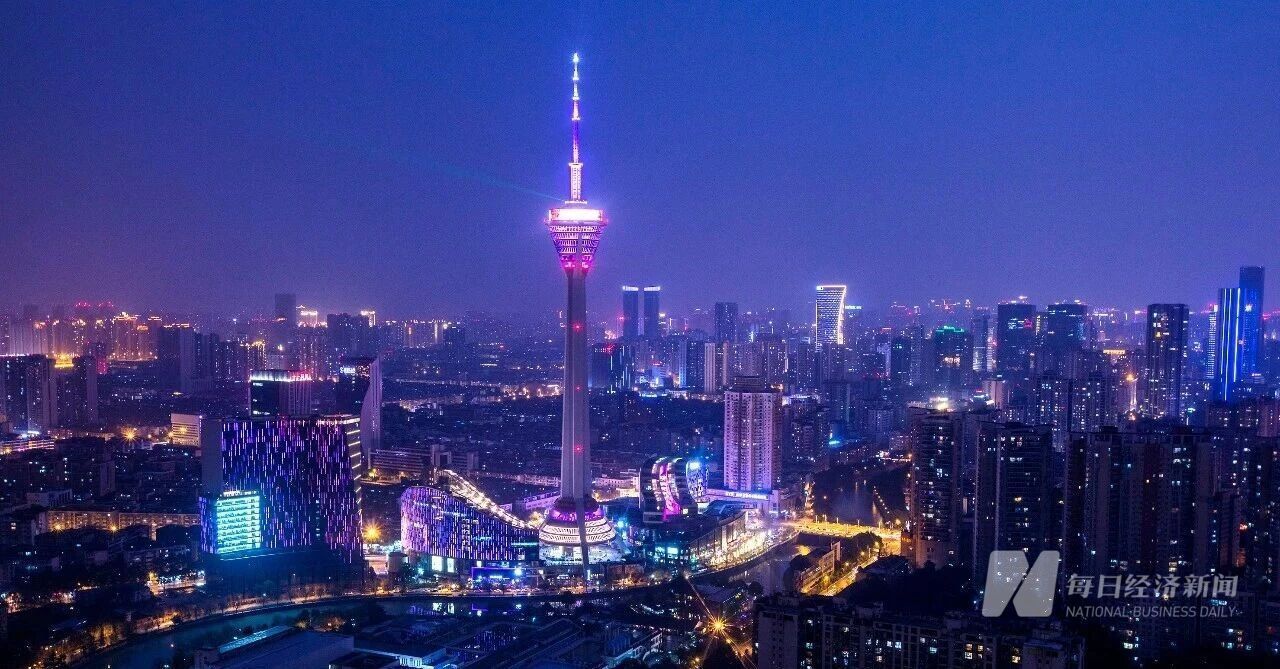
成都如何“触发”下一个文化创意浪潮?对话“世界创意经济之父”约翰·霍金斯
Mei Ri Jing Ji Xin Wen· 2025-12-24 14:03
Core Insights - The article discusses the evolution and significance of the creative economy, highlighting its role in urban development and economic transformation, particularly in cities like Chengdu and London [1][2][4]. Group 1: Historical Context and Development - In 1997, the UK government elevated the creative economy to a national strategic level, influenced by John Howkins, who is recognized as a pioneer in the field [1]. - By 2025, Chengdu aims to become a major cultural and digital creative industry hub, reflecting a broader trend among developed nations to explore new development models based on the creative economy [1]. - The creative economy has become a pillar industry in the UK, rivaling the financial services sector, and the UK is now the second-largest producer of creative products globally, following the US [1]. Group 2: Current Trends and Observations - John Howkins emphasizes that the creative economy plays an increasingly essential role in social and economic transformation, advocating for cities to focus on developing this sector to shift away from traditional growth models [2][7]. - The creative economy encompasses various sectors, including advertising, media, architecture, film, art, sports, and tourism, and is driven by individual creativity, skills, and intellectual property [3][5]. - The UK aims to grow its creative industry by £50 billion and create an additional 1 million jobs by 2030, indicating a strong commitment to expanding this sector [5]. Group 3: Future Directions and Implications - Howkins notes that the creative economy is evolving beyond cultural and creative industries to encompass the entire economic landscape, especially with the rise of technologies like AI and big data [5]. - The shift in urban development from linear growth to a model that emphasizes human-environment co-evolution reflects a more human-centered approach, which is crucial for fostering creativity and innovation [7]. - Cities must recognize the changing social and cultural environments and provide better support for creative individuals, including improved living conditions and legal frameworks [7].
专访“世界创意经济之父”:成都如何“触发”下一个文化创意浪潮?
Mei Ri Jing Ji Xin Wen· 2025-12-23 14:27
Core Insights - The concept of the creative economy was elevated to a national strategy in the UK under Prime Minister Tony Blair in 1997, influenced by John Howkins and his expert group [1] - By 2025, Chengdu aims to become a significant cultural and creative center, leveraging its young talent and favorable policies to enhance its creative industry [2] - John Howkins, known as the "father of the creative economy," emphasizes the importance of creative industries in urban economic transformation and sustainable development [4][12] Group 1: Creative Economy Development - The creative economy, which includes sectors like advertising, design, and media, is a major economic driver, contributing significantly to employment and GDP in cities like London [8] - In London, the creative industries provide over 1.1 million jobs and generate more than £50 billion annually, accounting for over 11% of the city's economy [8] - The growth rate of the creative industries from 2010 to 2023 has outpaced that of the overall UK economy, highlighting its role as a catalyst for urban development [8] Group 2: John Howkins' Contributions - John Howkins' book "Creative Economy," published in 2001, laid the foundation for understanding and categorizing creative industries, influencing global policy [4][10] - Howkins argues that a sustainable city must foster creativity, viewing the creative economy as a "trigger" for social and economic development [8][10] - His insights into the importance of intellectual property protection and creativity enhancement are crucial for cities competing in the modern economy [10] Group 3: Global Perspectives and Trends - Different countries define creative industries variably, but they all share a focus on cultural value addition [11] - The UK aims to grow its creative industry by £50 billion and create 1 million jobs by 2030, reflecting the sector's expanding influence beyond traditional cultural boundaries [12] - Howkins notes that advancements in AI and big data are further integrating creative economies into broader economic frameworks [12] Group 4: Human-Centric Development Paradigm - The shift in urban development from population growth to a model that emphasizes human and environmental co-evolution reflects a more humanistic approach [14] - Howkins believes that the creative economy is a new development paradigm that balances social, cultural, and economic growth [14] - Cities must provide better environments and legal frameworks to support creative talent, recognizing the intrinsic link between creativity and human needs [14]
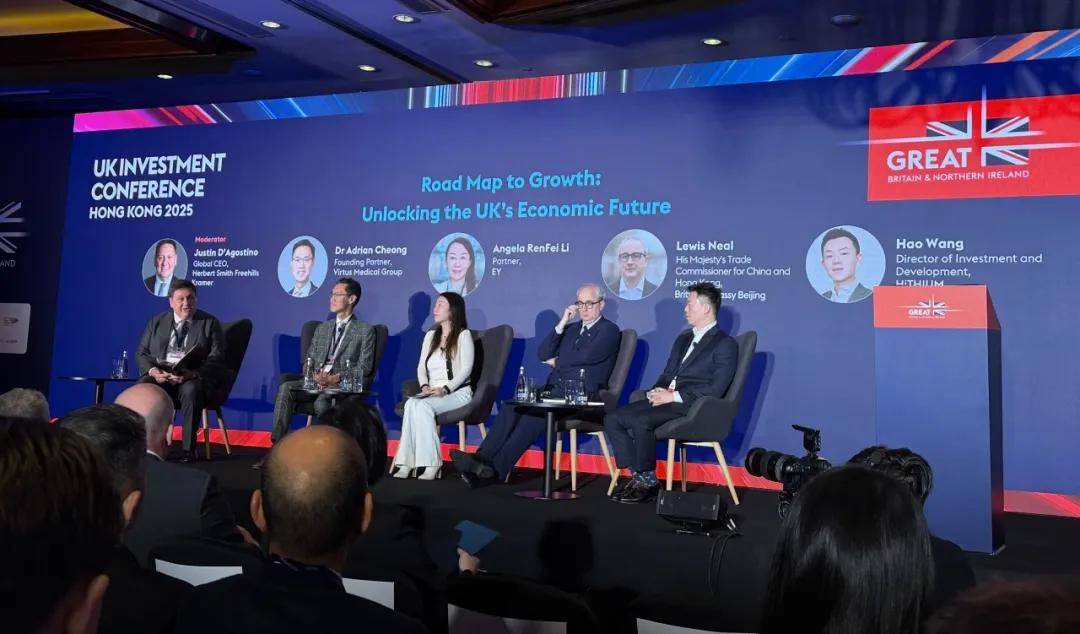
安永出席“投资英国会议2025”,共话中英投资新机遇
Sou Hu Cai Jing· 2025-12-18 10:06
Core Insights - The UK Investment Conference Hong Kong 2025 aimed to showcase the UK as a resilient investment destination and discuss the role of Hong Kong as a bridge for Sino-British investment dialogue [2][3] Group 1: Economic Cooperation - The economic structures of China and the UK are highly complementary, with bilateral trade remaining stable at around $100 billion annually and mutual investment stock exceeding $65 billion [3] - Despite global economic challenges, the trade and investment cooperation between the two countries demonstrates strong resilience and growth potential [3] Group 2: Investment Environment - The UK is committed to creating an open, stable, and innovative investment environment, focusing on eight key growth sectors: financial services, clean energy, technology, life sciences, advanced manufacturing, creative industries, green infrastructure, and professional services [4] - Since July 2024, the UK has successfully implemented investment projects worth over £100 billion, including a £7.3 billion national wealth fund, and plans to increase public R&D investment to £22.6 billion annually by 2029/30 [4] Group 3: Industry Focus - Chinese investors are increasingly focusing on sectors such as clean energy, electric vehicles, life sciences, and technological innovation, which are seen as core drivers of UK economic growth [5] - The integration of technology iteration and market application in high-growth sectors presents unique investment opportunities for forward-looking companies [5] Group 4: Hong Kong's Role - Hong Kong's role has evolved from being a "super connector" to a "value chain enhancer," leveraging its unique advantages under "one country, two systems" to support Chinese enterprises in entering the UK market [6] - The conference highlighted the importance of linking Hong Kong's gateway value with UK industrial opportunities, creating a comprehensive platform for cross-border investment [6] Group 5: Strategic Investment Approach - For Chinese investors, a professional and prudent approach is essential for forward-looking investments, emphasizing the need to understand local regulations and market dynamics [7] - Utilizing global networks of professional service firms like Ernst & Young can help manage various risks associated with cross-border investments, ensuring sustainable and high-quality development in the UK and European markets [7]