前沿模型

Search documents
Meta的AI新贵被曝与公司元老爆发冲突
Xin Lang Cai Jing· 2025-12-11 07:40
Core Insights - Meta is investing heavily in artificial intelligence, with CEO Mark Zuckerberg reportedly spending $14.3 billion to recruit Alexandr Wang, the founder of Scale AI, to lead a new AI initiative [1][4] - The new team, named TBD Labs, is designed to operate independently from Meta's bureaucratic structure, aiming to create advanced AI models to compete with OpenAI and Google [1][4] Group 1: Internal Conflicts - There are significant disagreements between Alexandr Wang and some of Zuckerberg's long-time executives, including Chief Product Officer Chris Cox and Chief Technology Officer Andrew Bosworth [2][5] - Cox and Bosworth prefer that Wang's team focus on using data from Instagram and Facebook to enhance Meta's new foundational AI model, referred to as the "frontier" model, to improve social media dynamics and advertising [2][5] - Wang opposes this approach, arguing that the priority should be to catch up with competitors like OpenAI and Google before focusing on product development [2][5][6] Group 2: Resource Allocation - To support the goals of TBD Labs, Meta is reallocating resources from other departments, including a proposed $2 billion budget cut from the Reality Labs division, which is overseen by Bosworth [3][6] - This budget reallocation indicates a strategic shift within Meta, prioritizing AI development over other projects [3][6]

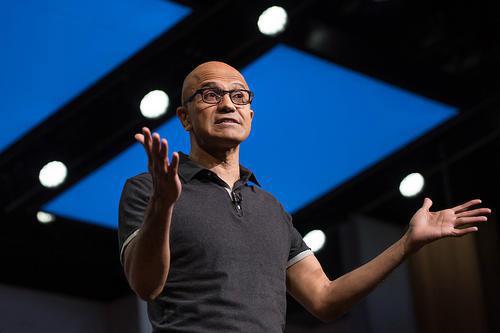
微软CEO称加大欧洲AI投资,强调数字主权新内涵
Xin Lang Ke Ji· 2025-12-02 10:52
Group 1 - Microsoft is increasingly viewing Europe as a core region for its artificial intelligence strategy, with significant investments planned in Germany and the EU [1] - The investments will focus on establishing local facilities in Europe rather than setting up AI factories or cloud centers in the US [1] - Digital sovereignty is emphasized as a critical consideration for countries, with nations seeking to ensure supply continuity and risk resilience [1] Group 2 - True digital sovereignty extends beyond infrastructure to include the development of proprietary AI bases and foundational models by local industries, such as German automotive manufacturers [1] - The US maintains a leading position in AI due to its innovative tech industry and trusted technological framework [1] - Countries that can effectively promote AI applications across various sectors, including economic development, healthcare, manufacturing, and education, are likely to emerge as winners in the AI competition [2]



微软CEO承诺加码欧盟AI投资 强调数字主权不止基建
Xin Lang Cai Jing· 2025-12-02 09:31
Core Insights - Microsoft is increasingly viewing Europe as a core region for its artificial intelligence strategy, with significant investments planned in Germany and the EU [2][5] - The investments will focus on establishing local facilities in Europe rather than in the US, emphasizing the importance of digital sovereignty for countries [2][5] - Digital sovereignty is not just about infrastructure but also about creating AI bases and models tailored to local industries, such as automotive and manufacturing in Germany [2][5] Investment Strategy - Microsoft is committing capital to high-risk investments in Europe, specifically targeting Germany and the broader EU [2][5] - The focus is on building physical entities within European countries, rather than relying on US-based AI factories or cloud centers [2][5] Digital Sovereignty - Digital sovereignty is highlighted as a critical consideration for nations, with a need for countries to ensure supply continuity and risk resilience [2][5] - The true essence of digital sovereignty involves local industries developing their own AI capabilities and models [2][5] Competitive Landscape - The US currently leads in AI systems and models due to its innovative tech industry and trusted technological framework [2][5] - For Europe to become a major player in the global AI landscape, it must promote the practical application of AI across various sectors, including healthcare, manufacturing, and education [3][6] Future Outlook - Countries that can effectively scale AI applications and integrate them into economic growth will emerge as winners in the AI competition [3][6] - Germany and Europe have the potential to excel in AI if they actively adopt relevant technologies and reskill their workforce [3][6]