
前海开源人工智能基金

Search documents
公募基金流量危机隐现
虎嗅APP· 2026-03-17 00:08
Core Viewpoint - The article discusses the challenges faced by fund companies in the current market, particularly the backlash from excessive focus on attracting flow and the performance issues of popular thematic funds, especially in the AI sector [4][9]. Group 1: Fund Performance Issues - The performance of the Qianhai Kaiyuan Artificial Intelligence fund has been poor, with a return of -4.15% in 2025, ranking 2242 out of 2274 in its category, and a return of -13.97% in 2026, ranking 2344 out of 2347 [5]. - Other previously high-performing thematic funds, such as Yongying Technology and AVIC Opportunity, have also seen significant declines in performance, with returns of -0.93% and 2.02% respectively in 2026, compared to their previous returns of 233% and 167% [6]. - The Penghua Technology Driven fund, managed by Yan Siqian, has experienced a drastic drop in performance, with a return of -17.17% in 2026 after achieving a 47% return the previous year [6]. Group 2: Flow and Regulatory Challenges - The National Investment Ruijin faced a compensation issue due to valuation adjustments of its silver futures LOF fund, with estimated compensation reaching 431 million yuan, which could consume most of its profits for the year [7]. - Debon Fund encountered regulatory scrutiny for collaborating with unqualified internet influencers for marketing, leading to a suspension of new fund issuance and accountability for senior management [8]. - The article highlights that the desire for flow has led to various issues, including regulatory penalties and reputational damage for fund companies [9][19]. Group 3: Shift in Fund Strategies - Fund companies are shifting from promoting star fund managers to adopting a more tool-oriented product strategy in response to market conditions [10][13]. - The rise of tool-based products, such as ETFs and actively managed funds focusing on specific sectors, is seen as a way to attract investors while managing flow-related pressures [13][15]. - The article notes that while tool-based products can provide flexibility and attract investment, they also carry higher volatility and risk, especially in fluctuating market conditions [20][21]. Group 4: Potential Crisis and Recommendations - The article warns of a potential crisis stemming from the high volatility of tool-based products and the influx of inexperienced investors, which could lead to reputational damage and increased complaints for fund companies [20][21]. - It suggests that fund companies should not only embrace flow but also ensure compliance and professional marketing strategies to mitigate risks associated with rapid growth [25][26]. - Recommendations include proactive communication of product performance and risks, as well as educational outreach to investors to improve understanding and reduce misalignment of expectations [26].

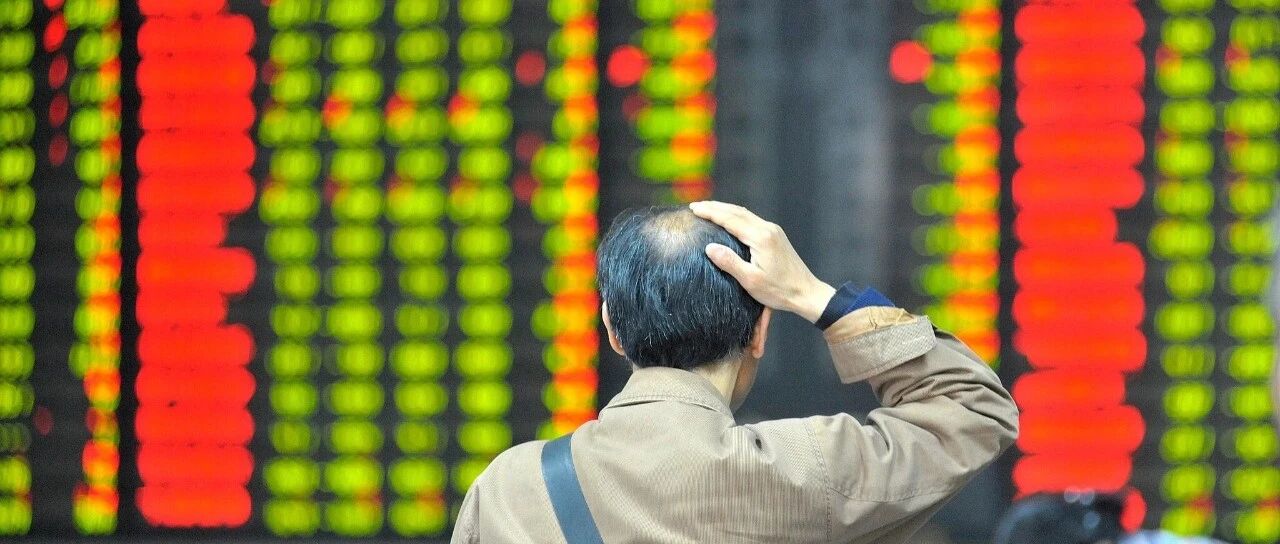
视频|人工智能赛道狂赚100%!前海开源人工智能基金却亏4%,顶流经理也翻车?
Xin Lang Cai Jing· 2026-01-18 00:34
Group 1 - The article discusses the economic developments in Jiangsu province, highlighting the growth in various sectors and the overall economic performance [1] - It emphasizes the importance of innovation and technology in driving economic growth and improving productivity [1] - The report indicates that the local government is implementing policies to support small and medium-sized enterprises (SMEs) to enhance their competitiveness [1] Group 2 - The article mentions specific statistics regarding GDP growth in Jiangsu, noting an increase of 6.5% year-on-year [1] - It outlines the rise in foreign direct investment (FDI), which has reached 10 billion USD, reflecting increased investor confidence [1] - The report highlights the expansion of the manufacturing sector, which has seen a 7% increase in output compared to the previous year [1]
最强赛道“吊车尾”:前海开源人工智能基金为何逆市折戟?
经济观察报· 2026-01-06 09:57
Core Viewpoint - The Qianhai Kaiyuan Artificial Intelligence Fund was the only fund to incur losses in 2025 among 18 AI-themed funds, with a net value growth rate of -4.15%, while others saw gains exceeding 40% [2][5]. Performance Comparison - In 2025, the A-share AI sector experienced strong performance, with the CSI Sci-Tech Innovation AI Index rising by 103.09% and other indices also showing significant increases [4]. - The Qianhai Kaiyuan AI Fund ranked 2242 out of 2274 flexible allocation funds, underperforming its benchmark by 12.55% [5][6]. Fund Management and Strategy - The fund, established in May 2016, focuses on stocks related to AI with at least 80% of its non-cash assets invested in this theme [5]. - The fund was managed by star fund manager Qu Yang until June 2025, when he stepped down due to internal adjustments, with Wei Chun taking over [7]. Investment Strategy Issues - The fund's poor performance was attributed to its focus on end-side AI stocks, while the market was led by AI computing infrastructure stocks [9]. - In Q2 2025, the fund made significant changes to its portfolio, replacing six of its top ten holdings, which subsequently led to substantial losses as these stocks declined [10][11]. Market Trends and Future Outlook - Despite the fund's struggles, the manager Wei Chun anticipates a rapid growth phase for AI hardware in 2026, driven by advancements in AI models and user experience improvements [13].

最强赛道“吊车尾”:前海开源人工智能基金为何逆市折戟?
Jing Ji Guan Cha Wang· 2026-01-05 12:56
Core Insights - In 2025, the AI-themed funds surged, but the Qianhai Kaiyuan AI Fund ended the year with a loss, making it the only fund in its category to do so [2][3] - The fund's A-class share net value growth rate was -4.15%, significantly underperforming compared to the benchmark return rate of 12.55% [3][4] Performance Comparison - Among 18 AI-themed funds that have been established for over a year, Qianhai Kaiyuan AI Fund was the only one to report a loss, while others saw annual gains exceeding 40%, with the highest return surpassing 100% [2][3] - The fund ranked 2242 out of 2274 flexible allocation funds in the market, indicating poor performance relative to peers [3][4] Management and Strategy - The fund was established in May 2016 and focused on selecting stocks of companies with significant growth potential related to AI, investing at least 80% of non-cash assets in AI-related securities [3] - Star fund manager Qu Yang managed the fund until June 2025, when he stepped down due to internal adjustments, with his management yielding a total return of 13.43% over nine years [4][5] Investment Strategy Issues - The fund's underperformance was attributed to its focus on end-side AI sectors like electronics and communications, while the market was led by AI computing infrastructure such as chips and optical modules [5][6] - In Q2 2025, the fund made significant changes to its portfolio, replacing six of its top ten holdings, which coincided with a market downturn for those stocks [6][7] Market Trends and Future Outlook - Despite the fund's struggles, the manager Wei Chun expressed optimism about the AI hardware market entering a rapid growth phase in 2026, driven by advancements in AI models and user experience improvements [8]

上半年医药主题基金业绩亮眼 主动权益类前十占六席
Zhong Guo Jing Ying Bao· 2025-07-02 12:01
Group 1 - The top-performing fund in the first half of 2025 is the Huatai-PineBridge Hong Kong Advantage Selected Fund C share, with a return of 86.68% [1] - The second-ranked fund is the A share of the same Huatai-PineBridge fund, achieving a return of 86.48% [1] - Among actively managed equity funds (excluding QDII), the top performers are CITIC Securities North Exchange Selected Two-Year Open Fund A and C shares, with returns of 82.45% and 82.1% respectively [1] Group 2 - Six out of the top ten actively managed equity funds by performance in the first half of 2025 are themed around pharmaceuticals, indicating strong sector performance [1] - The worst-performing fund in the bottom ten is the Galaxy Junrong Fund I share, with a return of -37.89% [2] - Other poorly performing funds include the Qianhai Kaiyuan Artificial Intelligence Fund A share, with a return of -20.57%, and several funds from the Caitong family ranking among the bottom [2]