助眠仪

Search documents
脑机接口专家电话会议
2026-03-16 02:20
Summary of Key Points from Brain-Computer Interface Conference Calls Industry Overview - The core barrier in brain-computer interface (BCI) technology lies in algorithms rather than hardware, with signal processing and decoding algorithms being crucial for building competitive advantages [1] - Domestic BCI algorithms are only 3-6 months behind international standards, with local advantages in non-invasive multi-point information integration and consumer applications [1] - Invasive technology is suitable for severe conditions like ALS, while non-invasive technology excels in scenarios requiring multi-brain region collaboration, such as emotion recognition and sleep assistance [1] Core Insights and Arguments - The commercialization of consumer-grade products hinges on the "intervention effect" rather than mere monitoring capabilities, with medical-grade intervention being a core barrier for original companies [1] - Non-invasive products are currently priced in the hundreds to thousands of yuan, with high costs due to an immature supply chain; future policy support and increased sales volume are expected to drive significant cost reductions [1] - Investment logic in the primary market is diverging: invasive routes focus on medical certification progress and clinical data, while non-invasive routes emphasize cash flow, customer acquisition costs, and commercialization capabilities [1] - Over the next five years, non-invasive technology is expected to dominate the commercialization market, expanding revenue sources from specific medical indications to broader applications in entertainment, consumer, and industrial sectors [1] Notable Developments - The approval of the first invasive BCI device in China by Boruikang for movement disorders is a landmark event, showcasing the company's nearly 20 years of R&D efforts [2] - Domestic invasive BCI technology is close to international leaders, with non-invasive BCI having seen significant international promotion over the past decade, leading to saturation in some markets [2] - Companies like Qiangnao Technology have reported sales exceeding 10,000 units, with projected revenues of 400 million yuan by 2025, primarily from prosthetics [2] Technical Barriers and Developments - The primary technical barrier in BCI is the algorithm, with hardware being a basic threshold; quality hardware is essential for algorithm performance [3] - Recent advancements in signal decoding have incorporated large model technology, with China leading in the first paper on EEG large models [4] - Non-invasive BCI devices can collect signals from multiple brain regions, providing advantages in complex problem-solving scenarios like emotion recognition [6] Application Scenarios - Invasive BCIs are best suited for specific severe diseases, while non-invasive BCIs excel in applications requiring comprehensive information from multiple brain regions [7] - The medical field presents a clear commercialization path for BCIs, particularly for severe conditions, while non-invasive technologies are expected to find broader applications in consumer markets [8] Commercialization Challenges - For non-invasive consumer-grade BCIs to achieve large-scale commercialization, they must provide effective intervention capabilities, not just monitoring [9] - Successful products must demonstrate quantifiable improvements, such as reducing sleep onset time, to gain consumer trust [10] - The current pricing of non-invasive BCI products ranges from hundreds to thousands of yuan, with high costs attributed to an immature supply chain [12] Competitive Landscape - Original BCI companies must establish a competitive moat through medical-grade intervention capabilities, as consumer electronics giants typically focus on monitoring functions [13] - Companies with a medical device background, like Yuyue and Sannuo, pose significant competition, but original companies can gain an advantage through early data accumulation and clinical partnerships [14] Future Trends - The future of non-invasive BCI commercialization will likely focus on entertainment, consumer, and industrial applications, with significant revenue potential [17][18] - The integration of advanced AI tools beyond traditional machine learning could enhance BCI performance, offering opportunities for companies that can successfully implement these technologies [15] Investment Considerations - Investors focus on unique technology and commercial viability, with invasive BCI companies emphasizing medical certification progress and clinical data, while non-invasive companies prioritize cash flow and customer acquisition [16]
国家吹响减肥号角!“减重经济”能否激发万亿级消费新浪潮
GLP1减重宝典· 2025-06-19 12:45
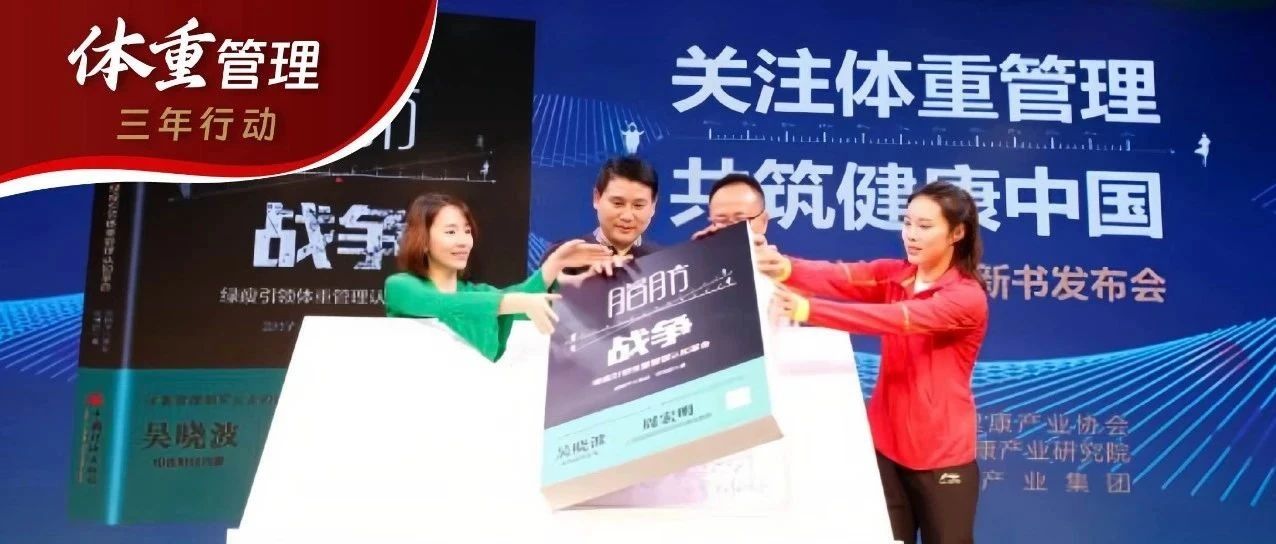
Core Viewpoint - The article highlights the emergence of a "weight management economy" driven by national health policies, consumer upgrades, and technological innovations, with a focus on the "Weight Management Year" initiative launched during the 2023 Two Sessions, aiming to address obesity as a public health issue and create a trillion-level market across various sectors [4][5]. Group 1: Health Crisis to Economic Opportunity - The obesity issue in China is severe, with over 50% of adults classified as overweight or obese, projected to rise to 70.5% by 2030, leading to significant healthcare costs [6]. - The "Weight Management Year" initiative represents a strategic shift from treatment to prevention, aiming to reduce healthcare burdens and improve national health levels [6]. Group 2: Industry Opportunities - National policies are transitioning from "treating diseases" to "preventing diseases," fostering a diverse ecosystem in the weight management economy [7]. - The release of tailored dietary guidelines and the integration of medical and health services are creating new business models in personalized dining and weight management clinics [7]. Group 3: Five Key Consumption Upgrades - **Healthcare**: The pharmaceutical sector is seeing a surge in interest in weight loss medications, with GLP-1 drugs like Semaglutide gaining attention, and over 20 companies are developing similar products [8]. - **Smart Health Devices**: The market for wearable devices is booming, with a 19.3% year-on-year increase in shipments, making China the largest market globally [9]. - **Sports Consumption**: The outdoor sports sector is thriving, with a 51.86% increase in the number of outdoor sports merchants by the end of 2024 [10]. - **Healthy Eating**: The shift towards health-conscious eating is evident, with brands launching low-calorie and functional foods to meet diverse consumer needs [11]. - **Sleep Economy**: Products aimed at improving sleep quality are gaining popularity, reflecting a broader trend in health and wellness [12]. Group 4: Scientific, Personalized, and Experiential Upgrades - The integration of AI and smart devices is transforming weight management into a data-driven, personalized experience, enhancing user engagement through gamification [13]. - The Z generation is reshaping the industry by prioritizing interactive and enjoyable experiences over traditional weight loss methods, leading to a shift in consumer expectations [14]. Group 5: Economic Insights from Weight Management - The health management sector is evolving into a trillion-dollar market, driven by technological advancements and consumer demand for personalized health solutions [15]. - Smart health devices are becoming critical data entry points for health management, with significant sales growth and user engagement [16]. - The fusion of the metaverse and health management is creating new consumer experiences, while social media platforms are driving community engagement in weight management [17]. - The new generation of consumers values aesthetics and cultural relevance in health products, indicating a shift towards lifestyle branding in the weight management sector [18].