国潮养生

Search documents
从中药香囊起步 “00后”开创养生新玩法
Xin Lang Cai Jing· 2026-01-22 20:14
Group 1 - The core idea of the article revolves around the entrepreneurial journey of a young Chinese medicine student, Liao Junran, who is innovatively integrating traditional Chinese medicine into modern health products, particularly through herbal teas and wellness items [2][3]. - Liao Junran's background in a family of medical professionals and her education at Hunan University of Chinese Medicine have fueled her passion for traditional Chinese medicine, leading her to create a brand that appeals to younger consumers [2][3]. - The company started with the development of herbal sachets and expanded to tea bags, achieving significant sales growth through social media marketing and establishing a physical presence on campus [3][4]. Group 2 - The brand emphasizes the principle of "Jun-Chen-Zuo-Shi" in product formulation, using ingredients like yam, red beans, and coix to ensure efficacy while addressing the bitter taste often associated with traditional Chinese medicine [3][4]. - To attract younger audiences, the company has creatively combined traditional herbal products with modern lifestyle items, such as herbal bracelets and earrings, making wellness more accessible and fashionable [3][4]. - Future plans include transforming the brand into a professional health platform that offers customized services through mini-programs and social media, aiming to lead a new trend in health and wellness among the youth [4].

两款“轻养生”产品上市——福瑞达做强药食同源产业链
Da Zhong Ri Bao· 2025-12-17 05:14
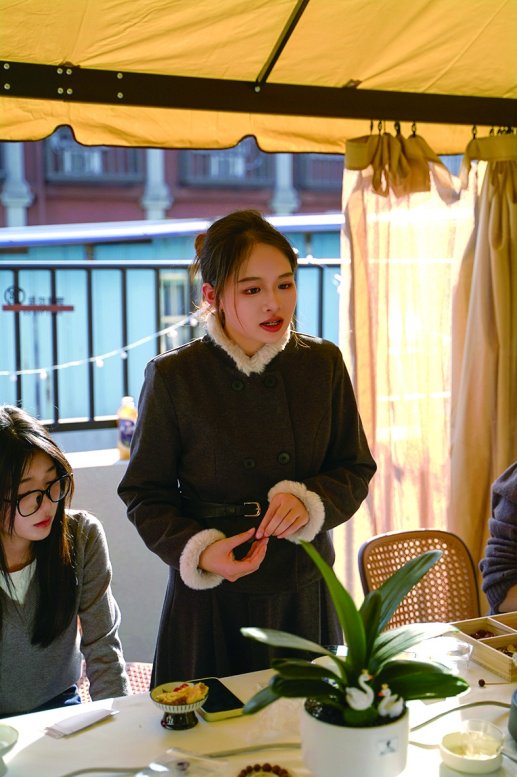
Core Viewpoint - Shandong Furuida Pharmaceutical Group has launched two products, Huangqi Chenpi Water and Wumei Luoshen Water, in Ginza Group supermarkets, igniting a "light health" consumption trend in the market [2][3] Group 1: Product Launch and Market Trends - The launch of Huangqi Chenpi Water and Wumei Luoshen Water represents Furuida's commitment to the "light health" trend, which emphasizes convenience, science, and personalization in health products [3] - The "Healthy China 2030" plan aims for the total scale of China's health service industry to reach 16 trillion yuan by 2030, highlighting the growing importance of health and wellness products [3] Group 2: Product Features and Technology - Furuida's products are characterized by modern interpretations of traditional formulas, utilizing advanced technologies such as sterile cold filling and instant sterilization to ensure the active ingredients' efficacy [4] - Huangqi Chenpi Water includes hyaluronic acid to protect the intestinal lining and hydrate the skin, showcasing the integration of traditional Chinese medicine with modern science [4] Group 3: Industry Collaboration and Development - Furuida has established a comprehensive product matrix with various "light health" products, supported by a strong research foundation and collaborations with institutions like the Chinese Academy of Sciences [5] - The company has launched a supply chain service platform for "medicinal food homology" products, aiming to create a digital information service system for the industry [6][8] Group 4: Strategic Integration and Market Expansion - Furuida's participation in the "One Plate" supply chain strategy of the Lushang Group aims to enhance resource integration and brand influence within the health industry [9][10] - The development of Huangqi Chenpi Water aligns with the "One Plate" strategy, targeting urban professionals' health needs and combining traditional Chinese medicine with modern extraction techniques [10]


传统滋补品融入即食消费赛道
Jing Ji Ri Bao· 2025-11-26 22:45
Core Insights - Traditional health supplements are experiencing rapid growth, with categories like bird's nest drinks, honey, and health teas seeing significant increases in sales [1] - The market share for bird's nest stands at 26.1%, followed by health teas at 22.4% and ginseng products at 13.9% [1] - The growth in health supplement consumption is closely linked to increasing consumer focus on health and wellness [1] Group 1 - The demand for traditional health supplements is becoming more diverse, with a broader age range of consumers [1] - Younger consumers, particularly those aged 25 and below, show a remarkable year-on-year sales growth of 94%, indicating a rising acceptance of health supplements among the youth [1] - This trend is injecting new energy into the health supplement market and creating new opportunities for related businesses [1] Group 2 - The transformation of health supplements from seasonal gifts to everyday consumer products reflects industry upgrades and is closely tied to the influence of e-commerce platforms [2] - Innovations in breeding and cultivation techniques have made previously expensive health ingredients more accessible to the general public [2] - E-commerce platforms enhance consumer experience through big data analysis, targeted marketing, and convenient shopping options, contributing to the evolution of traditional health supplement consumption [2]
看“Z世代”玩转“国潮养生”:“中药+”口红和草本鸡尾酒了解一下
Zhong Guo Xin Wen Wang· 2025-10-18 08:22
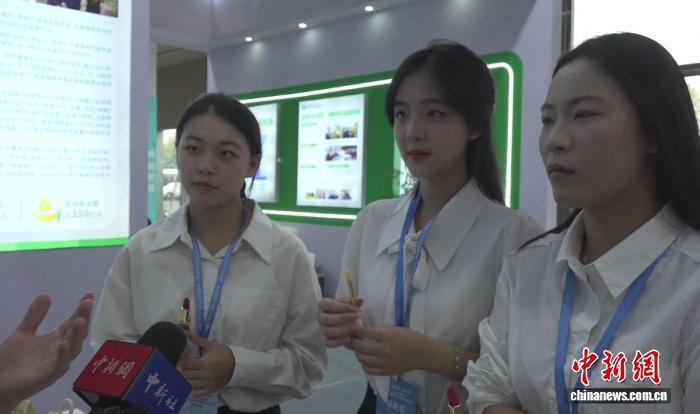
Core Insights - The 56th National Medicinal Materials and Pharmaceuticals Trade Fair in Jiangxi Zhangshu showcases innovative "Traditional Chinese Medicine +" products, attracting attention from the younger generation [1][3] - Student teams from medical colleges are developing cosmetics like lipsticks and balms using traditional Chinese medicinal ingredients, merging health benefits with modern aesthetics [3][5] - The event highlights a cultural shift towards integrating traditional Chinese medicine with contemporary lifestyle products, making wellness more accessible and appealing to younger consumers [5] Group 1: Product Innovations - A variety of products featuring traditional Chinese medicinal ingredients, such as herbal lipsticks and snacks, are being showcased, appealing to both health-conscious consumers and beauty enthusiasts [1][3] - The use of ingredients like Ze Xie and Jiang Xiang Ruo in lipsticks demonstrates a blend of traditional medicine with modern beauty standards [3] - "Ready-to-eat" medicinal snacks challenge the perception of traditional medicine being unpalatable, promoting a more enjoyable approach to health [3] Group 2: Cultural Integration - The event features a blend of traditional cultural activities and modern technology, including AI consultations and digital health assessments, promoting a deeper integration of traditional Chinese medicine with modern practices [5] - The introduction of herbal cocktails by young bar owners illustrates a creative fusion of traditional ingredients with contemporary drinking culture, aiming to attract a younger audience [5] - The use of immersive experiences, such as light shows and holographic projections, enhances the appeal of traditional Chinese medicine to the Z generation, revitalizing its image [5]
国家吹响减肥号角!“减重经济”能否激发万亿级消费新浪潮
GLP1减重宝典· 2025-06-19 12:45
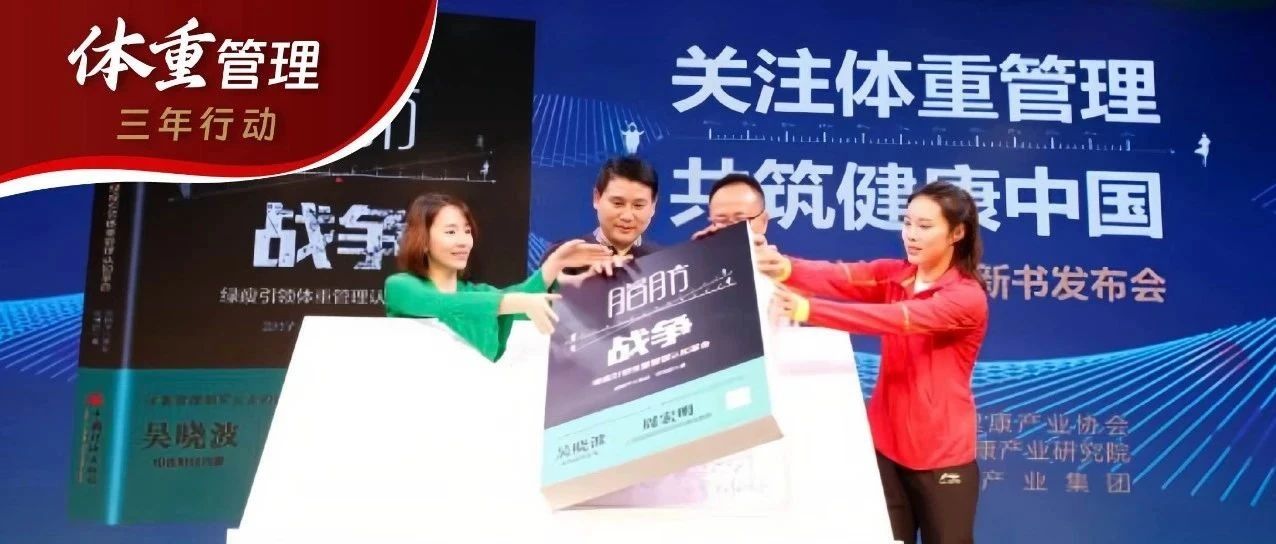
Core Viewpoint - The article highlights the emergence of a "weight management economy" driven by national health policies, consumer upgrades, and technological innovations, with a focus on the "Weight Management Year" initiative launched during the 2023 Two Sessions, aiming to address obesity as a public health issue and create a trillion-level market across various sectors [4][5]. Group 1: Health Crisis to Economic Opportunity - The obesity issue in China is severe, with over 50% of adults classified as overweight or obese, projected to rise to 70.5% by 2030, leading to significant healthcare costs [6]. - The "Weight Management Year" initiative represents a strategic shift from treatment to prevention, aiming to reduce healthcare burdens and improve national health levels [6]. Group 2: Industry Opportunities - National policies are transitioning from "treating diseases" to "preventing diseases," fostering a diverse ecosystem in the weight management economy [7]. - The release of tailored dietary guidelines and the integration of medical and health services are creating new business models in personalized dining and weight management clinics [7]. Group 3: Five Key Consumption Upgrades - **Healthcare**: The pharmaceutical sector is seeing a surge in interest in weight loss medications, with GLP-1 drugs like Semaglutide gaining attention, and over 20 companies are developing similar products [8]. - **Smart Health Devices**: The market for wearable devices is booming, with a 19.3% year-on-year increase in shipments, making China the largest market globally [9]. - **Sports Consumption**: The outdoor sports sector is thriving, with a 51.86% increase in the number of outdoor sports merchants by the end of 2024 [10]. - **Healthy Eating**: The shift towards health-conscious eating is evident, with brands launching low-calorie and functional foods to meet diverse consumer needs [11]. - **Sleep Economy**: Products aimed at improving sleep quality are gaining popularity, reflecting a broader trend in health and wellness [12]. Group 4: Scientific, Personalized, and Experiential Upgrades - The integration of AI and smart devices is transforming weight management into a data-driven, personalized experience, enhancing user engagement through gamification [13]. - The Z generation is reshaping the industry by prioritizing interactive and enjoyable experiences over traditional weight loss methods, leading to a shift in consumer expectations [14]. Group 5: Economic Insights from Weight Management - The health management sector is evolving into a trillion-dollar market, driven by technological advancements and consumer demand for personalized health solutions [15]. - Smart health devices are becoming critical data entry points for health management, with significant sales growth and user engagement [16]. - The fusion of the metaverse and health management is creating new consumer experiences, while social media platforms are driving community engagement in weight management [17]. - The new generation of consumers values aesthetics and cultural relevance in health products, indicating a shift towards lifestyle branding in the weight management sector [18].