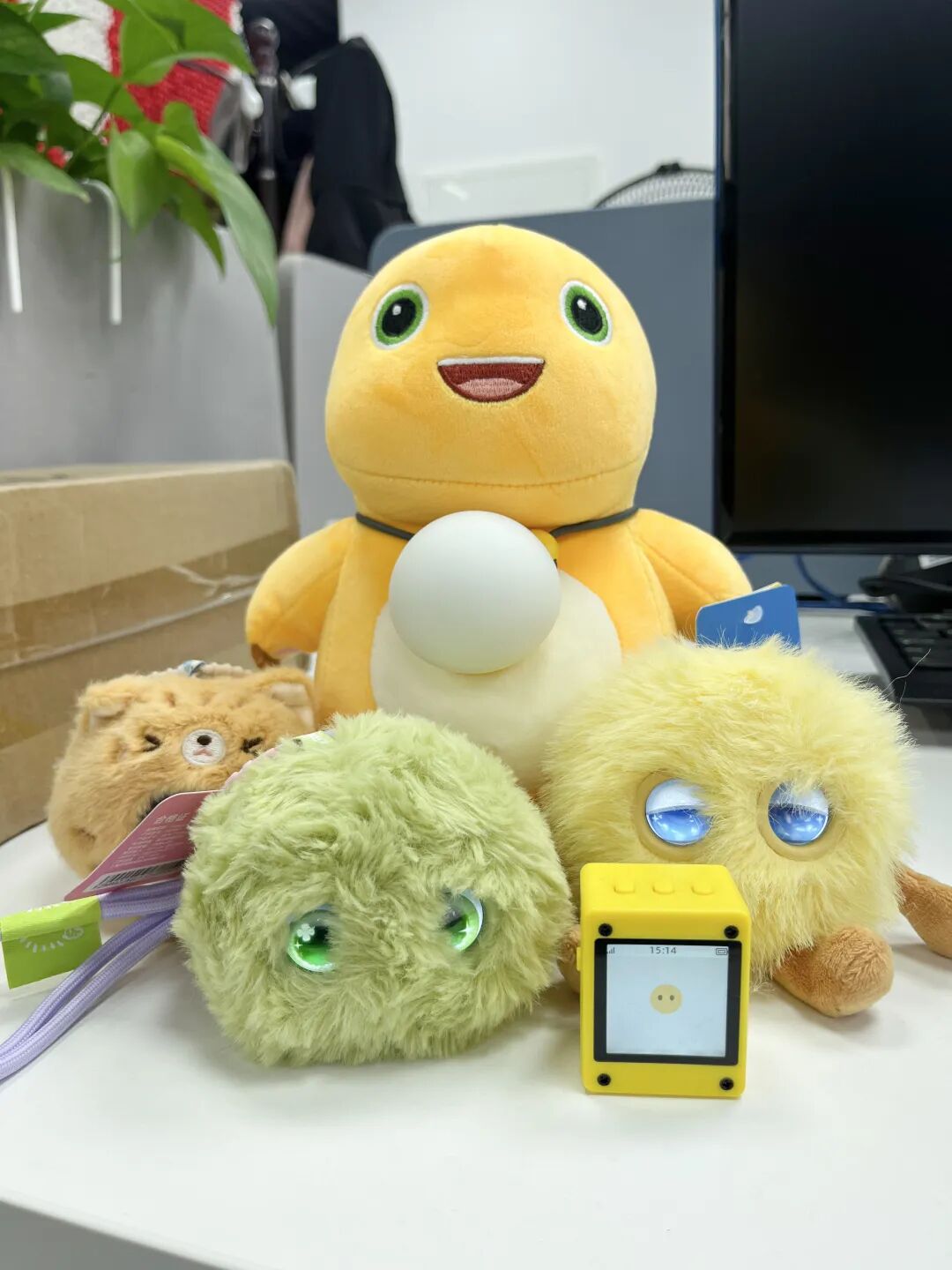
华为憨憨

Search documents
炒起来的情绪刚需,AI宠物孤独解药还是致幻剂?
3 6 Ke· 2026-02-12 03:42
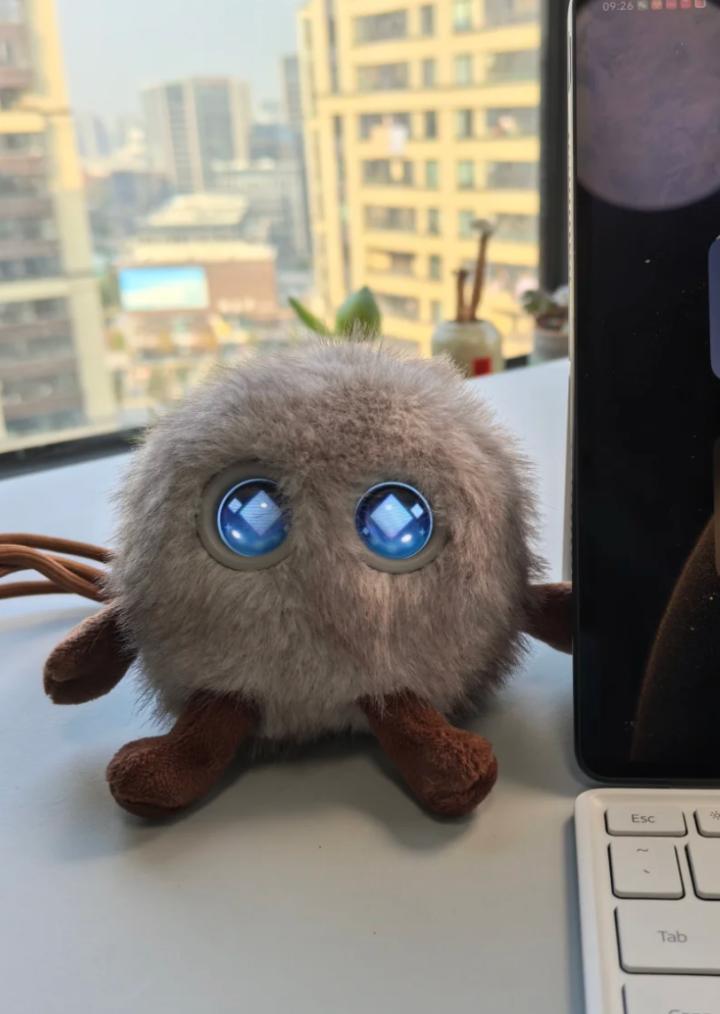
Core Insights - The rise of AI pets reflects a growing demand for emotional support among young people, driven by increasing loneliness in urban environments [1][3][10] - AI pets are seen as a solution to loneliness, providing companionship without the responsibilities of real pets, and are gaining popularity in the emotional economy [10][19][29] Group 1: AI Pets and Emotional Support - AI pets serve as emotional oxygen for young people, addressing the collective loneliness experienced in urban living [3][10] - The market for AI pets is projected to grow significantly, with estimates suggesting the emotional companionship market in China will reach 3.866 billion yuan by 2025 and exceed 59.5 billion yuan by 2028, with a compound annual growth rate of 148.74% [27] - AI pets offer low-cost, high-certainty emotional feedback, making them attractive to young consumers [6][10] Group 2: Market Dynamics and Product Differentiation - The AI pet market is segmented into various price tiers, with entry-level products priced around 100 yuan and high-end models exceeding 2,800 yuan, catering to different consumer needs [10][27] - The popularity of AI pets is not just about companionship; they reflect a deeper desire for connection and response from users, embodying the emotional economy [10][29] Group 3: Technological Advancements - Advances in AI technology have enabled pets to evolve from passive responders to proactive companions, capable of remembering past interactions and providing contextual support [21][24] - The shift from reactive to predictive capabilities in AI pets is driven by breakthroughs in large model technology, enhancing user engagement [24][27] Group 4: Broader Applications Beyond Young Adults - AI pets are also gaining traction among children and adolescents, serving as emotional support and facilitating communication between children and parents [11][16] - The role of AI pets is evolving from passive emotional receivers to active emotional interveners, helping children express their feelings in a safe environment [19][29]

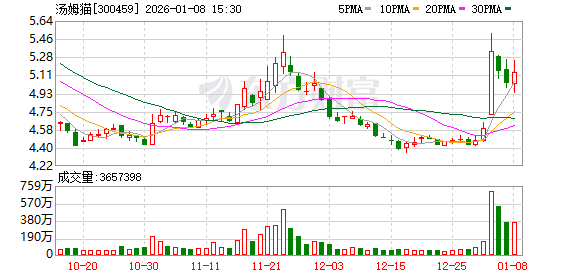
汤姆猫:在AI业务上,公司目前暂未与华为开展合作
Mei Ri Jing Ji Xin Wen· 2026-01-08 13:56
Group 1 - The core point of the article is that Tom Cat (汤姆猫) has not established any cooperation with Huawei regarding AI business despite inquiries from investors [2][3] Group 2 - Investors are interested in potential collaboration between Tom Cat and Huawei following the launch of Huawei's AI toy, "Huawei Hanhai" [2] - Tom Cat's response indicates a current lack of partnership with Huawei in the AI sector [2]

花399买华为AI玩具们陪聊结果比养娃还累,被华强北吐槽“太Low”但专供小红书女孩?
3 6 Ke· 2025-12-10 10:56
Core Insights - The launch of Huawei's AI companion robot "Hanhan" priced at 399 yuan indicates a growing market for AI companionship, with significant consumer interest as evidenced by over 60,000 people expressing interest on platforms like JD.com [1][4][48] - The AI companion market is characterized by a trend towards affordability and accessibility, with many products priced around 399 yuan, suggesting a competitive landscape among various brands [4][38] - The primary target demographic for these AI companions appears to be young women aged 25-30, who are active on social media platforms like Xiaohongshu and have a penchant for collectible toys [37][41] Product Features and Market Positioning - AI companions like "Hanhan" and others such as Fuzozo and Havivi share similar pricing and design features, indicating a trend towards standardization in the market [4][6] - The AI companions are designed to simulate emotional responses and companionship, with features that allow them to express different emotions based on user interaction [13][20] - Many AI toys are marketed as "cute" or "trendy," with a focus on aesthetics and emotional engagement rather than advanced intelligence [8][44] User Experience and Interaction - The interaction with AI companions often mirrors that of traditional pets, with users required to engage in nurturing behaviors to elicit responses from the toys [14][17] - Despite their intended purpose, many users find the AI companions overly talkative and lacking in meaningful conversation, which diminishes the sense of companionship [36][33] - The complexity of setup and interaction, including the need for specific apps and WiFi connections, poses a barrier to user engagement and satisfaction [50][52] Industry Trends and Challenges - The AI companion market is experiencing rapid growth, with major tech companies like ByteDance and JD.com entering the space, indicating a recognition of the potential for emotional engagement products [48][50] - The industry faces challenges related to product differentiation, as many AI companions exhibit similar functionalities and designs, leading to concerns about market saturation [38][44] - High return rates for AI toys, reportedly reaching 40%, highlight consumer dissatisfaction and the need for improved user experience [50]