人工智能玩具

Search documents
花399买华为AI玩具们陪聊结果比养娃还累,被华强北吐槽“太Low”但专供小红书女孩?
3 6 Ke· 2025-12-10 10:56
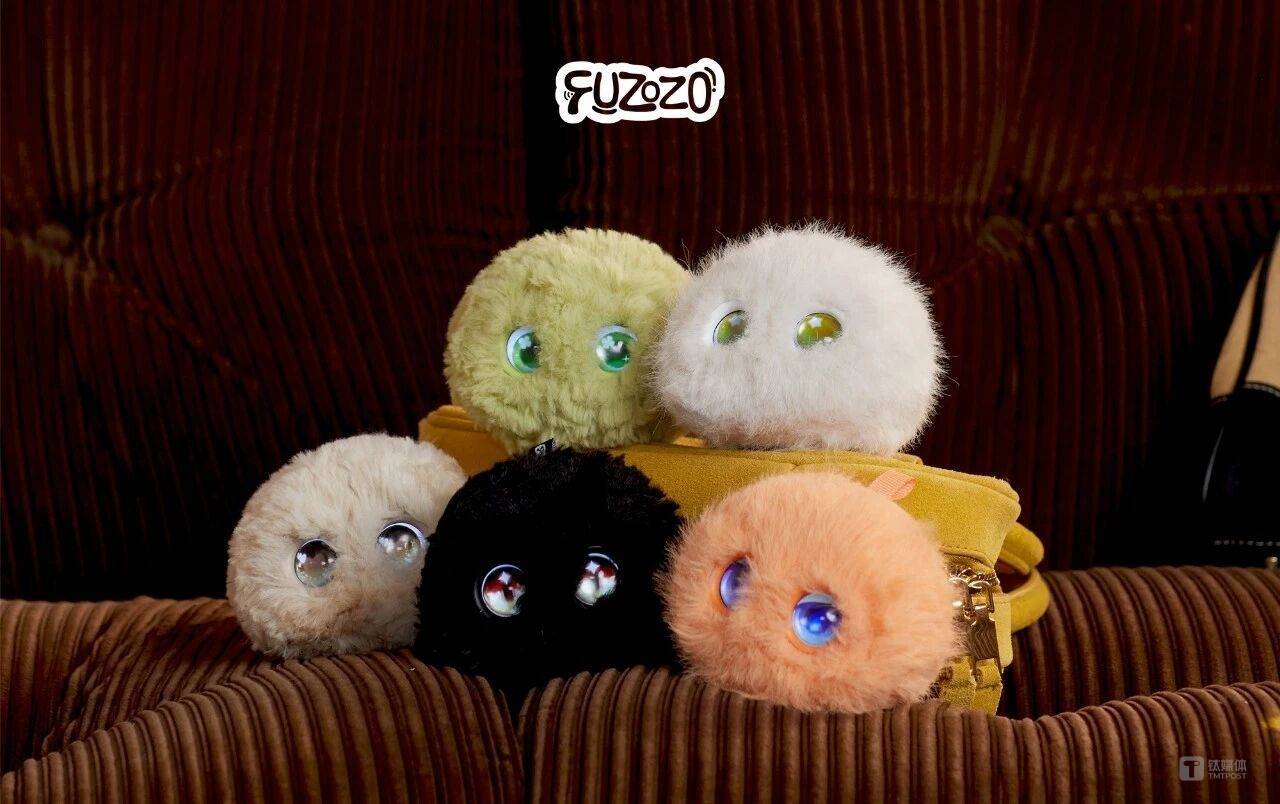
Core Insights - The launch of Huawei's AI companion robot "Hanhan" priced at 399 yuan indicates a growing market for AI companionship, with significant consumer interest as evidenced by over 60,000 people expressing interest on platforms like JD.com [1][4][48] - The AI companion market is characterized by a trend towards affordability and accessibility, with many products priced around 399 yuan, suggesting a competitive landscape among various brands [4][38] - The primary target demographic for these AI companions appears to be young women aged 25-30, who are active on social media platforms like Xiaohongshu and have a penchant for collectible toys [37][41] Product Features and Market Positioning - AI companions like "Hanhan" and others such as Fuzozo and Havivi share similar pricing and design features, indicating a trend towards standardization in the market [4][6] - The AI companions are designed to simulate emotional responses and companionship, with features that allow them to express different emotions based on user interaction [13][20] - Many AI toys are marketed as "cute" or "trendy," with a focus on aesthetics and emotional engagement rather than advanced intelligence [8][44] User Experience and Interaction - The interaction with AI companions often mirrors that of traditional pets, with users required to engage in nurturing behaviors to elicit responses from the toys [14][17] - Despite their intended purpose, many users find the AI companions overly talkative and lacking in meaningful conversation, which diminishes the sense of companionship [36][33] - The complexity of setup and interaction, including the need for specific apps and WiFi connections, poses a barrier to user engagement and satisfaction [50][52] Industry Trends and Challenges - The AI companion market is experiencing rapid growth, with major tech companies like ByteDance and JD.com entering the space, indicating a recognition of the potential for emotional engagement products [48][50] - The industry faces challenges related to product differentiation, as many AI companions exhibit similar functionalities and designs, leading to concerns about market saturation [38][44] - High return rates for AI toys, reportedly reaching 40%, highlight consumer dissatisfaction and the need for improved user experience [50]

“智能憨憨”引发AI玩具热行业同质化严重智能化不足
Zheng Quan Shi Bao· 2025-12-03 17:38
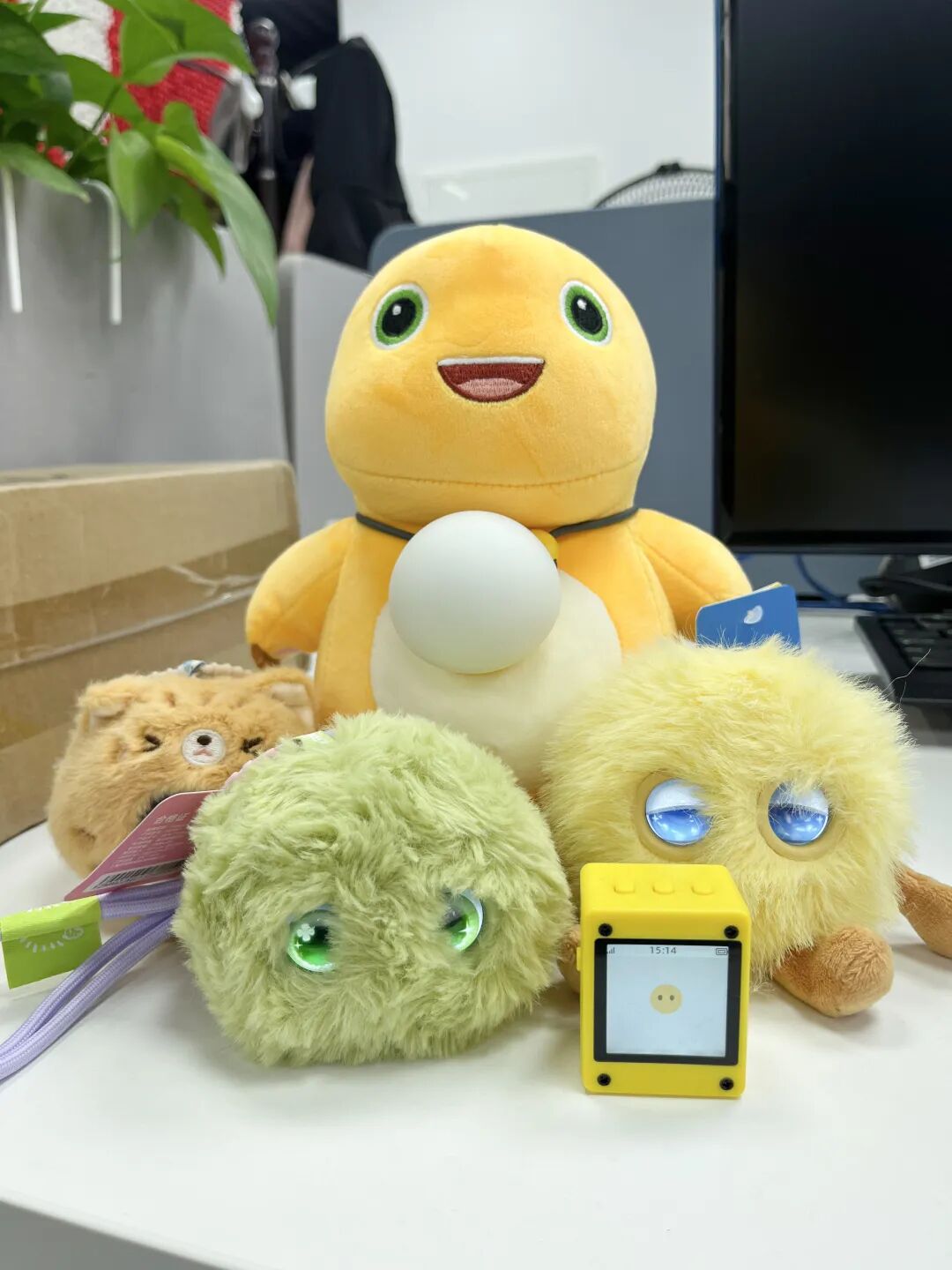
Core Insights - The launch of Huawei's "Smart Hanhai" AI toy at a price of 399 yuan has sparked a new wave of interest in the AI toy market, with high demand leading to sellouts and significant pre-order volumes [1][2] - The AI toy market is experiencing growth, with major companies entering the space, indicating a shift in focus from traditional consumer electronics to innovative products [2][3] - Despite the excitement, the industry faces challenges such as product homogenization and high return rates, which hinder its development [4][5] Market Trends - The AI toy market is projected to grow significantly, with estimates suggesting a market size of approximately 246 billion yuan in 2024, increasing to 290 billion yuan in 2025, and potentially exceeding 1 trillion yuan by 2030 with a compound annual growth rate of over 50% [3] - Major companies like UBTECH and JD.com are launching their own AI toys, indicating a competitive landscape where traditional electronics firms are diversifying their product offerings [2][3] Industry Challenges - The AI toy sector is plagued by severe product homogenization, with many toys utilizing similar models and features, leading to consumer dissatisfaction and high return rates, which can reach up to 40% initially [4][5] - The lack of unique intellectual property and reliance on generic models contribute to the perception that many AI toys do not meet consumer expectations, resulting in a high rate of returns [5][6] Future Outlook - The AI toy market is expected to undergo a "shakeout" phase within the next five years, where companies lacking unique offerings or comprehensive capabilities may exit the market [6][7] - Experts predict that the market will eventually be dominated by three types of players: major consumer electronics companies, content-driven firms like LEGO and Disney, and specialized service providers focusing on niche markets [6][7]
萌友智能联合创始人兼CEO何嘉斌:一场AI陪伴的“非共识”商业实验,在年轻人桌上放下一个“未来宠物”
Mei Ri Jing Ji Xin Wen· 2025-11-25 15:49
Core Insights - Ropet, an AI pet developed by Beijing Mengyou Intelligent Technology Co., aims to tap into the emotional companionship market, which is projected to exceed 100 billion yuan [2][6] - The company has adopted a "first overseas, then domestic" strategy, successfully launching Ropet on crowdfunding platforms in the U.S. and Japan before its domestic debut in 2025 [3][4] - Ropet's unique decision to forgo voice interaction distinguishes it from competitors, focusing instead on emotional value and tactile feedback to enhance user experience [5][7] Company Overview - Beijing Mengyou Intelligent Technology was founded in 2022, with a team that includes experienced professionals from major tech companies [2] - The company has completed three rounds of financing, with the latest A1 round raising several million yuan led by the Beijing AI Industry Investment Fund [1] Market Strategy - The initial launch of Ropet on international crowdfunding platforms has helped build a user base and gather feedback for product iteration [3] - The cautious approach to the domestic market aims to refine the product based on sales data and user feedback before a full-scale launch [4] Product Features - Ropet emphasizes emotional companionship through non-verbal interactions, utilizing soft textures and expressive features to create a sense of presence [7] - The device incorporates privacy measures, processing data locally to alleviate user concerns about data security [7] Industry Context - The AI toy market is rapidly growing, with expectations to surpass 100 billion yuan by 2030, driven by advancements in computing power and reduced training costs [6] - The AI companionship robot sector is still in its early stages, with many startups competing but few achieving significant sales [8] Competitive Landscape - Ropet faces competition from both emerging startups and established toy companies, which may enter the emotional companionship market leveraging their existing IP and customer bases [8][9] - The company views the entry of larger players as an opportunity to educate consumers and expand the market [10] Future Outlook - The focus for Mengyou Intelligent is on enhancing product experience and building a strong user community to leverage network effects [10] - The anticipated breakthrough in technology will come from advancements in edge computing and local intelligence, rather than improvements in voice interaction [11]
光线传媒盯上AI玩具 3500万资助七维科技
Zhong Guo Jing Ying Bao· 2025-10-31 13:29
Core Viewpoint - Light Media is investing in AI toy development through its subsidiary, aiming to leverage its IP assets and enhance its operational capabilities in the emerging AI toy market [1][3][5]. Group 1: Financial Support and Collaboration - Light Media's subsidiary, Beijing Light Media Co., plans to provide up to RMB 35 million in financial support to its affiliate, Beijing Qiwai Visual Technology Co., with a loan interest rate of 6% and a term of up to 36 months [1]. - The funding will primarily support the daily operations of Qiwai Technology, including AI toy development, thereby strengthening the strategic partnership between the two companies [3][5]. Group 2: AI Toy Market Insights - AI toys are characterized by their interactive and emotional companionship features, distinguishing them from traditional toys and making them a focus of market interest this year [1][8]. - The global AI toy market is projected to grow from USD 18.1 billion in 2024 to USD 60 billion by 2033, with a compound annual growth rate (CAGR) of approximately 14% [8]. Group 3: IP Development Strategy - Light Media is focusing on IP development, having recognized the commercial value of its IP assets following the success of the animated film "Nezha: Birth of the Demon Child," which grossed around USD 2.2 billion [1][5][6]. - The company aims to create a complete IP ecosystem by developing various derivative products and expanding its revenue streams beyond box office earnings [5][6]. Group 4: Industry Challenges and Opportunities - The AI toy industry is still in its early stages, facing challenges such as product homogeneity, reliance on similar service providers for AI functionalities, and concerns regarding data privacy and security [9][10][11]. - Despite these challenges, the integration of AI toys with well-known IPs can provide new revenue sources for film companies and enhance the perceived value of these products [9][11].

红杉资本投了,AI玩具界的“泡泡玛特”|融资动态
Sou Hu Cai Jing· 2025-09-29 04:09
Core Insights - The AI emotional companionship sector, previously labeled as "pseudo-demand," is potentially nurturing its first blockbuster product with the launch of "Fuzai" by Luobo Intelligent, achieving monthly sales of 20,000 units and pre-orders exceeding 100,000 units [2] - The founder, Sun Zhaozhi, identifies "emotional consumption" as a global trend, particularly among young people, where emotional issues drive them to pay for emotional value [2][3] - The target demographic for "Fuzai" primarily consists of Gen Z women, indicating a shift from emotional support as a luxury to a necessity [2] Company Overview - Luobo Intelligent was founded by Sun Zhaozhi, who has a background in industrial design and artificial intelligence, previously working at XPeng Motors and XPeng Robotics [3] - The product "Fuzai" differentiates itself through unique design and innovative technology, including the Multi-Modal Emotion Model (MEM) and EchoChain bionic memory system [3][5] Product Features - "Fuzai" establishes long-term emotional bonds with users through deep emotional interaction, setting it apart from other AI products [4] - The MEM technology allows "Fuzai" to accurately recognize users' emotional fluctuations by analyzing voice, expressions, and actions, creating a unique "emotional personality" [5] - The EchoChain system enables "Fuzai" to retain long-term memories of user interactions, enhancing the personalization of responses [5] Market Trends - The AI toy market in China is projected to reach 29 billion yuan by 2025, with an annual growth rate of 28%, potentially reaching 85 billion yuan by 2030 [4] - The rise of emotional consumption among young people, driven by social isolation and emotional voids, is creating a dependency on AI companionship products [4] - Investment in the AI toy sector is increasing, with 96 investment institutions involved, including major players like Sequoia and ByteDance [4][6] Competitive Landscape - The AI toy market is attracting numerous startups and established internet companies, with major players like Baidu and JD.com accelerating their investments [6] - AI toys are categorized into two types: native IP products and AI versions of existing IPs, expanding the market from children to all age groups [6] Future Developments - Luobo Intelligent is developing the "Fuzai ecosystem," which aims to integrate psychological assessments, parent-child companionship, and virtual social interactions into a comprehensive emotional service matrix [7] - The market for AI toys is increasingly focusing on the keyword "companionship," with a significant percentage of consumers willing to pay for emotional support services [7]