华宝优势产业基金

Search documents
华宝基金主动权益业务持续弱化引关注 多只基金清盘背后现规模结构隐忧 |基金观察
Sou Hu Cai Jing· 2026-02-13 07:06
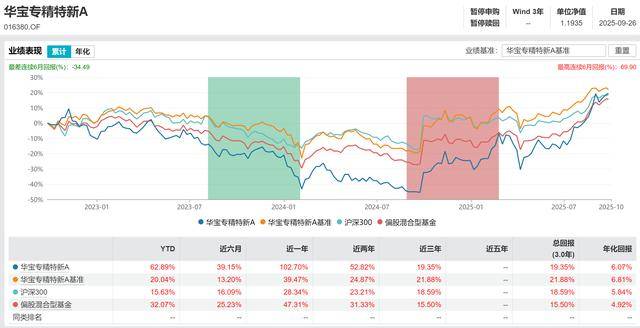
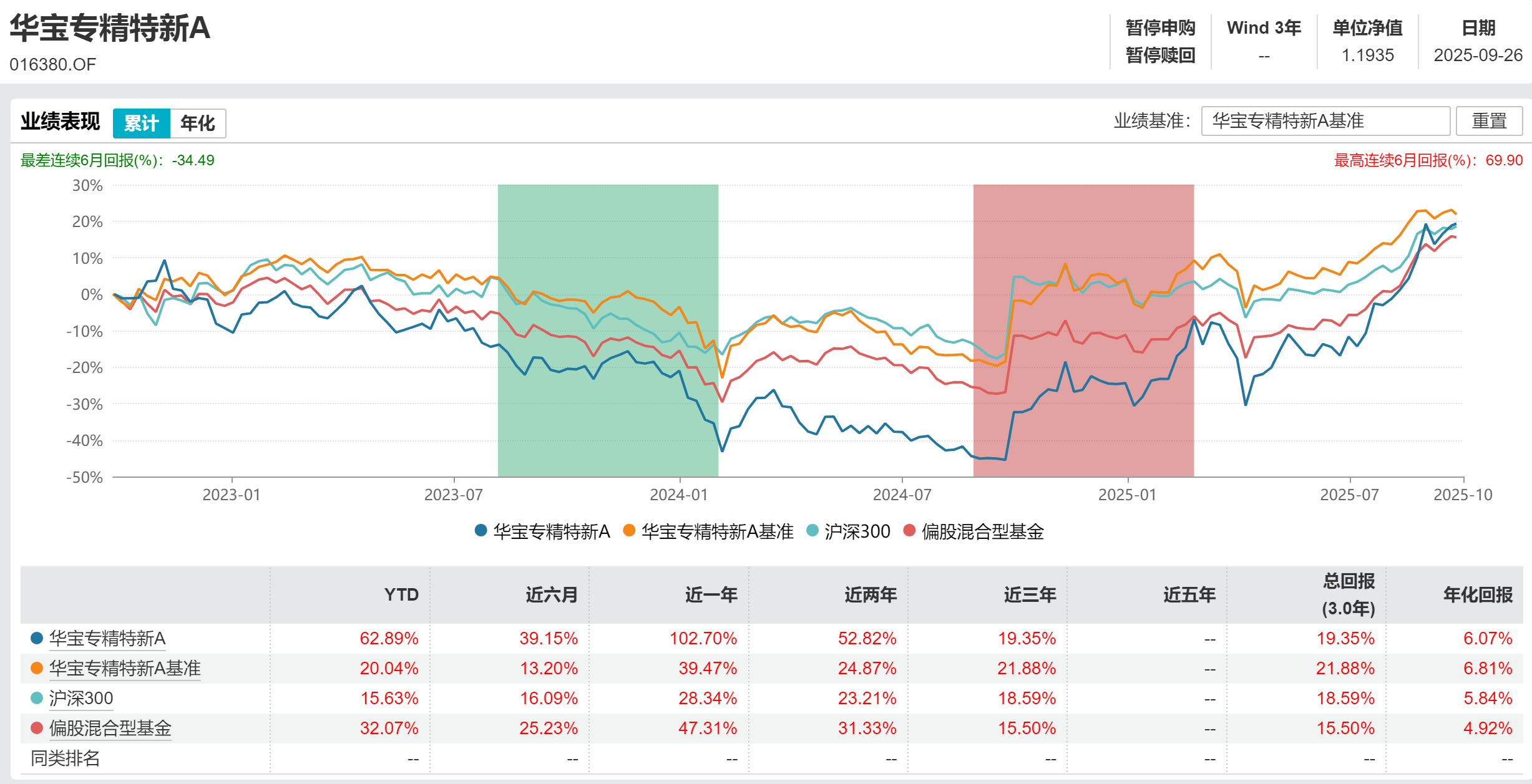
Core Viewpoint - The recent liquidation of several actively managed equity funds by Huabao Fund highlights the challenges faced by the company in the active equity sector, despite having a significant asset management scale of approximately 420 billion yuan [1][4]. Fund Performance and Liquidation - Huabao's "Specialized and Innovative" fund saw a performance increase of over 100% in the year leading up to its liquidation, which is unusual as high-performing funds are typically promoted heavily [4]. - The "Huabao Yuan Shi" fund was terminated just 7 months after its establishment, indicating a troubling trend in the company's fund management [4]. Asset Management Scale and Structure - As of January 31, 2026, Huabao Fund's total asset management scale was approximately 420 billion yuan, ranking 28th in the industry [4]. - The fund's structure is heavily skewed, with over 90% of its assets in money market funds (1,757 billion yuan) and ETFs (2,130 billion yuan), while actively managed equity funds account for less than 5% of the total [6][4]. Strategic Goals and Management Changes - The previous chairman, Huang Kongwei, set an ambitious target of reaching 1 trillion yuan in assets by 2027, but the current scale is still 580 billion yuan short of this goal [6]. - The new chairman, Xia Xuesong, lacks experience in the public fund sector, which raises concerns about the company's strategic direction [6][15]. Investment Strategy and Performance Issues - The active equity business of Huabao Fund has been criticized for its research and investment capabilities, particularly with the Nasdaq Select Fund, which has deviated from its investment goals [7]. - The fund's high turnover rate of 866.99% and significant trading commissions raise questions about its management efficiency [12]. Future Outlook and Challenges - The new management has emphasized strengthening ETF and fixed income strategies, with little focus on active equity, which may hinder the company's competitiveness in the future [18]. - Industry experts suggest that without overcoming the challenges in active management and balancing its business structure, Huabao Fund may face greater difficulties in the competitive landscape [18].

华宝基金主动权益业务持续弱化引关注 多只基金清盘背后现规模结构隐忧
Zhong Guo Neng Yuan Wang· 2026-02-13 06:55
Core Viewpoint - The recent liquidation of several actively managed equity funds by Huabao Fund has raised significant concerns about the company's challenges in the active equity sector, despite the impressive performance of some funds [1][5]. Fund Performance and Liquidation - Huabao's "Zhuanjing Te Xin" fund achieved over 100% growth in the past year but was still liquidated due to not meeting the minimum scale requirement [1][5]. - The "Yuan Shi" fund was terminated just 7 months after its establishment, highlighting the difficulties faced by Huabao in maintaining its active equity offerings [1][5]. Asset Management Scale and Structure - As of early 2026, Huabao Fund's total asset management scale is approximately 420 billion yuan, ranking 28th in the industry [5][7]. - The fund's structure is heavily skewed, with over 90% of its assets in money market funds and ETFs, while actively managed equity funds account for less than 5% of its total assets [6][7]. Strategic Goals and Management Changes - The previous chairman, Huang Kongwei, set an ambitious target of reaching 1 trillion yuan in assets by 2027, but the current scale is still 580 billion yuan short of this goal [7]. - The new chairman, Xia Xuesong, lacks experience in the public fund sector, which raises concerns about the company's strategic direction [7][21]. Management Focus and Future Challenges - The new management has emphasized strengthening the ETF segment and expanding fixed-income investments, with little focus on active equity strategies [21]. - Despite a recent successful launch of a mixed equity fund, the overall trend indicates a weakening of Huabao's active equity business, which may pose greater challenges in a competitive market [21].
基金发行升温,华宝优势产业首募规模超50亿元
Zheng Quan Shi Bao Wang· 2026-01-23 08:02
Group 1 - The public fund issuance market has been heating up since the beginning of the year, with significant activity noted [1] - On January 23, the Huabao Advantage Industry Fund announced the closure of its fundraising, achieving a first fundraising scale exceeding 5 billion yuan [1]
近三年业绩同类第一的冠军基金经理再“亮”剑,华宝优势产业基金(026286)迎新首发
Xin Lang Cai Jing· 2025-12-26 05:56
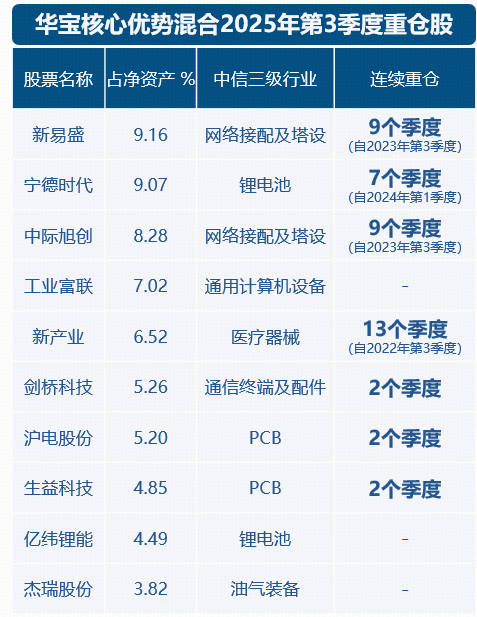
Group 1 - The core investment theme for 2026 in A-shares and overseas markets is expected to focus on technology breakthroughs, with global cycles and domestic demand transformation as supplementary factors [10][11][26] - The newly launched Huabao Advantage Industry Fund aims to invest in stocks benefiting from China's economic development and structural transformation, with a stock investment ratio of 60%-95% and a cap of 50% for Hong Kong Stock Connect stocks [3][18] - Fund manager Zheng Yingliang has demonstrated exceptional investment capabilities, with the Huabao Core Advantage Fund achieving a 144.70% return over the past three years, ranking first among 410 similar funds [1][10][19] Group 2 - The investment strategy combines top-down and bottom-up approaches, focusing on industries with good fundamentals and sustainable growth potential [3][18] - Zheng emphasizes the importance of industry lifecycle positioning, aiming to capture rapid growth phases while avoiding industry reshuffling periods [18][26] - The Huabao Core Advantage Fund has successfully leveraged this strategy, heavily investing in leading companies in the optical communication and lithium battery sectors, aligning well with long-term market trends [4][19] Group 3 - The fund's top holdings as of Q3 2025 include companies like Xinyi Technology (9.16%), CATL (9.07%), and Zhongji Xuchuang (8.28%), reflecting a strong focus on communication and new energy sectors [5][20] - The fund has consistently held its top positions for multiple quarters, indicating a stable investment strategy [20][21] - The macroeconomic environment is expected to improve in 2026, with signs of recovery in industrial profits and potential upward pressure on prices, which could lead to a "Davis Double" effect in the domestic market [10][25]