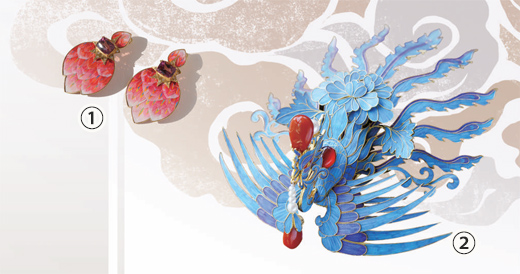
南京绒花

Search documents
跨越千年的“转译”:南京与巴黎对话文化遗产的未来图景
Yang Zi Wan Bao Wang· 2026-02-12 12:23
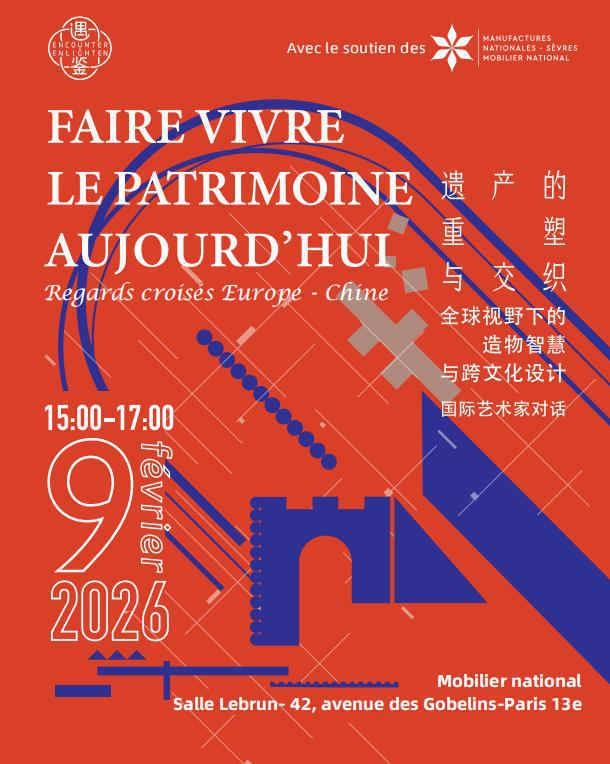
Core Insights - The event titled "Reconstructing and Interweaving Heritage" held in France aimed to explore how cultural heritage can thrive in modern society, using Nanjing as a case study [1][5] Group 1: Cultural Heritage and Modernization - Cultural heritage often faces a dilemma of being either displayed as static exhibits in museums or losing its authenticity due to commercialization [5] - Professor Hang Jian proposed the idea of "preserving genes and reconstructing language," suggesting that heritage preservation should focus on modern reinterpretation rather than mere replication [5][7] - The collaboration between Nanjing's Yun Jin inheritor Chen Cheng and international brands like GUCCI exemplifies how ancient techniques can be integrated into contemporary fashion, highlighting the need for intangible cultural heritage to be woven into modern aesthetics [7] Group 2: Dynamic Nature of Cultural Heritage - French designer Matali Crasset emphasized that cultural heritage is a dynamic resource that can inspire innovation and action, advocating for narratives that integrate heritage wisdom into daily life [7] - The importance of youth engagement in cultural heritage was highlighted, encouraging young people to reinterpret ancient wisdom creatively [10] Group 3: Technological Innovations in Heritage Protection - Nanjing's approach to heritage protection includes the use of a "monitoring and early warning platform" to address environmental challenges faced by the 25.1 km long city wall, showcasing the role of technology in preservation [9] - The "Grain Returns to Warehouse" project involved citizens collecting nearly 600,000 scattered bricks over ten years, fostering emotional connections between the public and history [9] Group 4: Collaborative Models for Heritage Preservation - The "government-university-society" collaborative model proposed by Nanjing Art Institute aims to integrate design education with industry needs, promoting interdisciplinary talent capable of addressing social issues through design [9] - Nanjing's "International Designer Residency Program" connects local heritage artisans with international designers, resulting in works that have been collected by top museums and collaborated with global brands [12] Group 5: Practical Pathways for Heritage Transmission - Nanjing's practices demonstrate a pragmatic response to modernization challenges, balancing commercial pressures with top-down design initiatives [12] - The approach emphasizes the importance of not solely relying on government funding but also mobilizing resources from universities, society, and enterprises to create a sustainable protection ecosystem [12][13] - The dialogue serves as a platform for showcasing Nanjing's unique cultural charm and innovative vitality, transforming cultural heritage from a burden of inheritance into a source of inspiration for creativity [13]

非遗邂逅烟火气 响堂大集元旦开市燃动北岸年味
Xin Lang Cai Jing· 2026-01-03 04:50
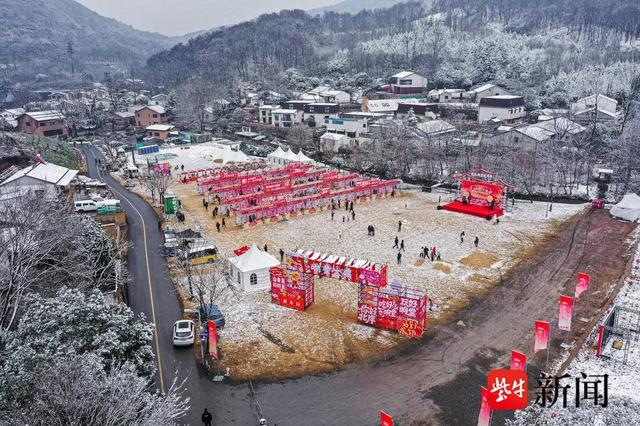
年货采购区则汇聚本土风物与跨域特产,桥林茶干、六合蟹黄汤包等本地特色美食同台展销,满足市民 一站式年货采购需求。为提升消费体验,所有参展产品均纳入全市惠民消费体系,商务部门联动景区同 步推出消费折扣券,让"柴米油盐"的日常采购更具性价比,切实惠及民生。 除了非遗与年货,休闲互动区同样人气爆棚。亲子露营、本土乐队演艺等配套活动持续升温,活动当日 天空飘落的瑞雪更添浪漫氛围,让现场游客收获意外惊喜。大人在市集里寻味乡愁,孩子在雪地里尽情 嬉戏,热闹的人群、升腾的烟火,勾勒出一幅祥和喜庆的新年图景。 据统计,截至活动首日14时,首日消费折扣券已全部发放完毕,活动两天大集累计接待市民游客超1万 人次。响堂大集将在春节前持续推出共四场延续性活动,作为"我在北岸过大年"系列活动的重要组成部 分将持续为市民游客送上满满的年味与欢乐,助力"我在北岸过大年"打造成为承载年味记忆、共享美好 生活的城市新名片、文化新品牌。 转自:扬子晚报 扬子晚报网1月3日讯(记者 刘丽媛)岁序启新,年味渐浓。作为"我在北岸过大年"系列活动的2026年 首场核心活动,响堂大集于1月1日正式开市。这场以"非遗+年味"为核心的文旅盛宴,集结20种非遗 ...
材美工巧 国风饰品成为心头好(文化中国行·这些美 很中国)
Ren Min Ri Bao· 2025-06-17 22:10
Core Viewpoint - The article highlights the resurgence of traditional Chinese craftsmanship in modern jewelry design, particularly among young designers who blend traditional techniques with contemporary aesthetics, making these pieces popular among younger consumers [16][21]. Group 1: Traditional Craftsmanship - Traditional craftsmanship such as pointillism, flower silk inlay, and shell inlay is gaining popularity, with young people increasingly drawn to these unique art forms [16][19]. - The intricate techniques of traditional crafts are being revitalized and integrated into daily life, showcasing a blend of ancient and modern creativity [19][20]. Group 2: Young Designers - Young designers like Wang Shenglin are at the forefront of this movement, creating pieces that reflect both traditional Chinese culture and modern design sensibilities [17][21]. - Wang Shenglin's work includes a variety of designs inspired by historical artifacts, such as the Ming Dynasty's Nine Dragons and Nine Phoenix Crown, which combines multiple traditional techniques [17][18]. Group 3: Cultural Significance - The article emphasizes that traditional crafts are not just artistic expressions but also carriers of cultural heritage, reflecting the wisdom and aesthetic pursuits of Chinese civilization [18][20]. - The revival of these crafts is seen as a way to connect younger generations with their cultural roots, fostering a deeper appreciation for traditional art forms [19][20]. Group 4: Market Trends - There is a growing market for "Guofeng" (national style) jewelry, which incorporates traditional elements into modern designs, appealing to the aesthetic preferences of young consumers [16][21]. - The popularity of these pieces is evident on social media platforms, where new designs often receive enthusiastic responses and requests for purchase [17].