南京云锦

Search documents
我的老朋友有点潮 | 一丝一线织古韵,千年非遗正当“潮”
Xin Lang Cai Jing· 2026-02-21 11:04
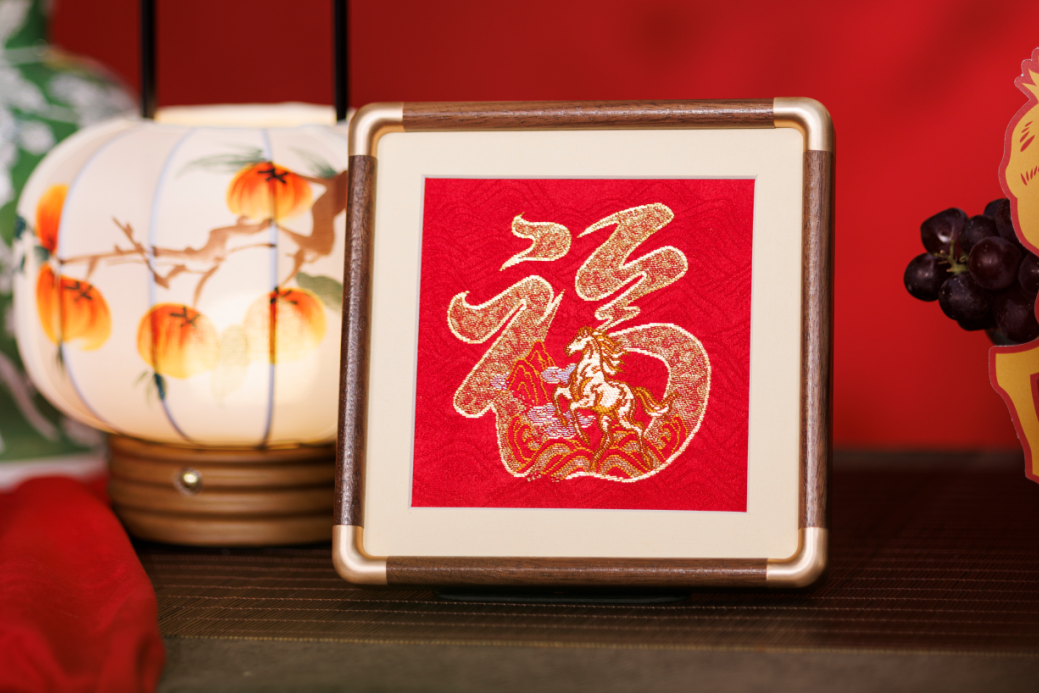
Core Viewpoint - Nanjing Yunjin, a traditional Chinese brocade with a history of 1600 years, is undergoing a transformation to integrate ancient craftsmanship with modern aesthetics, making it relevant in contemporary life and expanding its reach globally [1][3][20] Group 1: Historical Significance and Aesthetic Evolution - Nanjing Yunjin has been a symbol of luxury and elegance in Chinese history, particularly in royal courts, showcasing unique weaving techniques and precious materials [3][5] - The craftsmanship of Yunjin has evolved while maintaining its roots in imperial aesthetics, allowing it to resonate with modern tastes [5][7] Group 2: Modern Adaptation and Market Integration - The transformation of Yunjin from a royal tribute to a consumer product reflects a keen understanding of contemporary market demands, focusing on creating products that fit modern lifestyles [5][14] - Yunjin's designs have shifted from traditional vibrant colors to more subtle modern aesthetics, incorporating elements like small goldfish and butterflies instead of traditional motifs [7][9] Group 3: Technological Innovation and Craft Preservation - The integration of modern technology in the design and production processes enhances the traditional craftsmanship without compromising its core techniques [9][11] - Innovations such as color-changing threads and the use of new materials like ostrich feathers demonstrate a blend of tradition and modernity in Yunjin's offerings [11][13] Group 4: Cultural Heritage and Future Directions - The preservation of Yunjin's core techniques is essential for its cultural heritage, with a focus on creating products that are both traditional and appealing to contemporary consumers [14][16] - The brand "Yuanxian" under the Nanjing Yunjin Museum is exploring a path of industrialization and branding, aiming to make Yunjin accessible to a broader audience while maintaining its artisanal quality [17][20]

“苏品苏货”集合店落地南京机场 打造江苏智造空中窗口
Zhong Guo Min Hang Wang· 2026-02-14 04:46
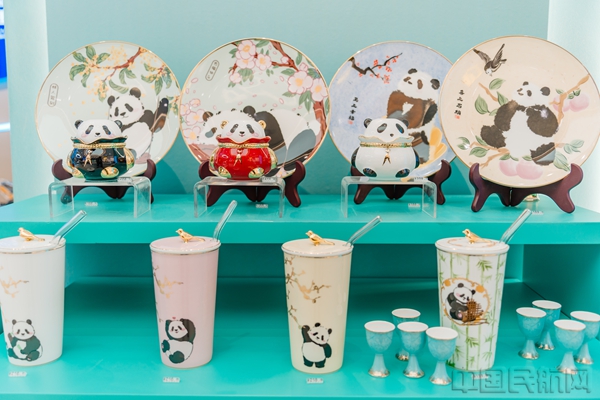
Core Viewpoint - The opening of the first "Su Pin Su Huo" collective store at Nanjing Lukou International Airport marks a significant step in showcasing Jiangsu's technological innovation and cultural heritage to global travelers [1][3]. Group 1: Store Overview - The store features a variety of products including smart cleaning devices, service robots, AI interactive devices, and traditional handicrafts such as High Chun ceramics and Nanjing Yunjin [1][3]. - It aims to provide a one-stop experience for travelers to appreciate Jiangsu's technological and cultural charm while waiting for flights [1]. Group 2: Strategic Focus - The project focuses on three main areas: local smart technology, intangible cultural heritage handicrafts, and specialty foods, positioning itself as a "technology reception hall" and "cultural display window" for Jiangsu [3][6]. - The store employs an innovative model combining "first store economy, hub traffic, technology display, and cultural dissemination" to transform the transportation hub into a platform for showcasing Jiangsu's achievements [5][6]. Group 3: Future Plans - The store is part of a broader initiative to deepen the "Su Xin Consumption" action and promote the creation of an international consumption city in Jiangsu [7]. - Future plans include continuously introducing new Jiangsu tech products, premier products, and local specialties to create an ongoing exhibition of Jiangsu's innovation and culture [7].
跨越千年的“转译”:南京与巴黎对话文化遗产的未来图景
Yang Zi Wan Bao Wang· 2026-02-12 12:23
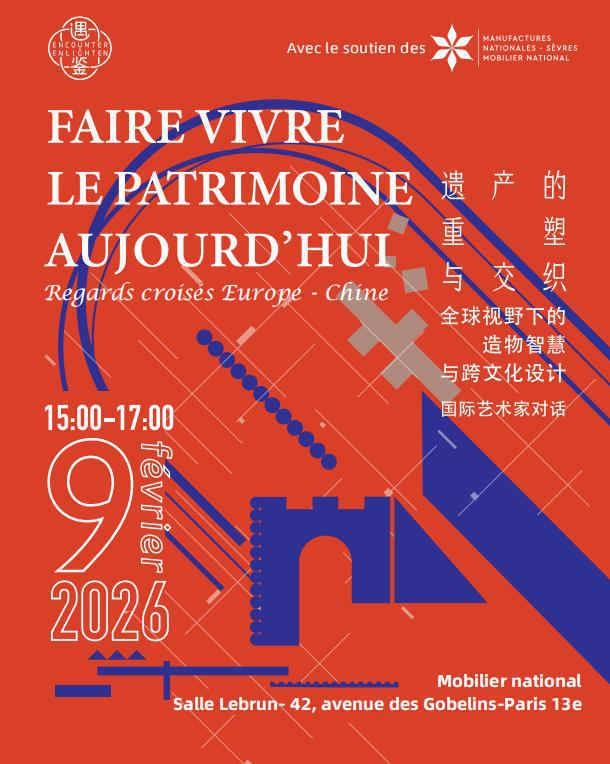
Core Insights - The event titled "Reconstructing and Interweaving Heritage" held in France aimed to explore how cultural heritage can thrive in modern society, using Nanjing as a case study [1][5] Group 1: Cultural Heritage and Modernization - Cultural heritage often faces a dilemma of being either displayed as static exhibits in museums or losing its authenticity due to commercialization [5] - Professor Hang Jian proposed the idea of "preserving genes and reconstructing language," suggesting that heritage preservation should focus on modern reinterpretation rather than mere replication [5][7] - The collaboration between Nanjing's Yun Jin inheritor Chen Cheng and international brands like GUCCI exemplifies how ancient techniques can be integrated into contemporary fashion, highlighting the need for intangible cultural heritage to be woven into modern aesthetics [7] Group 2: Dynamic Nature of Cultural Heritage - French designer Matali Crasset emphasized that cultural heritage is a dynamic resource that can inspire innovation and action, advocating for narratives that integrate heritage wisdom into daily life [7] - The importance of youth engagement in cultural heritage was highlighted, encouraging young people to reinterpret ancient wisdom creatively [10] Group 3: Technological Innovations in Heritage Protection - Nanjing's approach to heritage protection includes the use of a "monitoring and early warning platform" to address environmental challenges faced by the 25.1 km long city wall, showcasing the role of technology in preservation [9] - The "Grain Returns to Warehouse" project involved citizens collecting nearly 600,000 scattered bricks over ten years, fostering emotional connections between the public and history [9] Group 4: Collaborative Models for Heritage Preservation - The "government-university-society" collaborative model proposed by Nanjing Art Institute aims to integrate design education with industry needs, promoting interdisciplinary talent capable of addressing social issues through design [9] - Nanjing's "International Designer Residency Program" connects local heritage artisans with international designers, resulting in works that have been collected by top museums and collaborated with global brands [12] Group 5: Practical Pathways for Heritage Transmission - Nanjing's practices demonstrate a pragmatic response to modernization challenges, balancing commercial pressures with top-down design initiatives [12] - The approach emphasizes the importance of not solely relying on government funding but also mobilizing resources from universities, society, and enterprises to create a sustainable protection ecosystem [12][13] - The dialogue serves as a platform for showcasing Nanjing's unique cultural charm and innovative vitality, transforming cultural heritage from a burden of inheritance into a source of inspiration for creativity [13]
特色年集“特味儿”十足 “文化+消费”跨界融合为假日市场添“新”意
Yang Shi Wang· 2026-01-23 04:35
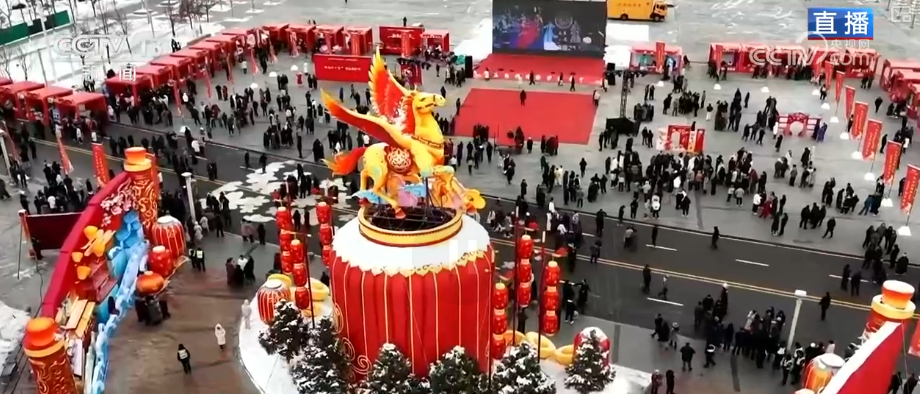
Core Viewpoint - The article highlights a vibrant cultural market in Yining, Xinjiang, showcasing over 160 booths with nearly a thousand unique items, promoting deep integration of culture and consumption [1]. Group 1: Cultural Exchange - The market features diverse ethnic specialties from Xinjiang and intangible cultural heritage projects and delicacies from 13 cities in Jiangsu Province, illustrating a blend of northern and southern cultural elements [6]. - The event serves as a platform for cultural exchange between Jiangsu and Xinjiang, demonstrating mutual appreciation and development despite being over 4,000 kilometers apart [21]. Group 2: Unique Products - Notable products include a traditional Kazakh hat adorned with owl feathers symbolizing bravery and purity [8]. - The market showcases exquisite products like essential oil soaps made from lavender, roses, and various fruits, reflecting the region's reputation as a land of flowers and fruits [10]. - Innovative food items such as "Nang bowls," which are edible bowls made from traditional bread, are gaining popularity [12]. Group 3: Culinary Delights - The market offers a variety of local foods, including Xinjiang dried fruits, organic grains, and Jiangsu specialties like tangyuan and duck blood vermicelli soup, providing a feast for both the eyes and the palate [24]. Group 4: Lantern Festival - A significant feature of the market is the integration of the famous Qinhuai Lantern Festival from Jiangsu, with over 200 types of lanterns created by artisans, enhancing the experience of visiting the market during the day and enjoying the lantern display at night [29].
焦点访谈|以文化为纽带 长江经济带书写高质量发展新篇章
Yang Shi Wang· 2026-01-07 13:14
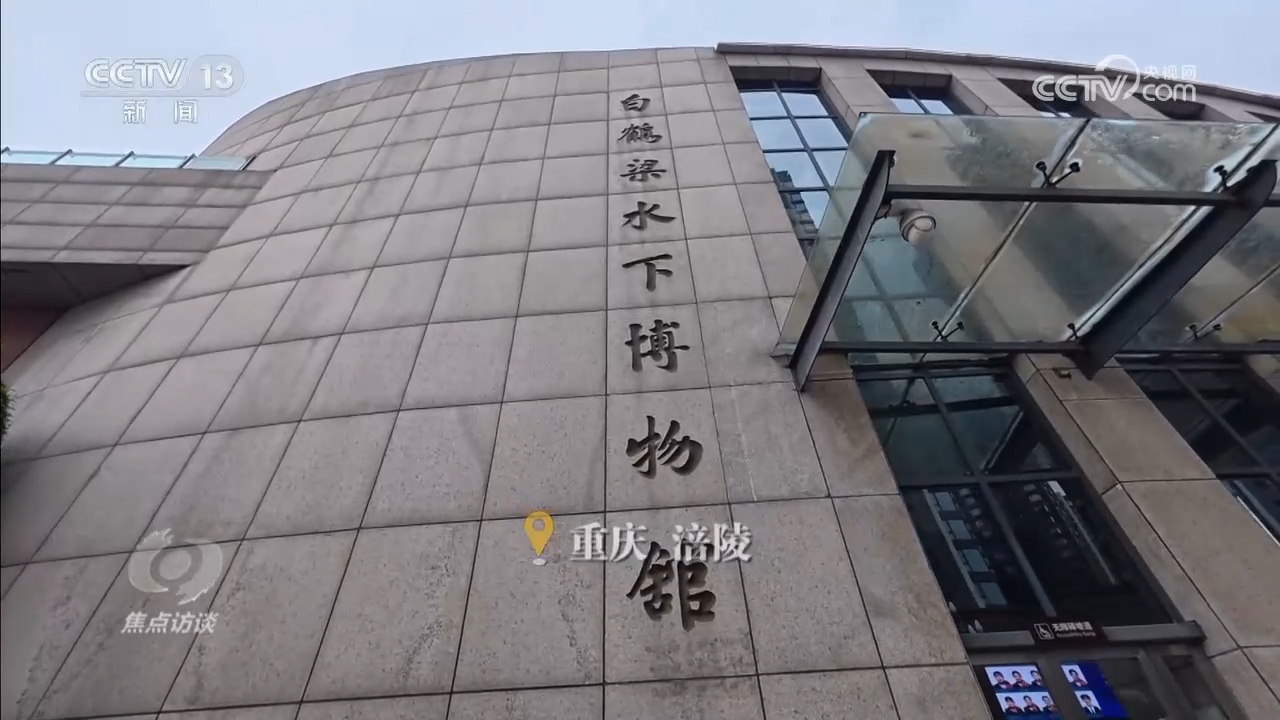
Core Viewpoint - The development of the Yangtze River Economic Belt over the past decade has been significantly influenced by cultural protection and transmission, showcasing a transformation that integrates historical heritage with modern technology and tourism [1][12]. Group 1: Cultural Heritage Protection - The Baidong Liang underwater museum has implemented innovative protection methods for ancient inscriptions, utilizing a "pressure-free container" principle to preserve cultural artifacts in situ [3][5]. - Over the past ten years, 1,335 cultural heritage protection projects have been completed in the Three Gorges area, with over 200,000 artifacts unearthed and 34 museums established [5][9]. - The integration of technology has enhanced the visibility and clarity of cultural relics, allowing for better public engagement and understanding of historical significance [5][12]. Group 2: Cultural Tourism Development - The Yangtze River cruise industry has evolved, with larger vessels and a more international tourist demographic, emphasizing cultural exploration along the river [7][9]. - The establishment of the "Beautiful Yangtze River Three Gorges Cultural Tourism Industry Alliance" aims to connect various districts along the river, promoting cultural tourism and enhancing visitor experiences [7][9]. - The construction of the Yangtze National Cultural Park has begun, integrating natural landscapes with historical narratives, particularly in cities like Jiujiang [9][10]. Group 3: Innovation in Traditional Crafts - The traditional craft of iron painting in Wuhu has seen a revival, with modern design techniques being introduced by younger artisans, leading to increased tourist interest and economic growth [10][12]. - The past decade has seen a shift from traditional apprenticeship to institutional training for crafts, with nearly 700 students trained in iron painting techniques [12][14]. - Various regions have explored innovative paths for intangible cultural heritage, integrating traditional crafts with modern market demands, thus ensuring their sustainability and relevance [14]. Group 4: Cultural Integration and Future Prospects - The Yangtze River culture reflects a blend of diverse traditions, showcasing the continuous evolution and innovation of Chinese civilization over the past 5,000 years [14]. - The ongoing cultural initiatives aim to create a vibrant cultural landscape that resonates with both historical significance and contemporary relevance, fostering a shared national identity [14].
以赛为媒赋能乡村振兴 我市乡土人才“从从容容”秀绝活
Nan Jing Ri Bao· 2025-12-01 02:17
Core Viewpoint - The eighth local talent skills competition in Nanjing aims to promote innovation and entrepreneurship while supporting rural revitalization through various traditional and modern skill showcases [1][3]. Group 1: Event Overview - The competition features seven major categories, including online live streaming, pottery, carving, bonsai making, weaving, agricultural product quality inspection, and rural entrepreneurship [1]. - The event is co-hosted by multiple local government departments, emphasizing the importance of showcasing local talent and skills [1]. Group 2: Online Live Streaming Highlights - Online live streaming emerged as a key highlight, with participants promoting rural specialty products through engaging presentations and interactions with the audience [2]. - Contestants demonstrated strong on-the-spot response abilities when faced with challenging questions from judges, showcasing their preparedness and communication skills [2]. Group 3: Traditional Craftsmanship - The competition included a focus on traditional crafts, particularly Nanjing Yunjin (cloud brocade), where participants had to create designs under time constraints, highlighting both skill and creativity [2]. - Various traditional handicrafts such as patchwork, plush flowers, embroidery, bamboo weaving, knotting, and tie-dyeing were also featured, showcasing the diversity of local craftsmanship [2]. Group 4: Talent Development and Support - The competition serves as an important platform for nurturing local talent, having successfully held seven editions and awarded nearly 300 participants [3]. - Nanjing has established several provincial and municipal-level talent inheritance demonstration bases and master studios, providing robust support for rural revitalization efforts [3].
200余件/套织金珍品首次亮相成都!“金线”特展全球首站在成博开启
Sou Hu Cai Jing· 2025-11-29 16:41
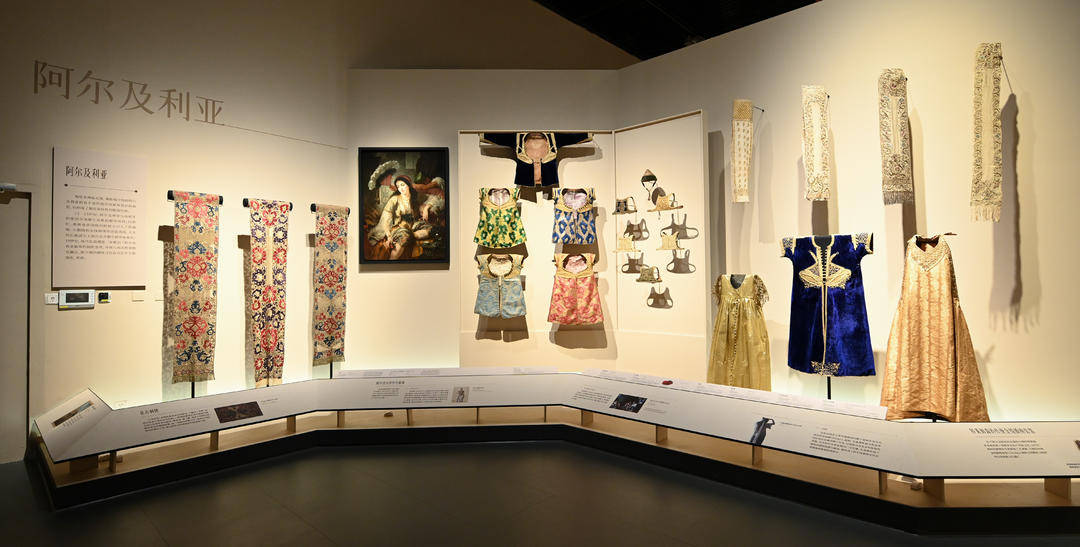
Core Viewpoint - The exhibition "Gold Thread: The Golden Fashion from North Africa to East Asia" opened on November 30 at Chengdu Museum, showcasing over 200 gold-threaded artifacts from various cultural institutions, marking the first stop of a global tour and the only one in China [1][3]. Summary by Sections Exhibition Overview - The exhibition features a rich collection of gold-threaded textiles, highlighting the artistic and cultural exchanges along the Silk Road, with a focus on the interplay of gold and silk [3][10]. - It is organized into five thematic units that explore the evolution and integration of gold-threaded art across different regions and time periods [3][5]. Thematic Units - The five units include: 1. "Golden Glow: Bright Attire of Maghreb" 2. "Starry Sands: Gold Thread Art of the Middle East" 3. "Arabian Weaving: Aesthetic of Faith from the Arabian Peninsula" 4. "Fragrant Silks: Golden Attire of India and Southeast Asia" 5. "Golden Memories of Eastern Silk Countries" [3][5]. Cultural Significance - The exhibition illustrates how gold thread has been a symbol of power and luxury across various cultures, from the Ottoman Empire to the Arab Peninsula, and highlights the fusion of Eastern and Western fashion [5][10]. - Notable artifacts include wedding garments and ceremonial attire that reflect the cultural heritage and craftsmanship of their respective regions [5][9]. Artistic Dialogue - The exhibition emphasizes the dialogue between Eastern and Western cultures, showcasing pieces like the half-sleeve garment that combines Chinese and Persian textile techniques, representing the historical trade and cultural exchanges [10][12]. - It also features contemporary haute couture by renowned designer Guo Pei, integrating traditional techniques with modern design [12]. Duration and Location - The exhibition will run until March 29, 2026, at Chengdu Museum, a significant cultural hub on the ancient Silk Road [12].
“国际化消费环境建设试点”叠加“消费新业态新模式新场景试点”
Nan Jing Ri Bao· 2025-11-24 02:37
Core Viewpoint - Nanjing has been selected as a pilot city for both "International Consumption Environment Construction" and "New Consumption Formats, Models, and Scenarios," highlighting its strong consumer base and innovative development potential [1][2]. Group 1: International Consumption Environment - Nanjing is the only city from Jiangsu province included in the list of 15 cities for the international consumption environment pilot program [1]. - The city aims to enhance its international consumption supply by optimizing international consumption carriers and implementing renovation projects in areas like Mendo and Xinanli [1][2]. - Nanjing plans to create international characteristic consumption clusters and promote inbound consumption capabilities [1][2]. Group 2: International Payment and Services - The city will optimize international payment systems to achieve full coverage of foreign card POS machines and digital payments in major public areas [2]. - Nanjing will enhance its outbound shopping experience by upgrading tax refund services and supporting local brands in duty-free shops [2]. - The city aims to improve multilingual service systems and develop international service talent to better serve foreign visitors [2]. Group 3: International Connectivity - Nanjing will enhance its international transportation network by establishing direct flights to key regions such as Japan, Southeast Asia, Europe, and the Middle East [2]. - The city will strengthen its international communication network and continue hosting events like "China Nanjing Week" to promote global engagement [2]. - Nanjing will leverage national-level exhibitions to boost international economic and trade cooperation [2]. Group 4: New Consumption Formats and Financial Support - The central government will provide financial support to pilot cities, with Nanjing eligible for a total of 4 billion yuan during the implementation period of the "New Consumption Formats" pilot [3]. - The funding will focus on enhancing the first-release economic service system, innovating diverse service consumption scenarios, and supporting collaborations between quality consumption resources and well-known IPs [3]. - Nanjing plans to develop a unique path for the pilot project, emphasizing a three-pronged approach of policy, carriers, and platforms [3]. Group 5: Comprehensive Service Consumption - The city aims to create a five-dimensional integrated service consumption scenario that covers all areas, times, industries, ages, and chains [4]. - Nanjing has been recognized as a national-level pilot city for various service industry standards and modern commercial circulation systems, receiving significant financial support [4]. - The city is seizing opportunities to innovate and advance its status as an international consumption center, contributing to high-quality economic development [4].
江苏多项指标位居全国第一
Xin Hua Ri Bao· 2025-09-22 14:46
Group 1 - Jiangsu has been advancing the "Quality Jiangsu" initiative, optimizing quality supply across the province, with multiple indicators ranking first nationally, thereby strengthening the economic foundation [1] - The province has initiated the 2025 Provincial Quality Award evaluation, focusing on key industrial chains with 15 quality comparison and tackling projects, and involving 29 counties in quality enhancement activities [1] - Jiangsu has established a brand protection mechanism, aiding key enterprises like Nanjing Yunjin Research Institute and Bosideng Group in successfully safeguarding their brands, with 11 brands selected as the first batch of Chinese consumer brands, the highest in the country [1] Group 2 - The province has revised the "Jiangsu Provincial Agricultural Product Quality Safety Regulations" and is exploring traceability for key industrial products, collecting over 534,000 pieces of information on electric bicycle production [2] - Jiangsu has launched a three-year action plan to optimize the consumer environment, establishing 13 provincial-level consumer education experience stations and adding 3,000 offline no-reason return merchants [2] - The province has seen the addition of 2,139 chief quality officers in enterprises this year, with financing support for over 9,700 companies amounting to nearly 40 billion yuan [2] Group 3 - A favorable ecosystem is forming in Jiangsu, driven by industrial demand, leading enterprises, international market benchmarking, and financial support, as highlighted in the recent China Quality (Nanjing) Conference [3] - The Jiangsu Market Supervision Bureau is coordinating efforts to build quality platforms, promoting high-quality products and services to flow freely in broader markets [3]
“宁”聚创新 “质”赢未来——江苏南京加快打造以质量赋能新质生产力发展的重要阵地
Zhong Guo Zhi Liang Xin Wen Wang· 2025-09-12 04:44
Core Viewpoint - Nanjing is committed to quality improvement as a key driver for innovation and development, establishing itself as a model city for quality enhancement in various sectors [1][18]. Quality-Driven Enterprises - Nanjing promotes quality-driven enterprises through policies that encourage participation in quality awards and the establishment of a quality credit rating system, resulting in 70 enterprises receiving "Jiangsu Quality" certification [2][4]. - The city has recognized 34 enterprises and 26 individuals with the Mayor's Quality Award, covering key sectors such as software, smart grids, and biomedicine [2]. Quality Service Hubs - The "Quality Station" initiative provides comprehensive services including measurement, standards, certification, and intellectual property support to over 20,000 small and micro enterprises [3][8]. - Nanjing has established 140 high-value patent cultivation demonstration centers, ranking third in the nation for the number of high-value patents [4]. Quality Chain Strengthening - Nanjing focuses on enhancing quality as a foundation for industrial advancement, aiming to build a robust industrial ecosystem through quality improvement initiatives [5][6]. - The city has implemented a strategic plan to develop advanced manufacturing clusters, with a goal of creating multiple billion-dollar industry clusters [5]. Quality and Innovation Integration - Nanjing fosters collaboration among manufacturers, research institutions, and users to create quality innovation alliances, enhancing the competitiveness of its industrial quality [6][19]. - The city has established 63 innovation alliances, driving breakthroughs in key technologies across various industries [6]. Regional Quality Development - Nanjing integrates quality concepts into regional development, with districts like Jianye and Pukou recognized for their quality initiatives [8][9]. - The city emphasizes public safety and consumer protection, achieving a 95% compliance rate in quality supervision for consumer goods [9]. Brand Empowerment in Agriculture - Nanjing promotes agricultural brand development to enhance quality and drive rural revitalization, with several local products gaining national recognition [10]. Quality Awareness and Education - The city fosters a culture of quality through community engagement and educational initiatives, ensuring that quality becomes a fundamental aspect of daily life [11]. Quality Infrastructure Development - Nanjing enhances its quality infrastructure by establishing standards, measurement systems, and testing services to support industrial growth [15][16][17]. - The city has developed a comprehensive testing and certification service network, facilitating quality control for various industries [17].