
秦淮灯彩

Search documents
欧洲小镇过上“中国年”
Xin Lang Cai Jing· 2026-02-15 21:13
Core Viewpoint - The annual "Chinese Carnival" in Dietfurt, Bavaria, showcased the "Glowing Nanjing" light display, highlighting cultural exchange between China and Germany [1] Group 1: Event Overview - The event attracted thousands of local residents and tourists, with participation from various sectors including politics, business, culture, and religion [1] - The parade featured vibrant Qinhuai lanterns symbolizing the shared aspirations for a better life between the Chinese and German people [1] Group 2: Cultural Significance - A notable highlight was the "Little Scholar" Qinhuai lantern art installation, designed with themes of academic success and auspiciousness, embodying traditional Chinese values [1] - The installation, standing at 2.3 meters, depicted a child in traditional attire, symbolizing the dual blessings of academic achievement and good fortune for the upcoming Lunar New Year [1] Group 3: Lanterns and Craftsmanship - The parade included zodiac lanterns for the Year of the Horse and traditional lotus lanterns, symbolizing vitality and cultural heritage [2] - All lanterns were meticulously crafted by a Nanjing intangible cultural heritage team, showcasing the century-old techniques of Qinhuai lantern making [2] - The artisans expressed a desire for Qinhuai lanterns to promote Chinese culture and foster international friendships through such exchanges [2]
让世界看见南京:秦淮灯彩“出海”记
Xin Lang Cai Jing· 2026-02-14 13:30
Core Viewpoint - The "Qinhuai Lantern Festival" has successfully showcased Chinese culture in over 50 countries, with recent events in France highlighting its cultural significance and innovative approach to international cultural exchange [3][10][15]. Group 1: Event Highlights - The "Encounter·Appreciation" Chinese New Year event at UNESCO headquarters featured the Qinhuai Lanterns, symbolizing cultural harmony and celebrating the Lunar New Year [1][3]. - The festival attracted over 400 attendees, including diplomats and cultural figures, emphasizing its international appeal [3][8]. - The Qinhuai Lanterns, known for their intricate craftsmanship, captivated guests, showcasing traditional techniques and cultural narratives [5][7]. Group 2: Cultural Impact - The Qinhuai Lanterns have illuminated the night skies of more than 50 countries, evolving from simple exhibitions to a mature model of cultural integration abroad [10][12]. - The upcoming "Brilliant China (Serre-Nanjing) Qinhuai Lantern Festival" in November 2024 marks a significant cultural exchange event, coinciding with the 60th anniversary of Sino-French diplomatic relations [10][12]. - The festival in Serre attracted approximately 200,000 visitors, demonstrating its effectiveness in promoting Chinese culture and boosting local tourism [11][12]. Group 3: Economic Aspects - The festival's ticket revenue reached around 2 million euros, with total earnings exceeding 3 million euros, indicating a successful market-oriented approach [12]. - The event's success is attributed to precise adaptation to local contexts and sustainable operational strategies, including the integration of modern technology and immersive experiences [12][14]. Group 4: Cultural Significance - The Qinhuai Lanterns represent a rich historical legacy, embodying themes of reunion and harmony, which resonate universally [13][14]. - The festival's approach balances tradition with innovation, ensuring the preservation of craftsmanship while adapting to contemporary cultural expressions [14][15]. - The emotional connection fostered through the lanterns highlights their role as cultural ambassadors, facilitating dialogue and understanding across cultures [14][15].

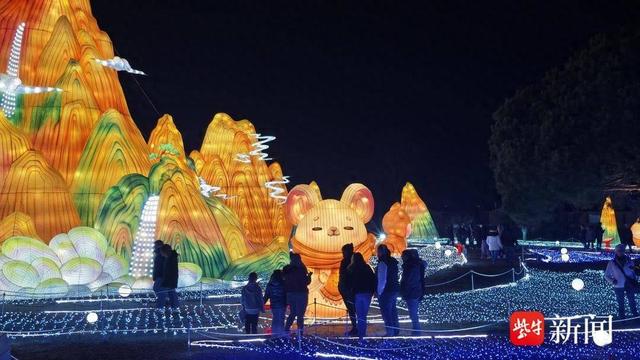
热气腾腾的中国年│让世界看见南京:秦淮灯彩“出海”记
Xin Lang Cai Jing· 2026-02-14 11:24
Core Insights - The article highlights the successful cultural exchange represented by the Qinhuai Lantern Festival, which has illuminated over 50 countries and regions globally, showcasing Chinese culture and aesthetics [3][5][9] Group 1: Event Overview - The "Encounter·Appreciation" Chinese New Year event was launched at UNESCO headquarters in Paris, featuring the theme "Dragon and Horse Present Auspiciousness" [1] - The event attracted over 400 attendees, including diplomats, UNESCO officials, and cultural figures, emphasizing the significance of cultural dialogue [3][5] Group 2: Cultural Impact - Qinhuai Lanterns have become cultural ambassadors, facilitating dialogue and resonance among diverse audiences, transforming from mere exhibits to interactive experiences [5][9] - The lantern festival's international journey has evolved from simple exhibitions to a mature model of cultural integration and ecological establishment abroad [5][6] Group 3: Economic Aspects - The upcoming "Brilliant China (Sere—Nanjing) Qinhuai Lantern Festival" in November 2024 aims to celebrate the 60th anniversary of Sino-French diplomatic relations, marking a significant cultural transplantation [6][8] - The festival in Sere attracted approximately 200,000 visitors over three months, generating around 2 million euros in ticket revenue and over 3 million euros in total income, showcasing a sustainable market approach [8][9] Group 4: Cultural Heritage and Innovation - The success of the Qinhuai Lantern Festival is attributed to its historical depth, innovative expressions, and emotional resonance, allowing it to connect deeply with audiences [9][11] - The festival maintains traditional craftsmanship while integrating modern technology, ensuring authenticity and cultural relevance in a globalized context [11][12]
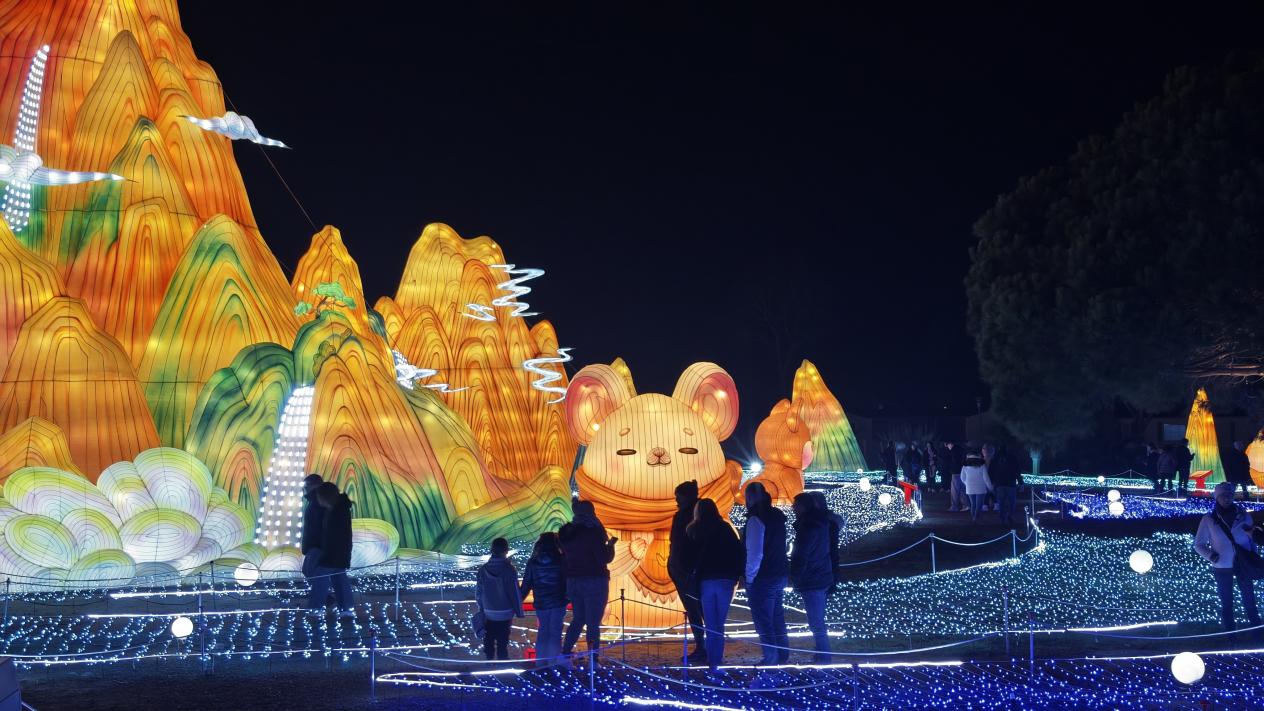
秦淮灯彩闪耀法兰西:非遗出海,点亮中法文化年
Xin Lang Cai Jing· 2026-02-08 11:21
Core Insights - The second China-France Balcarres-Qinhuai Lantern Festival commenced in Perpignan, France, as part of the "Encounter and Appreciation" Chinese New Year theme activities, running until February 28, 2026, covering Christmas, New Year, and the Chinese Lunar New Year [1][2] Group 1: Event Overview - The lantern festival features seven thematic areas, 29 large lantern groups, and thousands of colorful lights, creating a dreamlike visual experience [1] - The main lantern group, themed around the "Twelve Zodiac Competition," stands at 13 meters tall, showcasing traditional Chinese aesthetics [1] - The event has attracted nearly 190,000 visitors from France and neighboring Spain since its opening [1] Group 2: Cultural Significance - The festival represents a significant chapter in the global outreach of the Qinhuai Lantern, a national intangible cultural heritage with over 1,700 years of history [2] - The Qinhuai Lantern Festival has expanded to over 50 countries and regions, evolving from a local celebration to a global cultural IP [2] - The first "Brilliant China (Serre-Nanjing) Qinhuai Lantern Festival" in 2024 is expected to attract around 200,000 visitors and generate approximately 3 million euros in revenue, highlighting deepening cultural exchanges between China and France [2]
在660多岁的城墙下过中国年 亲手体验非遗,是真正的“开门红”!
Xin Lang Cai Jing· 2026-02-01 17:15
Core Viewpoint - The event showcased various intangible cultural heritage (ICH) projects, emphasizing the importance of making traditional culture accessible and engaging for the public, particularly the younger generation [2][4]. Group 1: Event Highlights - Multiple ICH projects, including hand lion dance and qilin dance, were performed, creating a festive atmosphere for attendees [1]. - An interactive market featuring eight ICH projects allowed visitors to experience traditional crafts firsthand, enhancing cultural appreciation [1][4]. - The sugar painting booth was particularly popular, with children actively participating and enjoying the sweet creations [2]. Group 2: Cultural Engagement - The transmission of ICH relies on its integration into daily life, as expressed by the hand lion dance inheritor, who emphasized the need for public visibility and engagement [2]. - Foreign participants, including students from Ghana and Sri Lanka, engaged in traditional crafts, highlighting the cross-cultural appreciation of ICH [3]. - The event served as a platform for cultural dialogue, showcasing the significance of traditional arts in modern society [3]. Group 3: Hands-On Experiences - Visitors learned to create mini plush flowers and clay figurines, gaining insight into the complexity of these traditional crafts [4]. - The paper-cutting and lantern-making activities attracted families, allowing children to experience the joy of creating traditional art [4][5]. - The printing technique of Jinling Kejing was demonstrated, with international students expressing excitement over their creations, furthering their understanding of Chinese culture [7]. Group 4: Educational Impact - The event was described as a living platform for ICH, aiming to instill cultural identity in the youth through immersive experiences [7]. - Participants expressed a sense of accomplishment and joy from creating their own traditional crafts, reinforcing the educational value of such events [4][7].
巧手寄情 辞旧迎新
Xin Lang Cai Jing· 2026-01-31 19:29
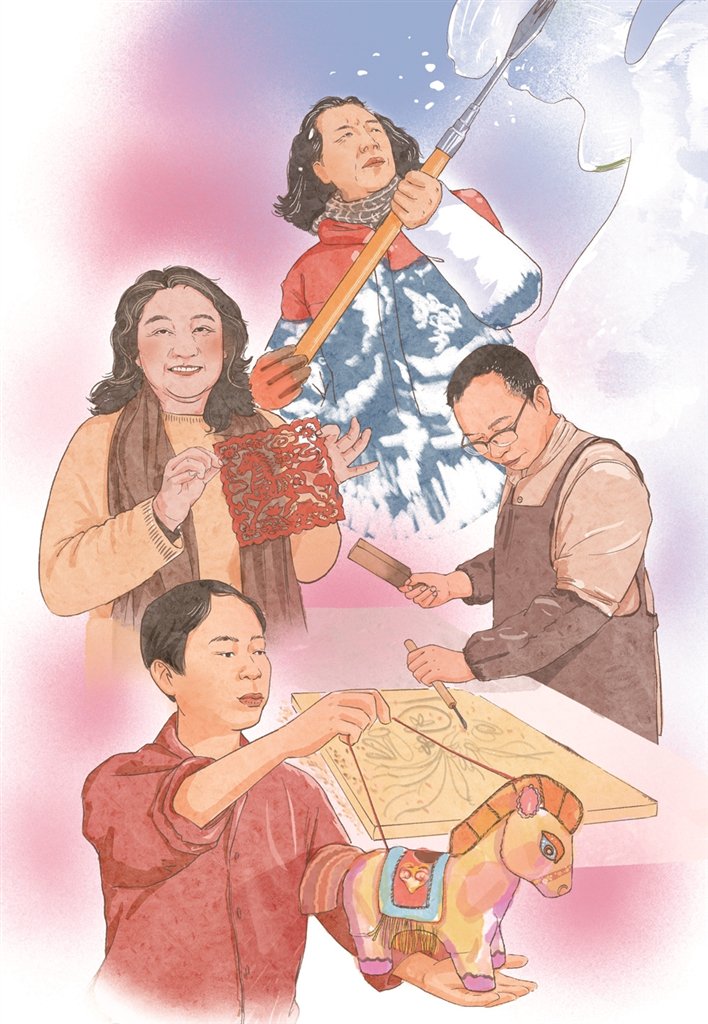
Core Viewpoint - The articles highlight the significance of traditional Chinese cultural practices related to the Spring Festival, focusing on the craftsmanship and innovation of various artisans in non-material cultural heritage projects such as lantern making, woodblock painting, ice sculpture, and paper cutting. Group 1: Lantern Making (Qinhuai Lanterns) - Chen Baihua, a national representative inheritor of Qinhuai Lanterns, innovated by creating a black horse lantern, breaking traditional color norms to present a modern aesthetic [4][5] - The lantern-making process involves meticulous adjustments and a commitment to both tradition and innovation, ensuring that the art form remains relevant to contemporary tastes [5][8] - Chen's notable work includes a large dragon lantern that has become a lasting symbol of the city, showcasing the intricate design and craftsmanship involved in lantern making [6][7] Group 2: Woodblock Painting (Mianzhu Woodblock Paintings) - Hu Guangkui, a provincial representative inheritor of Mianzhu woodblock paintings, is designing a new piece featuring a horse, symbolizing prosperity for the upcoming year [10][11] - Mianzhu woodblock painting is recognized for its vibrant colors and simple lines, embodying the festive spirit of Chinese culture [11][12] - Hu has developed a new technique called "ink color painting," merging traditional methods with modern aesthetics to attract younger audiences [12] Group 3: Ice Sculpture - Zhang Weihong, a provincial representative inheritor of ice sculpture techniques, emphasizes the importance of understanding the material's properties to create intricate designs [14][15] - The process of ice sculpting is described as a form of subtraction, requiring precision and adaptability to the material's characteristics [15][16] - Zhang is integrating modern technology, such as AI and 3D printing, into the design process to enhance the artistic expression and reproducibility of ice sculptures [16] Group 4: Paper Cutting (Yanchuan Paper Cutting) - Liu Jieqiong, a national representative inheritor of Yanchuan paper cutting, engages in teaching and promoting the craft among local women, ensuring its survival and relevance [18][19] - The art of paper cutting is portrayed as a means of expressing emotions and cultural narratives, with Liu's designs reflecting traditional themes and contemporary interpretations [19][20] - Liu's initiatives, such as the "Clever Wife Project," aim to empower local women through craft, creating economic opportunities while preserving cultural heritage [20]
玄武湖家门口非遗花灯开卖
Xin Lang Cai Jing· 2026-01-31 15:24
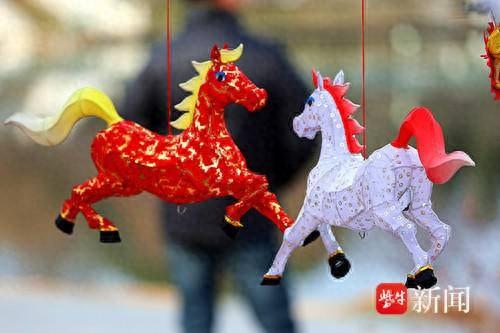
Group 1 - The core event is the launch of the 2026 "Water Rhythm Jiangsu • Enjoy Intangible Cultural Heritage at Home" themed series of activities, organized by the Jiangsu Provincial Department of Culture and Tourism [1] - The event took place at Xuanwu Lake and featured 100 intangible cultural heritage projects showcasing "Year of the Horse" themed works, with Qinhuai Lanterns being particularly prominent [1] - The horse-shaped lantern creations were vividly designed, enhancing the festive atmosphere of the New Year [1]
500人入境旅游团来宁,规模为2019年以来最大
Nan Jing Ri Bao· 2026-01-26 02:46
Group 1 - The core viewpoint of the news is that Nanjing has welcomed a significant influx of inbound tourism, marking the largest group since 2019, with 500 guests from over 40 countries and regions visiting the city during the New Year period [1][2][3] Group 2 - The inbound tourism group consists of high-end conference and incentive travelers, with 300 guests entering through Shanghai and 200 through Nanjing [2] - The guests stayed for 5 days and 4 nights in high-quality hotels, with dining standards significantly higher than typical group tours, indicating a strong economic impact on local tourism-related industries [2] - The successful recruitment of this group is attributed to a young inbound tourism company in Nanjing, which has benefited from government incentives aimed at promoting inbound tourism [3]
千年灯影中凝聚“中华民族一家亲”
Xin Lang Cai Jing· 2026-01-23 21:55
Core Viewpoint - The 40th China Qinhuai Lantern Festival highlights the theme "A Thousand Years of Lanterns Shine on Jinling, A New Journey Begins" and emphasizes the cultural unity of the Chinese nation through various artistic displays and interactions among different ethnic groups [1][2]. Group 1: Festival Highlights - The festival features a total of 48 lantern displays across seven thematic areas, showcasing traditional craftsmanship from various regions such as Foshan, Quanzhou, and Suzhou, creating a scenic experience for visitors [2]. - A prominent lantern display, "Crimson Flame Steed," stands 15 meters tall and 28 meters wide, symbolizing the spirit of progress and unity among different cultures [2]. Group 2: Cultural Significance - The festival serves as a platform for ethnic exchanges, promoting the idea of "Chinese nation as one family" and fostering a sense of community among diverse groups [2][3]. - The event is recognized as a model for national unity and progress, integrating the awareness of the Chinese national community into traditional festivities [2].
秦淮灯会如何点亮“超级IP”之路
Xin Hua Ri Bao· 2026-01-21 02:47
Core Insights - The Qinhuai Lantern Festival has evolved from a folk activity into a significant cultural IP over its 40-year history, reflecting both historical craftsmanship and modern cultural consciousness [1][11] - The festival is deeply intertwined with the cultural heritage of Nanjing, showcasing the art of Qinhuai lanterns, which has a history of over 1,700 years and was recognized as a national intangible cultural heritage in 2006 [2][6] Historical Context - The first Qinhuai Lantern Festival was held in 1986 as part of efforts to revitalize the historical and cultural significance of Nanjing, particularly around the Confucius Temple area [3][2] - The festival has become a collective memory for generations of Nanjing residents, symbolizing the festive spirit of the New Year [3][4] Cultural Significance - The lanterns serve as a medium for cultural expression, with designs that resonate with local traditions and modern interpretations, such as the zodiac-themed lanterns for the Year of the Horse [4][10] - The festival not only preserves traditional craftsmanship but also adapts to contemporary cultural narratives, creating a unique experience for visitors [10][11] Economic Impact - The Qinhuai Lantern Festival significantly boosts local tourism, with projections indicating over 5 million visitors and tourism revenue exceeding 5 billion yuan during the 2025 Spring Festival [11] - The festival is transitioning from merely showcasing culture to providing cultural services, exemplified by successful projects like the Hai'an New Year Lantern Festival [11] Innovation and Challenges - The festival faces the challenge of balancing cultural preservation with the demands of modern industry, as seen in the comparison with the Sichuan-based Zigong Lantern Festival, which has a more industrialized approach [9][10] - Innovations such as integrating LED technology with traditional lantern-making techniques are being explored to enhance the festival experience while maintaining cultural integrity [10][11] Global Reach - Qinhuai lanterns have been showcased in over 50 countries, contributing to cultural exchange and promoting Nanjing's heritage on an international stage [8] - The festival's global presence reflects a broader trend of cultural products transcending local boundaries, fostering emotional connections through shared cultural narratives [8]