
南非葡萄酒

Search documents
关税归零,南非葡萄酒将成为下一个“性价比之王”?
Sou Hu Cai Jing· 2026-02-23 04:06
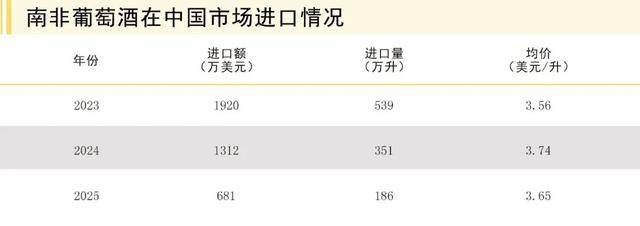
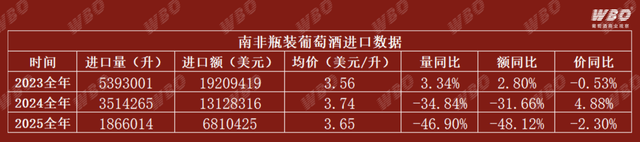
Core Viewpoint - China and South Africa have signed a framework agreement to develop an economic partnership, aiming for a "early harvest agreement" by March 2026, which will allow South African wine to enter China with zero tariffs, potentially reshaping the market dynamics for South African wine in China [1]. Group 1: Current Market Situation - South African bottled wine exports to China were 1.86 million liters with a value of 6.81 million USD in 2025, ranking 11th among wine import sources, accounting for only 0.50% of total wine imports [2]. - The import volume and value of South African wine have decreased significantly, with a 47.03% drop in volume and a 47.61% drop in value compared to 2024 [2]. - In 2023, the import value of South African wine was 19.2 million USD, which has shrunk by over 60% in two years, indicating a clear downward trend in the Chinese market [3]. Group 2: Tariff Policy Impact - Currently, South African wine faces a total tax rate of approximately 43%, including a 14% import duty, a 10% consumption tax, and a 13% value-added tax. The zero-tariff policy will align South Africa with countries like Australia, Chile, and New Zealand [4]. - The removal of tariffs could reduce the cost of a bottle of wine by approximately 14 RMB, allowing for a nearly 10% adjustment in retail prices [4]. Group 3: Brand and Channel Challenges - Despite favorable policies, South African wine suffers from low brand recognition among Chinese consumers, with few notable brands beyond KWV, limiting market penetration [5]. - The temporary growth experienced in 2023 due to the absence of Australian wine quickly diminished as Australian wine resumed exports in 2024, highlighting the vulnerability of South African wine's market position [5]. - Limited distribution channels hinder growth, as Australian wine dominates sales in group purchases and premium restaurants, making it difficult for South African wine to enter mainstream retail [5]. Group 4: Opportunities in Pricing - The zero-tariff policy presents a new opportunity for South African wine, particularly in the entry-level price segment under 100 RMB, where wines like KWV's Chenin Blanc have shown strong sales potential [6]. - The brand has also entered instant retail platforms, which could help amplify its high cost-performance advantage and build consumer awareness [7]. Group 5: Unique Varietals and Market Education - South Africa's unique Pinotage variety, combining "Old World craftsmanship with New World style," could appeal to the increasingly diverse tastes of Chinese consumers if marketed effectively [9]. - Continued deepening of China-Africa economic cooperation, with China being Africa's largest trading partner for several years, provides macro-level support for South African wine, potentially lowering entry barriers through investment and trade facilitation measures [9]. - Overall, while the zero-tariff policy offers significant cost support and a competitive starting point for South African wine in China, substantial improvements in market share will require ongoing efforts in brand development, channel expansion, and varietal education [9].

零关税后南非葡萄酒将有何新变化?
Sou Hu Cai Jing· 2026-02-12 11:21
Core Viewpoint - South Africa is set to benefit from a zero-tariff policy for wine exports to China, enhancing its competitiveness in the Chinese market and potentially altering the domestic wine market landscape [1][2]. Group 1: Zero Tariff Implementation - The zero-tariff policy for South African wine is expected to be implemented by the end of March 2026, aligning South Africa with other countries like Australia, Chile, and New Zealand in terms of tariff levels [2]. - Currently, bottled wine from South Africa faces a 14% import tariff, while bulk wine incurs a 20% tariff, leading to comprehensive tax rates of 43.14% and 50.67% respectively [2]. - Even with the removal of tariffs, South African wine will still be subject to a 10% consumption tax and a 13% value-added tax, maintaining a similar tax structure to other major import sources [2]. Group 2: Market Impact and Cost Structure - For example, a South African wine priced at 100 yuan per bottle would see its total cost drop from approximately 142 yuan to 128 yuan after the tariff removal, representing a 10% decrease in cost [3]. - In 2025, South Africa's bottled wine imports to China are projected to be around 1.866 million liters, with an import value of approximately 6.81 million USD, reflecting a significant decline in both volume and value compared to previous years [3][4]. - The overall market presence of South African wine in China remains limited, with a need for improved channel coverage and consumer awareness [5]. Group 3: Challenges and Competitive Landscape - Despite the tariff reduction, South African wine faces challenges such as limited consumer recognition, strong competition from established wine-producing countries, and a reliance on smaller distribution channels [12][13]. - The current market positioning of South African wine is primarily as a "high cost-performance" option, with mainstream products priced under 300 yuan [8]. - The lack of strong, recognizable brands and effective market education hampers the growth potential of South African wine in China [12][13]. Group 4: Future Strategies - To enhance market presence, South African wine must focus on brand building, channel development, and effective communication of its unique qualities to consumers [12][13]. - The competitive landscape is dominated by countries with established brand systems, and South Africa needs to differentiate itself beyond just pricing strategies [13].
第二十六届中国中部农博会签约销售超140亿元
Zhong Guo Xin Wen Wang· 2025-11-17 11:17
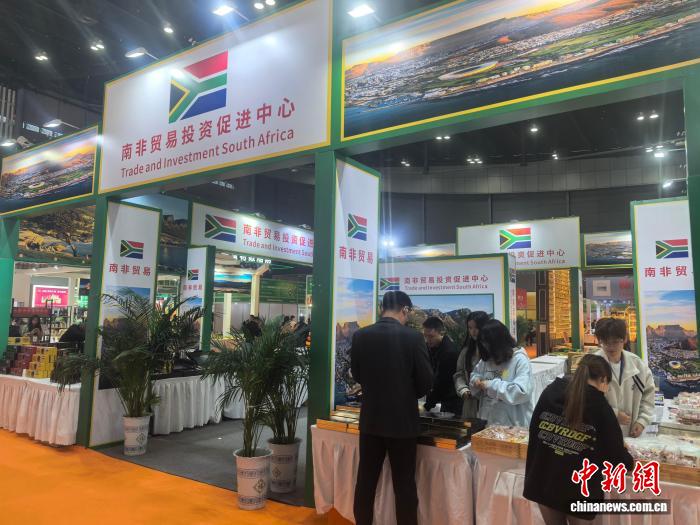
Core Insights - The 26th China Central Agricultural Expo concluded with a total signed sales amount of 134.16 billion RMB, alongside on-site sales exceeding 600 million RMB, attracting 189,000 visitors [1][1][1] Group 1: Event Overview - The expo lasted for four days and featured over 30,000 agricultural products from more than 100 foreign enterprises across 15 countries, as well as exhibitors from 17 provinces and regions in China [1][1] - Notable products included high-quality items such as Lao coffee, South African wine, Thai fragrant rice, and Vietnamese cashews, which sparked consumer enthusiasm [1][1] Group 2: International Participation - The Vietnamese pavilion reported on-site sales of 260,000 RMB and secured intention orders for cashews worth 54 million RMB [1][1] - The Lao pavilion's turmeric powder and coffee received positive attention from buyers and the public, with representatives expressing hopes to introduce more Lao products to the Chinese market [1][1] Group 3: Regional Agricultural Strength - Hunan, as the host of the expo, ranks first in China for rice area and production, with significant outputs in pigs, oil tea, vegetables, and aquatic products, providing stable and high-quality raw materials for agricultural development [1][1] - Hunan's agricultural product processing industry is robust, maintaining the highest export value in the central and western regions of China [1][1]
多国农产品汇聚长沙 中部农博会促“买卖全球”
Zhong Guo Xin Wen Wang· 2025-11-15 12:51
Core Insights - The 26th Central China (Hunan) Agricultural Expo showcases over 30,000 agricultural products from more than ten countries and regions, with an exhibition area of 80,000 square meters and participation from over 3,500 enterprises [1][3] Group 1: International Participation - Laos and South Africa are the guest countries, featuring their unique agricultural products such as packaged rice and coffee, aiming to establish long-term partnerships with local enterprises [3] - African merchants, including those from Ghana, express interest in finding stable partners in China to promote their products like shea butter and black soap [3] Group 2: Business Networking - Major retailers like Walmart, Sam's Club, Metro, and Hema are actively engaging with exhibitors to facilitate direct communication and mutual benefits [3] - The organizing committee has prepared multilingual support to enhance international exchanges, ensuring effective communication among participants [3] Group 3: Export Initiatives - The expo promotes Chinese enterprises to expand internationally, exemplified by the "Xiangqi Going Global" event aimed at connecting Hunan products with Southeast Asian and European markets [4] - The event has a history of 26 years, showcasing over 280,000 agricultural products and achieving a transaction volume exceeding 280 billion yuan, with over 23 million visitors [6]

进博会南非展品抵沪 海上“换乘”享受绿通入境
Yang Shi Xin Wen· 2025-10-18 05:47
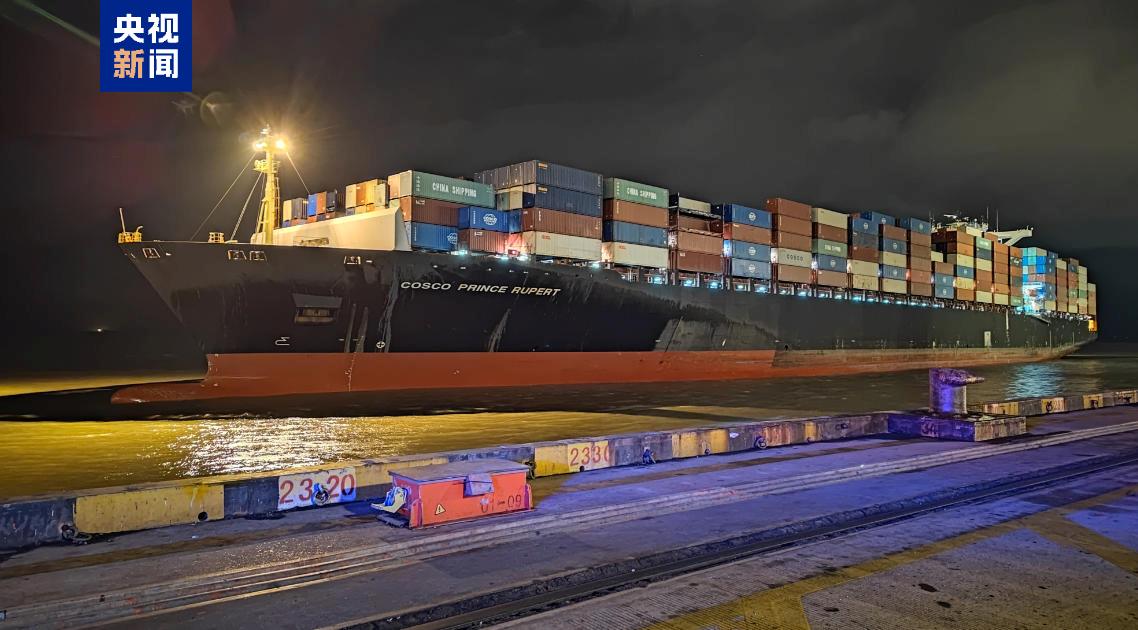
Core Viewpoint - The upcoming 8th China International Import Expo (CIIE) is set to showcase a variety of South African products, enhancing the event's global appeal and providing a platform for international trade [1][3]. Group 1: Event Logistics - The "Oriental Britain" vessel has arrived at Yangshan Port carrying South African products for the CIIE, indicating the logistical preparations underway as the event approaches [1]. - The shipment includes dried fruits, coffee, red tea, wine, and handicrafts from South Africa, which will soon be presented at the expo [3]. - A mature maritime logistics network supports the CIIE, with measures in place to reduce transportation costs and ensure timely display of exhibits [3]. Group 2: Customs and Support Measures - Shanghai's border inspection authorities have implemented eight facilitation measures, including a "green channel" for CIIE exhibits and a dedicated hotline service, to ensure smooth customs clearance for exhibitors [5].
视频︱《非洲增长与机遇法案》前景未明 南非葡萄酒商压力重重
Sou Hu Cai Jing· 2025-10-03 00:42
Core Points - The African Growth and Opportunity Act (AGOA), which has been in place for 25 years, expired on September 30, leading to concerns in various African industries, particularly the South African wine sector, about potential tariff impacts from the U.S. [1] - South African wine producers are facing a significant challenge as U.S. tariffs on their products could reach 30%, which would severely affect their competitiveness in the U.S. market [1] - In 2024, South Africa exported over 21 million liters of wine to the U.S., making it a key export destination for South African wine producers [1] Industry Response - The South African wine industry is actively seeking to diversify its markets in response to the expiration of AGOA, with Canada emerging as a potential market due to reduced shelf space for U.S. products [2] - Ongoing negotiations with countries like China and Japan aim to create more opportunities for South African wine exporters as China is lowering tariffs on South African imports [2] - South African wine producers express concerns about the sustainability of a 30% tariff, indicating that if such tariffs remain long-term, it would be untenable for the industry [2]
茅台推动白酒回归初心/泸州老窖产品质量与安全白皮书发布······
Xin Lang Cai Jing· 2025-06-13 12:12
Group 1 - Moutai Group emphasizes the return to the original intention of liquor, focusing on its cultural significance and adherence to strict regulations [2] - Luzhou Laojiao releases a product quality and safety white paper, highlighting its commitment to high standards and safety in food quality [2] - Xijiu promotes production through technological innovation, aiming for high-quality development in its brewing processes [2] Group 2 - Qinghua Lang (low-carbon version) begins limited pre-sale, with only 1,364 sets available, each containing six bottles [2] - Jian Nan Chun's 50,000-ton base liquor project is progressing, expected to generate over 10 billion yuan in industrial output annually [2] - The "China Wine Region Development Index Report (2025)" indicates significant wine production areas across 20 provinces, with a focus on regions like Ningxia and Xinjiang [2] Group 3 - Chen Weimin appointed as Vice Chairman and General Manager of Yiatong, following the resignation of Zhou Guohui [2] - South Africa set to benefit from zero tariffs on wine exports to China, potentially increasing its market share despite existing consumption and value-added taxes [3]


