即沐

Search documents
2025洗护赛道复盘:从外资主导到中外博弈,国货差异化破局
Xin Jing Bao· 2025-12-30 11:41
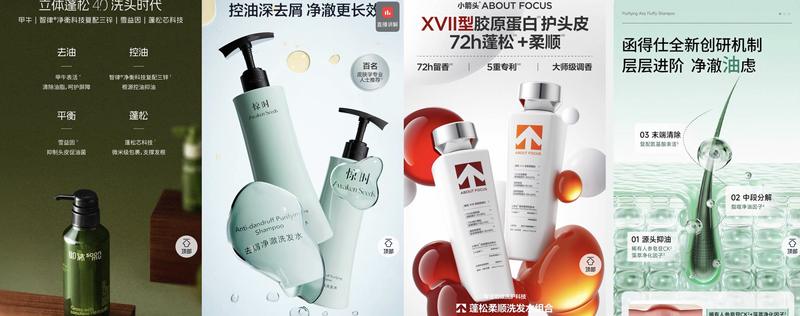
Core Insights - The Chinese hair care market is undergoing a transformation driven by consumption upgrades and heightened health awareness, shifting from basic cleaning and care to a focus on scientific maintenance and precision care [1] - Domestic brands are rapidly entering the hair care sector, creating a competitive landscape that challenges the dominance of foreign brands [1][2] Market Overview - The market size of China's hair care industry is projected to grow from 57.3 billion yuan in 2019 to 67.8 billion yuan in 2024, indicating steady growth [1] - International giants like Procter & Gamble, L'Oréal, and Unilever currently dominate the market, holding over 60% market share, but the rise of domestic brands is beginning to shift this balance [2][10] Competitive Landscape - The top 10 hair care products on platforms like JD.com and Taobao are still largely occupied by foreign brands, but domestic brands are beginning to make inroads [2] - The emergence of Gen Z as a primary consumer group is creating opportunities for domestic brands to capture market share through innovative and targeted products [2][9] New Product Launches - Domestic brands are launching new products focused on specific consumer needs, such as scalp health and efficacy, with companies like Proya and Fuda introducing brands that emphasize micro-ecological care [4][5] - The introduction of differentiated products, such as "Awaken Seeds" by Proya and "ABOUT FOCUS" by Xiaokuo Group, highlights the trend towards scientific and emotional care in hair products [4][13] Pricing Strategy - Domestic brands are strategically pricing their new products in the mid-to-high-end range, filling a gap in the market that has been dominated by foreign brands [6][8] - For example, the pricing of new products from brands like Memfa and Proya ranges from 0.229 to 0.457 yuan/ml, targeting the mid-to-high-end segment [8] Future Trends - The competition in the mid-to-high-end market is expected to intensify over the next one to two years, driven by innovation and quality improvements from domestic brands [9][12] - The ability of domestic brands to capture new consumer trends, overcome technological trust barriers, and enhance brand value will be crucial for their success against established foreign competitors [10][12][16]

靠米诺地尔撑起脱发生意!蔓迪国际冲刺港股“防脱第一股”
Nan Fang Du Shi Bao· 2025-11-27 12:41
Core Viewpoint - Mandi International has submitted its prospectus to the Hong Kong Stock Exchange, aiming to become the "first stock in anti-hair loss" amid a growing consumer healthcare market and increasing youth hair loss issues [1]. Company Overview - Mandi International, originally Zhejiang Wansheng Pharmaceutical Co., launched the first 5% minoxidil solution in China in 2001 and has maintained a leading position in the hair loss treatment market for the past decade [4]. - The company is planning to spin off and independently list on the Hong Kong Stock Exchange, with its parent company, 3SBio, holding an 87.16% stake prior to the split [4]. Financial Performance - Mandi International's revenue is projected to grow from RMB 981.54 million in 2022 to RMB 1.45 billion in 2024, reflecting a compound annual growth rate (CAGR) of 21.7% [5]. - Net profit is expected to increase from RMB 202 million in 2022 to RMB 390 million in 2024, with gross margins improving from 80.3% to 82.7% during the same period [5]. - The company's revenue from its main product line, the Mandi series, accounted for over 90% of total revenue, indicating a heavy reliance on this product line [6]. Market Dynamics - The hair health management market in China is projected to grow from RMB 19.8 billion in 2018 to RMB 52.7 billion by 2024, with an expected CAGR of 11.3% until 2035 [10]. - The competitive landscape is intensifying, with traditional pharmaceutical companies and international giants entering the market with new products [10]. Marketing and R&D Expenditure - Marketing expenses have been increasing, with sales and marketing costs rising from RMB 476.39 million in 2022 to RMB 633.80 million in 2024, representing a significant portion of revenue [8]. - In contrast, R&D spending is projected to decrease significantly in 2025, raising concerns about the company's long-term innovation capabilities [10]. Future Plans - The company plans to use the net proceeds from its IPO for enhancing R&D capabilities, digital operations, brand building, and working capital [11].