古建文创产品

Search documents
“在山西,我为什么总是仰着头?”
Xin Lang Cai Jing· 2025-12-24 06:29
Core Viewpoint - The article emphasizes the significance of traditional Chinese architecture, particularly the roofs, as cultural symbols and aesthetic representations of the nation's heritage, which are increasingly integrated into modern life and popular culture [1][6]. Group 1: Cultural Significance - China's ancient architecture has over 260,000 immovable cultural relics, showcasing the unique aesthetic curves of roofs that reflect the nation's cultural identity [1][6]. - The roofs are described as the "fifth facade" of buildings, embodying the wisdom of ancient Chinese in harmonizing with nature and serving functional needs such as water drainage and light enhancement [6][14]. Group 2: Architectural Features - Various roof types in Chinese architecture include the hip roof, gable roof, and others, each with distinct characteristics that reflect the architectural evolution from the Tang to the Qing dynasties [6][12]. - The roofs often feature decorative elements like ridge beasts and tiles, which enhance the aesthetic and cultural connotations of the buildings [11][12]. Group 3: Modern Integration - The cultural heritage of ancient architecture is being revitalized through modern interpretations, such as creative products inspired by traditional designs, appealing to younger generations [14][18]. - Young entrepreneurs are emerging in the field of ancient architecture, using innovative methods to engage audiences and promote cultural heritage through social media and guided tours [17][18].

走山西,看古建“天际线”(文化中国行·这些美 很中国)
Ren Min Ri Bao· 2025-12-23 22:31
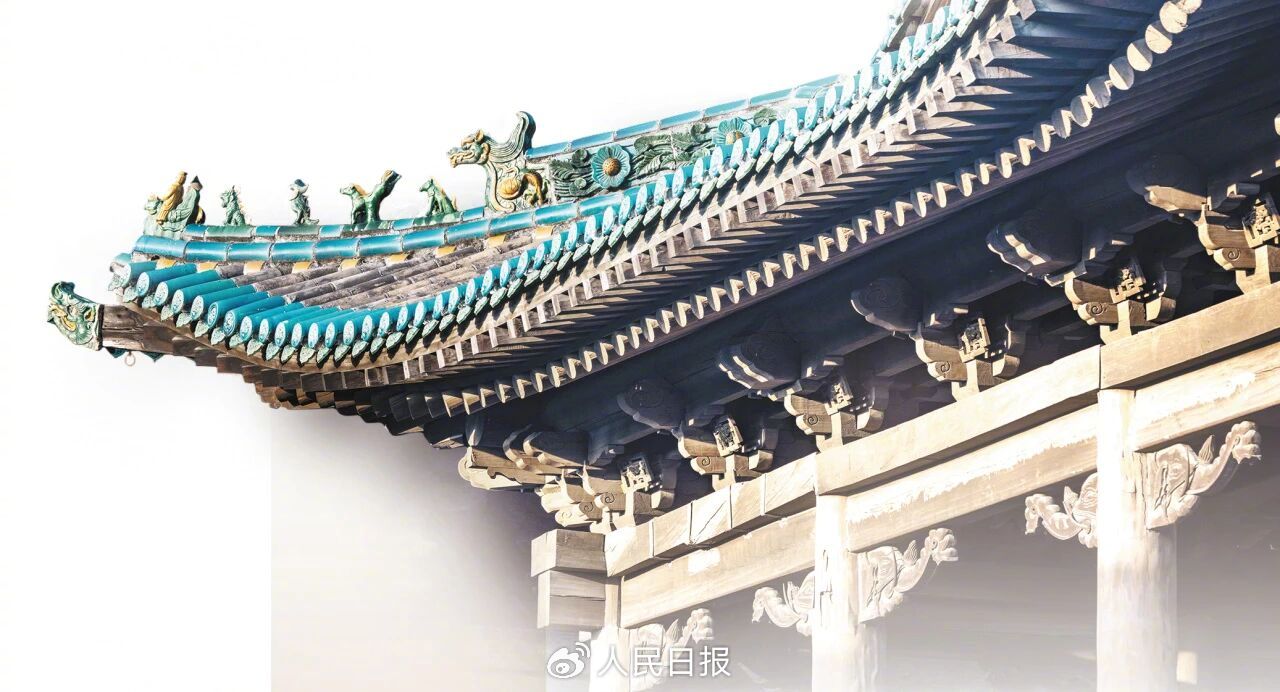
Core Viewpoint - The article highlights the significance of traditional Chinese architecture, particularly the roofs, as a cultural and aesthetic representation of Chinese civilization, showcasing their evolution and contemporary relevance [3][4][5]. Group 1: Architectural Features - Chinese ancient architecture features over 260,000 immovable cultural relics, with roofs being referred to as the "fifth facade" of buildings, embodying unique aesthetic curves that reflect the nation's cultural heritage [3][4]. - The main types of ancient Chinese roofs include the wudian (庑殿顶), xieshan (歇山顶), zhuanjian (攒尖顶), xuanshan (悬山顶), and yingshan (硬山顶), each designed to meet functional needs such as water drainage and wind resistance [4][5]. - Roofs are not only functional but also represent social rituals, aesthetic values, and construction techniques, making their preservation essential for safeguarding Chinese civilization [4][5]. Group 2: Historical Context - Shanxi province has over 28,000 ancient buildings, showcasing a continuous architectural lineage from the Tang to the Qing dynasties, exemplifying traditional Chinese aesthetics [5]. - Notable examples include the Tang dynasty's Foguang Temple, the Liao dynasty's wooden pagoda, and the Song dynasty's Jin Temple, each reflecting the architectural styles and cultural values of their respective periods [5][6]. Group 3: Cultural Significance - The roofs of ancient buildings encapsulate philosophical thoughts on the relationship between heaven, earth, and humanity, with the upward-curving eaves symbolizing a desire for harmony with nature [7]. - Modern interpretations of ancient architectural elements are evident in contemporary designs, such as the China Pavilion at the Shanghai Expo, which draws inspiration from traditional structures [7]. - Cultural products inspired by ancient architecture, such as themed merchandise from museums, have gained popularity among younger generations, bridging the gap between historical appreciation and modern consumer culture [7].
不息的文脉
Ren Min Ri Bao· 2025-10-03 22:02
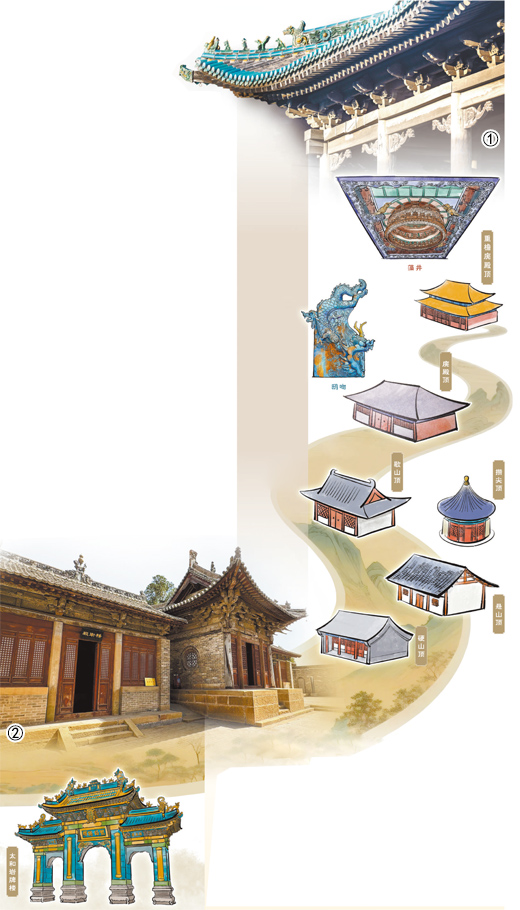
Group 1 - The article highlights the achievements in cultural heritage protection and development in China during the "14th Five-Year Plan" period, showcasing how cultural heritage has become more accessible to the public [6] - It presents typical cases in various fields such as urban cultural heritage transmission, museum development, archaeological site park construction, intangible cultural heritage tourism routes, and ancient building protection [6] Group 2 - The number of registered museums in China has reached 7,046, with 6,444 of them being free to visit, accounting for over 91% [15] - Museums received nearly 1.5 billion visitors annually, with a record 304 million visitors during the summer of this year [15][16] Group 3 - The article discusses the integration of digital technology in museums, enhancing visitor experiences through various platforms and services [16][17] - It emphasizes the use of VR and AR technologies to create immersive experiences for visitors, allowing them to engage with cultural artifacts in innovative ways [17][19] Group 4 - The article illustrates the growing interest in ancient architecture, driven by modern technology and cultural tourism, with significant increases in visitor numbers to historical sites [20][21] - It notes the successful blending of traditional craftsmanship with modern techniques in the preservation and promotion of ancient buildings [21][22] Group 5 - The "Singing and Painting Dongyang" intangible cultural heritage tourism route has been selected as one of the 31 national intangible cultural heritage tourism routes, highlighting the significance of local craftsmanship [26][28] - The article describes the unique cultural and culinary experiences available in Dongyang, showcasing the region's rich heritage and craftsmanship [29][30] Group 6 - The Lingjiatan archaeological site has transformed into a national archaeological park, attracting over 1.5 million visitors and generating approximately 200 million yuan in tourism revenue [32][35] - The park serves as a space for cultural engagement, allowing visitors to connect with ancient history and local culture [35]