
可隆徒步鞋

Search documents
做电商10年,小红书从“广告位”变“生意场”?
Sou Hu Cai Jing· 2026-01-04 12:45
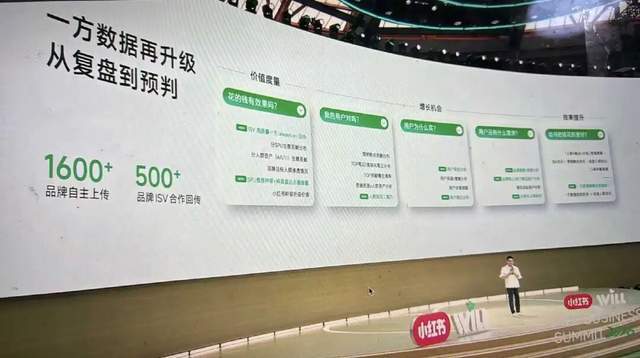
Core Insights - Xiaohongshu is striving to transform from an advertising platform to a genuine business platform by enhancing brand conversion rates through data analysis and closing the advertising and e-commerce loop [1][3][21] - Despite its strong brand-building capabilities, Xiaohongshu faces challenges in converting user engagement into direct sales, as many users still prefer traditional e-commerce platforms for purchases [2][6][13] Group 1: Brand Relationships - Brands view Xiaohongshu as a double-edged sword, effective for brand image and consumer engagement but struggling with sales conversion [2][3] - Many brands still rely on platforms like Douyin and Tmall for actual transactions, indicating Xiaohongshu's sales loop is not fully effective [3][6] - Xiaohongshu's marketing strategy has shifted to focus on being the most efficient "grass-planting" entry point rather than forcing a sales loop [3][12] Group 2: Data Utilization - Xiaohongshu has improved its data analysis capabilities, helping brands understand their target audiences better and optimize marketing strategies [4][10] - The platform has begun requiring data feedback from external e-commerce partners like Tmall and JD to enhance its data-driven approach [4][10] - Brands that utilize Xiaohongshu's insights have seen significant improvements in customer acquisition costs and user loyalty metrics [4][10] Group 3: E-commerce Infrastructure - Xiaohongshu's e-commerce infrastructure remains underdeveloped compared to specialized platforms, affecting its ability to create a seamless transaction experience [8][20] - The platform has made adjustments to its marketplace features to enhance user discovery and engagement with merchants [15][17] - Xiaohongshu's ambition to become a transaction endpoint is challenged by its reliance on B-end investments and the need to cultivate C-end user habits [13][14] Group 4: Strategic Shifts - The company has restructured its commercial operations to unify advertising and e-commerce efforts, aiming to streamline the entire consumer journey from awareness to purchase [9][21] - Xiaohongshu is focusing on creating a "decision-making brain" for brands, moving away from merely providing advertising space to offering actionable consumer insights [12][21] - The acquisition of a payment license indicates Xiaohongshu's commitment to enhancing its commercial ecosystem while balancing external linkages with internal transactions [20][21]

当种草不再“靠感觉”,消费品牌如何养成“概率思维”?
Sou Hu Cai Jing· 2025-12-29 03:16
Core Insights - The article emphasizes the shift from an "experience era" to a "probability era" in business decision-making, driven by data analytics [2][3] - Companies like Luckin Coffee and Huawei are leveraging data to enhance product development and marketing strategies, leading to successful product launches [6][8] Group 1: Data-Driven Decision Making - Luckin Coffee utilizes a data-driven R&D system to predict the success of new products based on nationwide order data, resulting in the launch of a new product every three days [2] - The concept of "probability" in decision-making is highlighted, indicating that businesses must rely on real-time user feedback rather than past experiences to understand current consumer needs [3] Group 2: Marketing and Consumer Insights - The "grass-planting" strategy has evolved into a comprehensive brand management topic, where data drives understanding of consumer preferences at every stage of product and content development [5] - Companies are increasingly focusing on emotional insights derived from user-generated content (UGC) to better understand consumer motivations and enhance product design [8] Group 3: Regional and Demographic Targeting - Brands like Kelong are employing regional segmentation in their marketing strategies, tailoring messages to specific user demographics based on their unique preferences and usage scenarios [12][10] - The use of platforms like Xiaohongshu's "Lingxi System" allows brands to gain deeper insights into consumer behavior, enhancing the effectiveness of targeted marketing campaigns [13] Group 4: Channel Strategy and Optimization - The case of "Yike Da" illustrates how a brand can successfully penetrate high-end markets by understanding its target audience and leveraging data for effective channel negotiations [16][18] - The integration of online and offline data creates a feedback loop that enhances channel operations and marketing strategies, leading to improved sales performance [20][21] Group 5: Future Implications - The article concludes that brands that master data-driven strategies will not only succeed on platforms like Xiaohongshu but will also enhance their overall business performance across various channels [22][23]
