品效协同

Search documents
破解户外广告评估难题,LBS技术如何让品效协同更清晰?
凯度消费者指数· 2026-03-19 03:53
Core Viewpoint - The Chinese media advertising market is experiencing stable growth driven by economic recovery and technological innovation, with a focus on achieving "brand effectiveness and efficiency" in outdoor advertising evaluation [2][3]. Group 1: Challenges in Outdoor Advertising Evaluation - Data fragmentation makes it difficult to match exposure audiences with purchasing conversion audiences, hindering the ability to trace the journey from "seeing an ad" to "actual consumption" [2]. - Multi-touchpoint interference complicates the measurement of a single ad's contribution, leading to ambiguous attribution of effectiveness [2]. - Traditional evaluation methods rely on basic exposure metrics and lack comprehensive cross-channel conversion indicators, making it challenging to objectively assess the value of outdoor advertising [2]. Group 2: Solutions for Effective Outdoor Advertising - Worldpanel's Consumer Index has launched an enhanced version of consumer media influence for outdoor media, utilizing operator base station positioning technology combined with cross-channel purchasing behavior data to provide transparent evaluations [3]. - Precise geographic fencing locks in exposure by defining geographic areas around ad placements, capturing the duration of target audience stays to ensure the authenticity of reach [3]. - The integration of purchasing behavior data allows for matching outdoor ad exposure with cross-media exposure and linking it to comprehensive purchasing records, enabling precise attribution of different ads' contributions [3]. Group 3: Quantifying Outdoor Advertising Impact - The evaluation process begins by measuring the scale of consumers exposed to outdoor ads (reach rate) and quantifying the sales uplift per consumer (unit sales impact), thereby assessing the overall business impact of outdoor advertising [8]. - The impact of advertising on brand growth can be broken down into three forces: penetration, frequency, and spending, focusing on whether more consumers are converted, whether consumers buy more frequently, and whether they spend more [8]. - "Penetration is key" as it serves as a core metric for brands, emphasizing the need for effective linkage between ad exposure and purchasing scenarios to enhance consumer brand recognition and drive purchases [10]. Group 4: Continuous Optimization of Advertising Strategies - Media investment is an ongoing optimization process, with the use of a 3W simulator to help brands optimize their advertising strategies, achieving a 1.5 times increase in penetration [13]. - The strategy involves targeting both existing loyal customers and key competitor buyers while expanding outreach to new customers in high-potential markets [13]. - The case study of Brand A illustrates that advertising should not merely serve as a backdrop for brand exposure but should act as a guide for consumer decision-making, transforming every touchpoint into a potential business growth entry point [13][15].


“四可”赋能分众智投,重构本地生活营销新价值
Zhong Guo Jing Ji Wang· 2026-01-16 03:10
Core Insights - The article discusses the launch of "Fenzhong Smart Investment," a new product by Fenzhong Media aimed at enhancing local marketing through AI and big data capabilities, targeting local life customers to overcome growth bottlenecks and succeed in regional markets [1][4][6] Group 1: Market Context - The overall market remains under pressure, with online traffic peaking and customer acquisition costs rising. However, the local life service market is expected to see significant growth, with the O2O market projected to reach 3.8 trillion yuan by 2025, reflecting a 17.6% year-on-year increase [2] - The underlying logic of local life marketing is being reshaped, with a focus on brand effectiveness and efficiency becoming crucial for local life customers [2] Group 2: Product Features and Advantages - Fenzhong Smart Investment leverages the "Four Capabilities" (precision, attribution, interaction, optimization) to meet market demands and revolutionize local marketing solutions [4][6] - The product emphasizes regional precision targeting, allowing for effective reach within 500 to 3000 meters of stores, and supports flexible daily material deployment tailored to local business characteristics [6][9] - The platform offers a comprehensive suite of services from customer acquisition to performance evaluation, utilizing AI and data technology to enhance marketing effectiveness [5][10] Group 3: Strategic Partnerships and Innovations - Fenzhong Media collaborates with Lingyang Tian Gong Smart Investment, integrating Alibaba Cloud's AI technology to enhance its outdoor programmatic advertising capabilities [5] - The partnership aims to provide a full-chain intelligent service for small-scale, short-cycle clients, facilitating customer acquisition and retention strategies [5][12] Group 4: Future Outlook and Strategic Goals - Fenzhong Media aims to redefine local marketing value by focusing on integrated online and offline operations, with three core products designed to enhance customer engagement and brand exposure [9][12] - The company plans to continue leveraging its "Four Capabilities" to help local life customers capitalize on the recovery of service consumption and achieve sustainable growth in the local market [12]

春节消费回暖,品牌如何制胜?乐事以“产品+营销”撬动增长
21世纪经济报道· 2026-01-09 07:53
Core Viewpoint - The article emphasizes the significant growth in consumer spending during the 2026 Spring Festival, driven by emotional consumption and the strategic marketing efforts of brands like Lays, which are capitalizing on the festive atmosphere and consumer sentiment [1][10]. Group 1: Consumer Trends - In 2025, the overall sales during the Spring Festival increased by 8.7% year-on-year, with consumer willingness to spend during the holiday rising by 11% [1]. - Emotional consumption is becoming a key driver, with consumers increasingly valuing emotional connections over price [1][10]. - The average price of all categories during the Spring Festival rose by 13.8%, with snacks benefiting from the "gift economy" and social settings [1]. Group 2: Lays' Product Strategy - Lays launched over ten new Spring Festival limited edition products, including various gift boxes and snack combinations, catering to diverse consumer preferences [3]. - Some products feature popular IP collaborations, such as "Kung Fu Panda," enhancing their appeal with festive meanings [3][11]. - Lays introduced new single-pack flavors with auspicious names, integrating taste innovation with New Year blessings [3]. Group 3: Marketing and Brand Positioning - Lays positions itself as a "Spring Festival happiness amplifier," engaging consumers during festive moments through diverse snack offerings [5]. - The brand has a history of integrating products with traditional celebrations and collaborating with celebrities to strengthen brand recognition [6]. - Recent marketing campaigns featuring celebrities like Shen Teng and Fan Chengcheng have generated significant social media engagement, enhancing brand visibility [8][10]. Group 4: Channel Strategy and Market Preparation - The article notes a trend towards multi-channel development, with increased e-commerce penetration and offline membership store coverage [10]. - Lays is preparing for the terminal market by creating immersive in-store displays to attract consumers and enhance the shopping experience [10]. - The brand's marketing strategy aims to alleviate promotional challenges for distributors and retailers, fostering mutual benefits through increased consumer attention [10]. Group 5: Future Outlook - As the 2026 Spring Festival approaches, Lays is set to leverage its limited edition series and innovative marketing strategies to meet consumer expectations for a festive atmosphere [11].

做电商10年,小红书从“广告位”变“生意场”?
Sou Hu Cai Jing· 2026-01-04 12:45
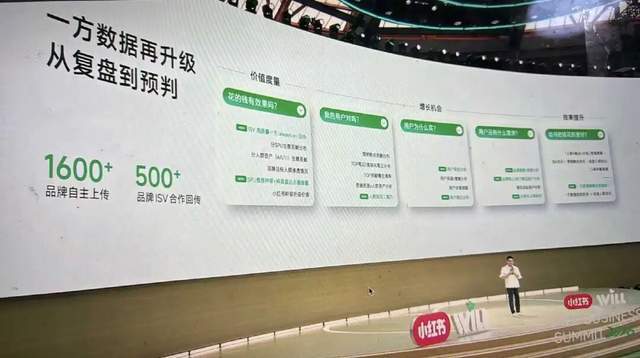
Core Insights - Xiaohongshu is striving to transform from an advertising platform to a genuine business platform by enhancing brand conversion rates through data analysis and closing the advertising and e-commerce loop [1][3][21] - Despite its strong brand-building capabilities, Xiaohongshu faces challenges in converting user engagement into direct sales, as many users still prefer traditional e-commerce platforms for purchases [2][6][13] Group 1: Brand Relationships - Brands view Xiaohongshu as a double-edged sword, effective for brand image and consumer engagement but struggling with sales conversion [2][3] - Many brands still rely on platforms like Douyin and Tmall for actual transactions, indicating Xiaohongshu's sales loop is not fully effective [3][6] - Xiaohongshu's marketing strategy has shifted to focus on being the most efficient "grass-planting" entry point rather than forcing a sales loop [3][12] Group 2: Data Utilization - Xiaohongshu has improved its data analysis capabilities, helping brands understand their target audiences better and optimize marketing strategies [4][10] - The platform has begun requiring data feedback from external e-commerce partners like Tmall and JD to enhance its data-driven approach [4][10] - Brands that utilize Xiaohongshu's insights have seen significant improvements in customer acquisition costs and user loyalty metrics [4][10] Group 3: E-commerce Infrastructure - Xiaohongshu's e-commerce infrastructure remains underdeveloped compared to specialized platforms, affecting its ability to create a seamless transaction experience [8][20] - The platform has made adjustments to its marketplace features to enhance user discovery and engagement with merchants [15][17] - Xiaohongshu's ambition to become a transaction endpoint is challenged by its reliance on B-end investments and the need to cultivate C-end user habits [13][14] Group 4: Strategic Shifts - The company has restructured its commercial operations to unify advertising and e-commerce efforts, aiming to streamline the entire consumer journey from awareness to purchase [9][21] - Xiaohongshu is focusing on creating a "decision-making brain" for brands, moving away from merely providing advertising space to offering actionable consumer insights [12][21] - The acquisition of a payment license indicates Xiaohongshu's commitment to enhancing its commercial ecosystem while balancing external linkages with internal transactions [20][21]
江南春:2026年创业的26个关键词
Zhong Guo Jing Ying Bao· 2026-01-04 04:44
Core Insights - The article emphasizes the importance of brand elevation strategies to combat market pressures such as price competition and declining sales, suggesting that companies should focus on enhancing quality, service, and emotional value rather than engaging in price wars [1][3][4]. Price Anxiety Resolution - Price anxiety cannot be resolved through lowering prices, as this leads to a cycle of competitive price reductions. Instead, companies should focus on elevating product quality and service to enhance perceived value [1][2][3]. Sales Pressure Solutions - Sales pressure cannot be alleviated through promotions alone, as consumers may switch to competitors offering better deals. Investing in brand development is crucial for creating a loyal customer base that chooses the brand for its inherent value [3][4][5]. Traffic Issues and External Solutions - Internal traffic issues arise from rising costs and competition for the same target audience. Companies should focus on expanding their reach and educating potential customers about their brand to overcome these challenges [4][5][6]. Importance of Brand Awareness - Effective marketing requires a broad reach to educate potential consumers about the brand's core values. Without significant brand awareness, achieving sales goals becomes increasingly difficult [5][6][7]. Media and Advertising Effectiveness - Reducing marketing expenditures significantly impacts brand activity and sales. Continuous advertising is essential for maintaining brand presence and consumer engagement [6][7][8]. Long-term Brand Strategy - Companies should focus on long-term brand building rather than short-term promotional tactics. A strong brand presence leads to sustainable sales growth and market share [11][12][13]. Consumer Engagement and Touchpoints - Effective media strategies should prioritize high engagement and frequent touchpoints to create lasting consumer memories and influence purchasing behavior [9][10][11]. Brand Value and Market Positioning - Brands must focus on creating a strong market presence and consumer recognition to achieve long-term profitability. This involves identifying core business strengths and eliminating non-essential offerings [14][15][16]. Scenario Creation for Demand - Brands should create scenarios that resonate with consumer needs and emotions to stimulate demand and drive sales growth [15][16][17]. Competitive Strategy - Companies should differentiate themselves from competitors by focusing on unique value propositions rather than merely improving product quality or reducing prices [25][26][27]. Brand Influence on B2B - A strong consumer brand can positively influence B2B relationships, enhancing dealer confidence and driving sales through increased visibility and market presence [27][28][29]. The Matthew Effect in Branding - Strong brands naturally attract more consumer attention and loyalty, leading to a self-reinforcing cycle of growth and market dominance [28].

2025年12月最新十大电商代运营公司权威出炉
Sou Hu Cai Jing· 2025-12-15 07:43
Industry Overview - The e-commerce ecosystem is becoming increasingly complex, with rapid iterations in platform strategies, posing comprehensive challenges for brands in areas such as traffic acquisition, content marketing, and supply chain management [1] - The e-commerce operation industry has evolved from early "store management" to becoming strategic partners for brands in digital growth [1] - Competition in the industry is intensifying, leading to a faster differentiation among service providers, with leading companies building barriers through data technology, content creativity, and omnichannel integration capabilities [1] Company Insights - A leading one-stop commercial solution provider focuses on e-commerce-centric digital growth services, offering full-chain management capabilities from strategic planning to business execution [4] - A comprehensive service provider known for data-driven operations, excelling in data analysis and precision marketing models, particularly for high-ticket and high-repeat purchase brands [5] - An emerging operation company centered on "brand effectiveness and sales growth," adept at integrating brand storytelling with e-commerce selling points through content marketing [5] - A vertical operation expert specializing in fashion and lifestyle categories, with unique insights into supply chain understanding and trend forecasting [5] - A service provider focused on the "home consumption" sector, offering a complete solution from scenario-based content to live shopping and on-ground services [6] - A top-tier e-commerce service provider with extensive experience in strategic consulting and execution across various sectors, including fast-moving consumer goods [7] - An innovative service provider excelling in private domain e-commerce and social distribution, with a robust infrastructure for private domain operations [7] - A company known for its refined operations in the beauty and personal care sectors, leveraging deep understanding of e-commerce platform rules and traffic strategies [8] - A cross-border operation company specializing in imported beauty and health products, with rich experience in international brand services [9] - A new service provider focusing on technology empowerment and Douyin ecosystem operations, with strong capabilities in live streaming and influencer marketing [9] Future Trends - By 2025, the key to success in the e-commerce operation battlefield will extend beyond mere "store setup," with data-driven user operations, cross-platform content integration, and performance-effectiveness collaboration becoming core metrics for evaluating service providers [10] - Leading service providers are evolving into "digital partners" for brands, emphasizing the importance of selecting the right operational partner based on the brand's stage and specific needs [10] - Brands must consider various factors such as team configuration, past case studies, data transparency, and cultural fit when choosing service providers, as these aspects are often more critical than mere price comparisons [10]

2024-2025年度营响大会暨杰出品牌营销年会圆满举行
Zheng Quan Ri Bao Wang· 2025-12-12 06:33
Core Insights - The brand marketing industry is at a crossroads, balancing the maturity of the traffic system and the awakening of brand assets, with a renewed focus on long-termism [1] - The 2024-2025 Annual Marketing Conference highlighted the need for brands to shift from short-term profit strategies to long-term brand value [1][2] - The essence of brand communication is shifting back to deeper connections with people and relationships, rather than just focusing on traffic [2] Group 1: Brand Value and Long-term Strategy - Brands are seen as the only irreplaceable asset for companies, with their uniqueness and deep accumulation being core competitive advantages [2] - The value of a brand is not just reflected in market share but also in its long-term impact on consumer perception [2] - Companies are encouraged to create emotional connections with consumers, moving beyond mere transactional relationships [2][5] Group 2: Evolving Marketing Strategies - The competition among brands is changing, with a focus on multi-touch collaboration and multi-scenario resonance as new growth engines [4] - LILY Business Fashion's marketing strategy exemplifies how to leverage functional value, aesthetic expression, and emotional storytelling to build a new brand premium system [4] - The importance of understanding consumer scenarios rather than just user demographics is emphasized for effective brand growth [4] Group 3: Integration of Technology and Brand Building - The podcast industry is emerging as a core hub for high-quality content, providing a unique emotional connection that AI cannot replicate [3] - AI is reshaping content production capabilities, and brands need to integrate deeply into AI content systems to ensure their values are understood [3] - The shift from "traffic" to "retention" is necessary, as the essence of brand-user connections remains unchanged despite technological advancements [3] Group 4: Cultural and Emotional Engagement - Brands are encouraged to create meaningful interactions that resonate emotionally with consumers, as seen in Natural堂's initiatives that blend traditional culture with new consumption trends [6] - 恒洁's approach to establishing lasting recognition through "beautiful spaces" reflects the importance of creating shareable moments for consumers [6] - The focus on cultural connections and emotional storytelling is becoming a critical aspect of brand value [6][9] Group 5: Cross-Industry Perspectives - A roundtable discussion highlighted the need for brands to anchor their assets vertically while capturing traffic sources horizontally for sustained growth [7] - The importance of maintaining core values and a strong internal culture is emphasized as essential for producing quality products [7] - The evolution of domestic brands in the new consumption wave showcases the significance of long-term strategies over short-term gains [7][8]
从“四高”到“四可” :分众传媒以数字化重构品效协同新范式
Xin Hua She· 2025-12-12 05:15
Core Insights - The chairman of the company, Jiang Nanchun, emphasized the need for a deep digital transformation to evolve from traditional outdoor media to an intelligent brand growth platform that offers precise, attributable, interactive, and optimized solutions for brands in uncertain markets [1] Group 1: Challenges and Solutions - Companies face three core challenges in the current market: reducing marketing costs while increasing efficiency, driving actual growth through incremental marketing, and achieving synergy between brand effectiveness and efficiency [2] - Jiang Nanchun highlighted the importance of retaining consumer attention and embedding core brand values in consumers' minds to establish a competitive edge, rather than relying on rented traffic from KOLs and platforms [2] Group 2: Digital Transformation - The company has upgraded from traditional media requiring card insertion for ad placement to an internet media platform that allows for instant ad placement and precise audience targeting [3] - Through deep integration with Alibaba Cloud's data platform, the company can perform precise audience segmentation and targeted advertising based on detailed consumer profiles [3] Group 3: Performance Measurement and Optimization - The company showcased data from a collaboration with a beauty brand, revealing that out of 200 million people reached, 51.3 million transitioned to potential customers after viewing the ad, with a return on investment (ROI) of 1:6.4 [4] - The analysis indicated significant increases in purchase conversion rates for different audience segments after exposure to the company's ads, with O group conversion rates improving by 70% and A group by 40% [4] Group 4: Interactive and Optimized Advertising - The company has introduced interactive advertising features, such as a collaboration with Alipay that allows users to engage with ads through touch screens, resulting in an average of 1.4 million interactions per day [5] - Future plans include launching the "Fenzhong Smart Investment" product by 2026, which will allow clients to choose ad placements from a pool of available resources, addressing key market needs [5][6]
分众传媒以数字化重构品效协同新范式
Xin Hua She· 2025-12-12 00:53
Core Insights - The core viewpoint of the articles emphasizes the digital transformation of the company from traditional outdoor media to an intelligent brand growth platform that offers precise, attributable, interactive, and optimized advertising solutions in an uncertain market environment [1][2]. Group 1: Challenges and Solutions - The company identifies three core challenges faced by brands: reducing marketing costs while increasing efficiency, driving actual growth through incremental marketing, and achieving synergy between brand and performance [1]. - The chairman highlights the importance of retaining consumer attention and embedding core brand values in consumer minds to establish a competitive edge, rather than relying on rented traffic from influencers and platforms [1]. Group 2: Digital Transformation - The company has upgraded its media capabilities from traditional methods requiring card insertion to an internet-based media platform that allows for instant ad placement and precise audience targeting [1]. - The transition from broad advertising to precise matching is a key aspect of the company's digital core, enabling data-driven media strategies [1][3]. Group 3: Data Attribution and ROI - The company showcases its ability to measure advertising effectiveness through data analysis, revealing that among 200 million people reached, 51.3 million transitioned to potential customers, with significant conversion rates observed across different audience segments [2]. - The return on investment (ROI) for advertising campaigns has been calculated at 1:6.4, demonstrating the effectiveness of their advertising strategies [2]. Group 4: Interactive and Optimized Advertising - The company has introduced interactive advertising features, such as the "Tap Here" project in collaboration with Alipay, which has achieved an average daily interaction of 1.4 million, enhancing immediate conversion and user acquisition [3]. - Future plans include launching the "Smart Investment" product by 2026, which will allow clients to select ad placements from a pool of available resources, addressing various advertising needs [3]. - The company aims to leverage continuous digital upgrades to enhance its capabilities in precision, attribution, interactivity, and optimization across the advertising landscape [3].
饮料厂家哪家创新强
Sou Hu Cai Jing· 2025-12-09 08:11
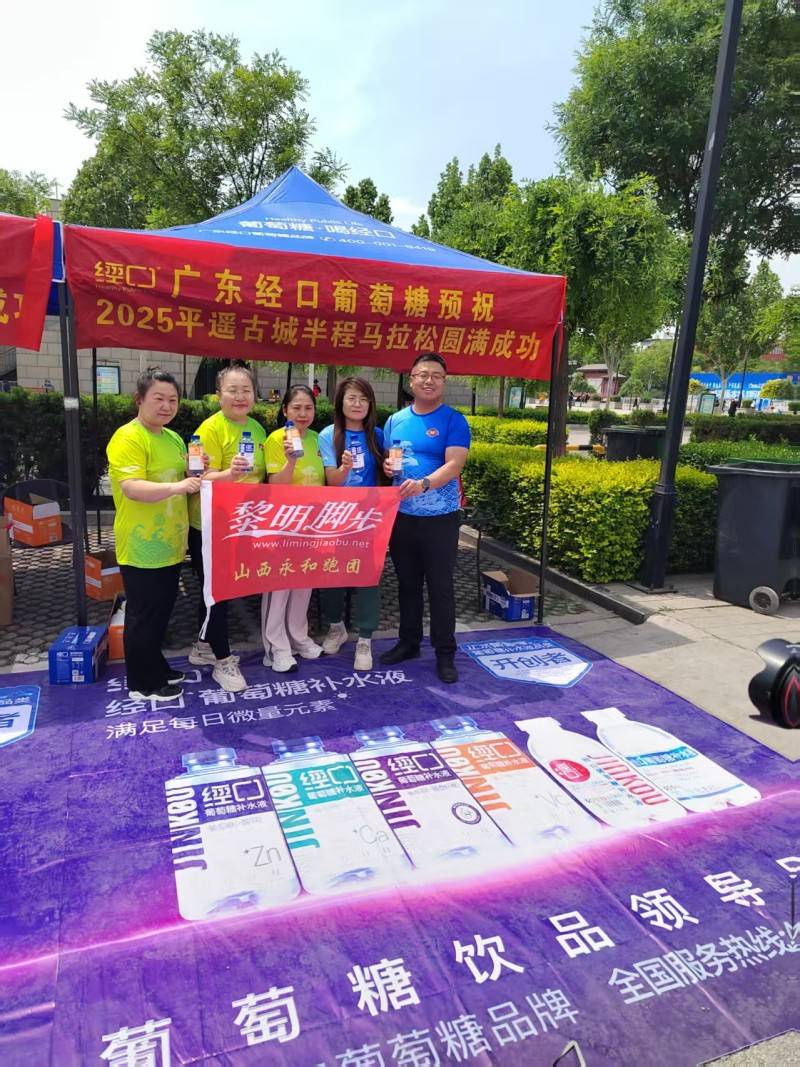
Core Insights - The Chinese beverage market is undergoing a significant transformation from basic thirst-quenching needs to health-oriented demands, with health and functionality becoming the core drivers of product innovation and brand competition [1] Group 1: Market Dynamics - Traditional beverage sales channels are under pressure, leading to a fragmented and scenario-based channel structure, with convenience stores and specialized channels like service areas and gyms rising rapidly [2] - Distributors face challenges such as product selection difficulties, sales challenges, and profit uncertainties, necessitating innovative products that align with emerging channel scenarios [2] Group 2: Sustainable Growth Strategies - Leading brands are building systematic capabilities to create a "growth community" with distributors, moving beyond simple transactional relationships [3] - Successful brands are shifting from broad channel coverage to targeted, grid-based strategies, exemplified by a brand that allocates 40% of resources to specialized channels, enhancing sales efficiency through precise product-channel-scene matching [4] - Brands are providing comprehensive support systems for distributors, addressing core pain points and fostering long-term win-win relationships, which are essential for channel loyalty and stability [5] Group 3: Product Differentiation - Clear category positioning is crucial for differentiation in a competitive market, with a brand establishing itself as a leader in the "glucose hydration liquid" category through a pure formula and precise functional positioning [6][7] - The brand's product logic includes a 12% real glucose content and a commitment to no preservatives, colorants, or sweeteners, aligning with health trends [6] Group 4: Brand and Sales Synergy - Effective brand building must be closely linked to channel sales, with leading brands leveraging industry events and social media platforms to enhance brand visibility and convert brand awareness into sales [8] Group 5: Future Trends - The future of functional health beverages will see deeper segmentation in health and functionality, with stricter demands for scientific formulations and pure ingredients [10] - The integration of online and offline channels will be crucial, with digital tools playing a vital role in channel management and consumer insights [10] - Long-term partnerships between brands and distributors will be essential for market education and category expansion, serving as a stabilizing factor in uncertain times [11] Conclusion - In the new normal of the Chinese functional health beverage market, a brand's long-term competitiveness is rooted in systematic capability building, precise channel matching, comprehensive distributor support, and effective brand-sales synergy, demonstrating a path for sustainable growth [13]