可食用机器人

Search documents
全球首个!这个机器人100%可食用,连电池都能吃 | Advanced Science
机器人大讲堂· 2025-11-23 06:47
Core Viewpoint - Researchers from EPFL have developed a fully edible robot, marking a significant advancement in the field of soft robotics, with all components being 100% consumable [4][7]. Group 1: Edible Robot Components - The robot's battery is made from gelatin and wax, utilizing a chemical reaction to store energy, with food-grade materials like citric acid and baking soda [9]. - The actuator operates on a pneumatic system, where carbon dioxide generated from the battery drives the movement [11]. - A novel edible valve based on the "snap-buckling" principle allows for controlled gas release, enabling the actuator to function effectively [12][13]. Group 2: Potential Applications - The primary application proposed for this edible robot is to deliver nutrients or medication to hard-to-reach wildlife, such as wild boars, by mimicking movement to attract them [17][20]. - The robot's design can be adjusted to target various animals by modifying its size, movement characteristics, and sensory attributes [21]. Group 3: Broader Implications - The project emphasizes environmental sustainability, as the edible components are biodegradable, aligning with future applications of large-scale robotic systems in natural settings [24]. - The research is part of the EU-funded RoboFood project, exploring further developments in edible robotics [25].

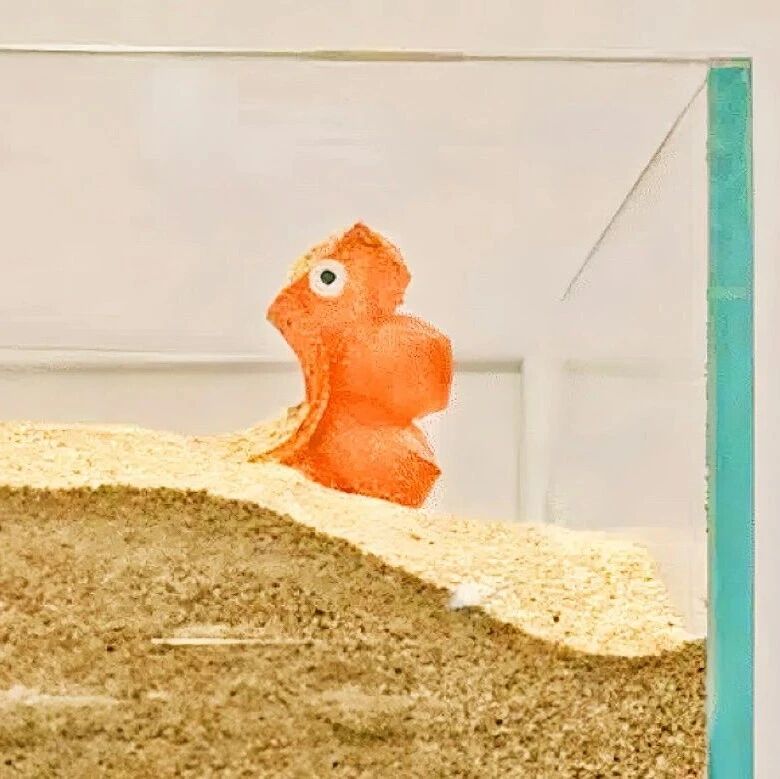
“从自然中来,回自然中去”,可食用机器人开启舌尖上的新科技
机器人圈· 2025-05-16 09:56
Core Viewpoint - The article discusses the development of edible robots by the EPFL research team, highlighting their potential applications in various fields such as healthcare and environmental management, while addressing the innovative design that allows these robots to decompose naturally after use [1][4]. Group 1: Edible Robots Development - The EPFL team has created a water robot that is 5 cm long and weighs 1.43 grams, capable of moving three times its body length per second [2]. - The robot is made from freeze-dried fish feed and operates through a chemical reaction that generates carbon dioxide, providing propulsion [2]. - The "RoboFood" project, initiated in 2021, aims to develop edible robots for food preservation and emergency nutrition, supported by a €3.5 million EU grant [2]. Group 2: Applications and Benefits - Edible robots can enhance environmental monitoring and revolutionize drug delivery in aquaculture, providing precise medication and reducing water pollution [4]. - They can also deliver nutrients in emergencies, particularly benefiting wildlife rescue efforts by attracting animals with their food-like appearance [5]. - The RoboCake, an edible wedding cake, showcases the potential for innovative culinary experiences, combining taste with technology [5]. Group 3: Environmental Impact - The design philosophy of edible robots aligns with sustainability, addressing the issue of electronic waste, which amounts to 40 million tons annually [5]. - The concept of "from nature, back to nature" emphasizes the harmonious relationship between technology and the environment [5]. Group 4: Challenges and Considerations - There are significant challenges in creating edible robots, including the need for intelligent computing systems that are both digestible and effective [6]. - Safety concerns regarding the interactions of various edible components need to be addressed to prevent unforeseen adverse effects [6]. - Quality control and miniaturization are critical for ensuring the reliability of these robots in medical applications [6][7].

快讯|津产首款人形机器人“天兵一号”亮相,武科大打造耐火材料智能砌筑机器人平台,00后团队创业半年获千万订单
机器人大讲堂· 2025-05-16 09:49
Group 1 - The Swiss Federal Institute of Technology in Lausanne has made significant progress in the field of edible robots, creating water robots from fish feed that can decompose into food for fish after completing their mission [1] - The edible robots can address the pollution issues associated with traditional electronic devices and have potential applications in healthcare and environmental management, such as precise drug delivery and emergency nutritional supply [1] Group 2 - The first humanoid robot "Tianbing No. 1" produced in Tianjin was unveiled at the second Beijing-Tianjin-Hebei Intelligent Manufacturing Equipment Collaborative Development Conference, designed for industrial use with a waist load capacity of 200 kg and an arm load capacity of 5 kg [2][4] - The robot incorporates a parallel mechanism for greater rotational freedom and is expected to be trained for intelligent decision-making, with applications anticipated across multiple industries by July [4] Group 3 - The intelligent robot "Xiaobai" has been deployed at the construction site laboratory of the Zha Jia Su expansion project in Jiaxing, Zhejiang, capable of accurately grabbing concrete test blocks and performing tasks such as scanning, data uploading, and compressive strength testing, significantly improving efficiency over traditional manual methods [5][7] - The laboratory features a digital management platform for online management of the entire process, aiming to eliminate information barriers and integrate modern information technology for smart solutions [7] Group 4 - Wuhan University of Science and Technology showcased its "Intelligent Masonry Robot Platform for Refractory Materials" at the 2025 World Digital Education Conference, capable of converting refractory bricks into digital models and autonomously completing the entire masonry process with high precision [8][10] - The platform has overcome seven key core technology challenges and is set to establish a pilot platform this year after successful testing of its prototype [10] Group 5 - A young team from Hefei Zero Degree Robotics Company, consisting of members from Tsinghua University, secured millions in orders within six months of starting their business, with plans to launch a mass-producible embodiment intelligence product by the end of the month [11][13] - Their first humanoid robot Z1 can navigate complex terrains without a visual system and mimic human movements with a success rate close to 100%, with over 50 humanoid and intelligent robotics companies already established in the region [13]