合成橡胶期货及期权

Search documents
合成橡胶期货及期权上市两周年回顾与观察
Sou Hu Cai Jing· 2025-07-28 10:22
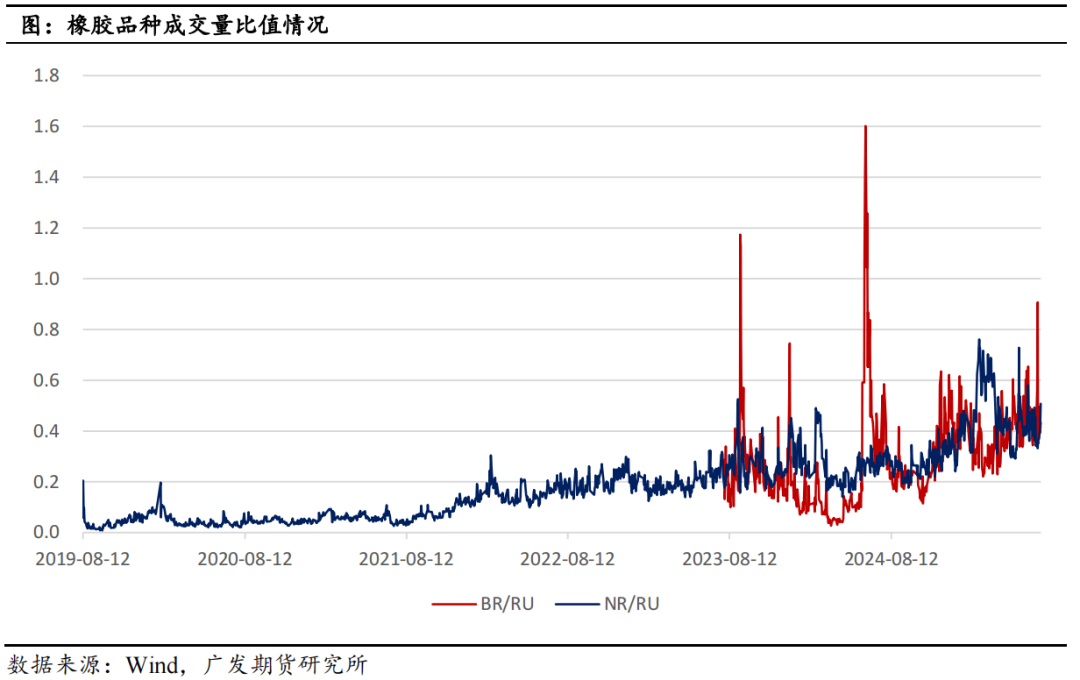
Core Insights - The launch of synthetic rubber futures and options on July 28, 2023, at the Shanghai Futures Exchange has significantly enhanced the risk management tools available to the synthetic rubber industry, which is crucial for the national economy [1][2][3] - The trading performance of synthetic rubber futures has shown strong volatility, with notable price movements including two instances of price limits up and one price limit down within two years [1][5] - The correlation between the prices of synthetic rubber and its raw material, butadiene, has strengthened since the launch of the futures, indicating improved market pricing mechanisms [2][3] Significance of Listing - Synthetic rubber is a key synthetic material with extensive applications, and its industry faces high price risks due to various factors, including macroeconomic changes and raw material price fluctuations [2] - The introduction of synthetic rubber futures fills a gap in the derivatives market, providing better pricing mechanisms and enhancing the competitiveness of China's synthetic rubber industry [2][3] - The correlation coefficient between butadiene prices and synthetic rubber prices has increased from 0.62 to 0.89 since the launch of the futures, indicating a tighter price linkage [2] Market Performance - As of July 25, 2025, synthetic rubber futures have recorded a total trading volume of 63.05 million contracts and a total transaction value of 42.4 trillion yuan, with an average daily trading volume of 130,500 contracts [5][6] - The first year after the launch saw significant fluctuations in trading volume and open interest, while the second year stabilized within a range after a notable independent price rally [5][6] - The average daily trading volume of synthetic rubber futures has been competitive compared to other rubber futures, with a peak trading volume surpassing that of natural rubber [7] Price Structure and Basis Observations - The synthetic rubber futures market has predominantly exhibited a positive basis, attributed to sufficient delivery capacity and strong delivery willingness among producers when the basis turns negative [9] - The monthly structure of synthetic rubber futures often reflects a backwardation pattern, particularly during price surges, indicating a strong market response to supply and demand dynamics [9] Market Review - The synthetic rubber futures market has experienced significant price movements since its launch, with a notable price increase starting from August 21, 2023, driven by improved demand from the tire manufacturing sector [13][14] - The price of synthetic rubber futures reached a peak of 14,600 yuan per ton before experiencing a correction due to high inventory levels and weak fundamentals [13][14] Options Market Performance - The synthetic rubber options market has shown steady growth since its launch, with a total trading volume of 26.81 million contracts and an average daily trading volume of 55,600 contracts as of July 25, 2025 [26][27] - The trading volume of synthetic rubber options has outperformed that of natural rubber options, although the transaction value remains lower due to differences in contract sizes [27] - The distribution of open interest in synthetic rubber options is heavily skewed towards out-of-the-money options, reflecting lower costs for buyers and higher win rates for sellers [28]

保障胶农权益、助力行业稳产,橡胶衍生品里做出大文章
券商中国· 2025-05-23 04:19
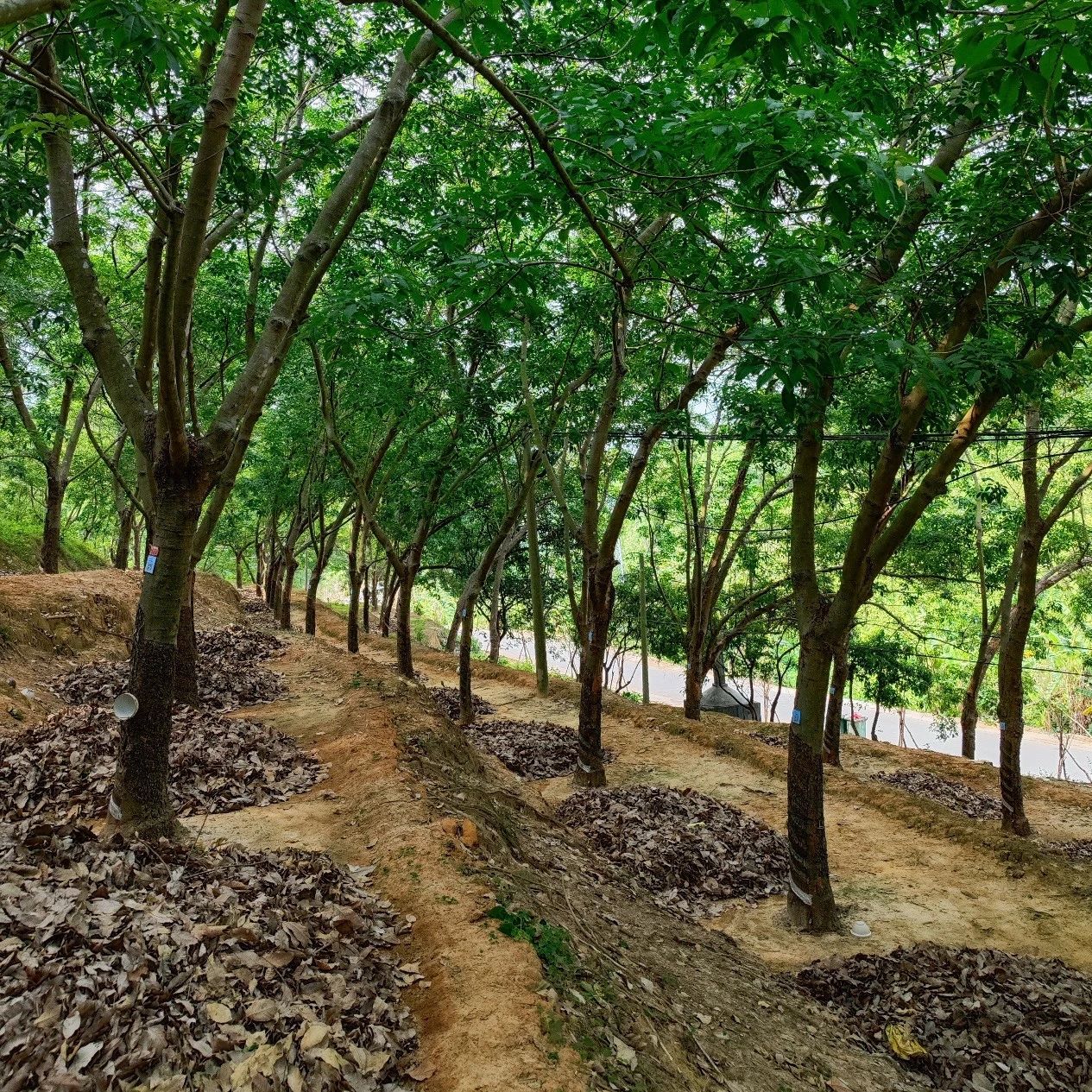
Core Viewpoint - The article emphasizes the importance of the Shanghai Futures Exchange's "Stabilization Action" project for natural rubber production in China, highlighting its role in addressing industry pain points and supporting rubber farmers [1][3]. Group 1: Industry Overview - China's natural rubber planting area is approximately 18 million mu, primarily located in Yunnan, Hainan, and Guangdong, with an annual production of around 900,000 tons, while the consumption is over 7 million tons, leading to an import dependency of over 80% [3][4]. - The economic benefits of rubber planting are insufficient, and harsh working conditions have led to farmers abandoning rubber cultivation, which poses a risk to the stability of the domestic rubber supply [3][4]. Group 2: Stabilization Action Project - The "Stabilization Action" project has provided nearly 27 million yuan in support over four years, covering a total rubber output of 40,000 tons and disbursing 27.71 million yuan in benefits to farmers [4][6]. - The project has significantly boosted farmers' confidence, with one farmer reporting an income of approximately 140,000 yuan in 2024, including over 8,000 yuan from the project, which helped fund their New Year purchases [4][6]. Group 3: Impact and Results - Since its inception in 2019, the project has conducted 76 initiatives, investing 140 million yuan, linking over 200,000 tons of natural rubber output, and achieving an average payout rate of 93% [7][8]. - The project utilizes a "OTC options + secondary settlement" model, allowing farmers to benefit from price fluctuations, with some projects achieving payout rates exceeding 100% in 2024 [7][8]. Group 4: Development of Rubber Derivatives Market - The penetration of futures tools in the rubber industry has increased, with upstream companies and traders fully utilizing these tools, while downstream tire manufacturers are beginning to engage more with futures for hedging [9][10]. - The Shanghai rubber futures market has become a global leader, with the introduction of synthetic rubber futures and options in 2023, enhancing the pricing mechanism of the rubber industry [9][10].