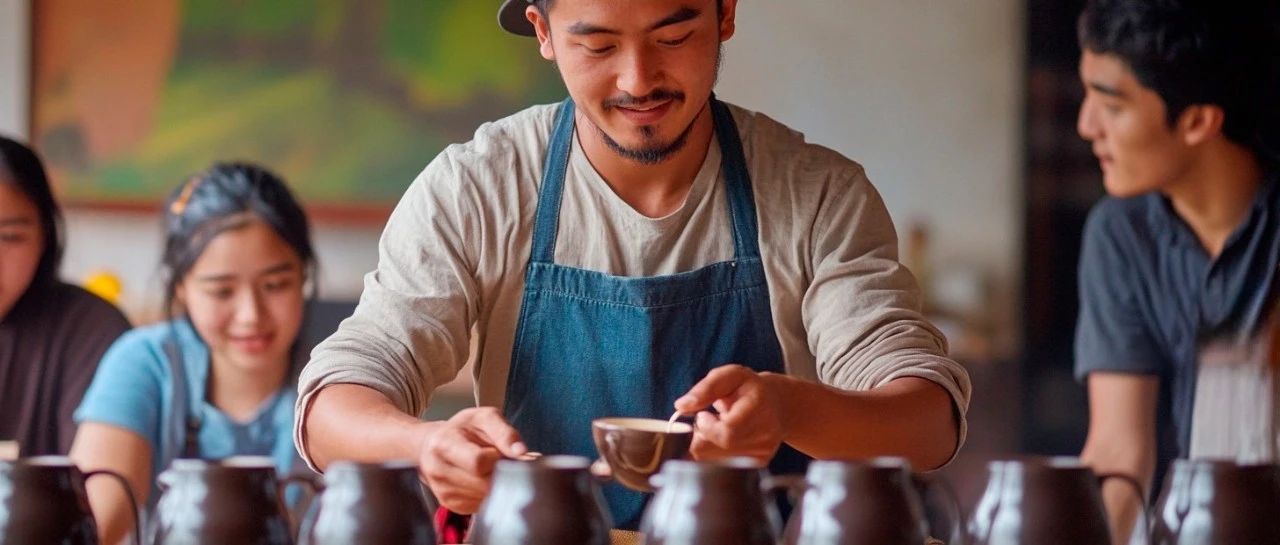
咖啡培训课程

Search documents
新华视点丨文旅新体验点亮消费新图景
Xin Hua Wang· 2026-02-03 06:46
Group 1: Transformation of Local Consumption - The local consumption scene is evolving, transforming from a simple grocery shopping area to a vibrant space filled with diverse flavors and activities, exemplified by the Daguanzhuan New Agricultural Market in Kunming, which attracts 50,000 visitors daily and is referred to as a "local cultural museum" [1][8] - The market has undergone multiple upgrades to balance the needs of livelihood security and consumption enhancement, with the second phase of the project set to be completed by August 2025, featuring improved infrastructure and optimized spatial layout based on "category zoning + scene interaction" principles [5][6] - The transformation of the market reflects clear policy directions aimed at promoting service consumption and enhancing service supply capabilities, as outlined in the "Special Action Plan to Boost Consumption" issued by the Central Committee of the Communist Party of China and the State Council [6][8] Group 2: Rise of Experience-Based Consumption - Knowledge-based experiential consumption is gaining popularity in the tourism market, shifting from traditional sightseeing and shopping to experiences centered around personal interests, driven by policies aimed at expanding domestic demand and fostering new growth points in service consumption [10][15] - Cultural and heritage spaces are evolving from mere exhibition functions to complex experiential scenarios, allowing visitors to engage interactively with cultural artifacts, as seen in the archaeological research institute in Chongqing [12][15] - The shift in consumer preferences from material consumption to service-oriented consumption is evident, with traditional tourism focusing on standardized products, while experiential consumption emphasizes user participation in content design, making it more appealing to consumers [16]


中国90后,“占领”了尼泊尔的培训班
创业邦· 2025-03-24 10:23
Core Viewpoint - The article discusses the increasing trend of Chinese students traveling to Nepal for affordable training programs, highlighting the cultural exchange and personal growth experienced by these individuals in a country recognized as one of the least developed globally [2][3][12]. Group 1: Chinese Students in Nepal - A new wave of Chinese students, including those laid off from tech companies, are flocking to Nepal for training programs, particularly in English and various skills, due to the low cost and high quality of education [2][3][12]. - The average GDP per capita in Nepal is approximately $1,400, which is about one-tenth of China's, making it an attractive destination for cost-effective learning [2][3]. - The influx of Chinese students has led to a significant presence in local training institutions, with reports indicating that classrooms are often dominated by Chinese learners [5][6]. Group 2: Cultural Exchange and Learning Experience - Chinese students are experiencing a cultural shock as they interact with local Nepali students, leading to a deeper understanding of South Asian culture [3][28]. - The training programs in Nepal are noted for their affordability, with costs significantly lower than similar courses in China, prompting students to take multiple classes simultaneously [9][11][22]. - The quality of training is generally perceived as high, with many instructors being experienced professionals, including former national athletes [18][41]. Group 3: Economic Impact on Local Industry - The growing number of Chinese students is stimulating the local training industry and related sectors, including housing, as demand for accommodations rises [25][26]. - The presence of Chinese students has led to increased competition in the training market, with some local institutions considering raising their fees due to the influx [46]. - Local businesses, including English tutoring services tailored for Chinese students, are emerging as a response to this demand, indicating a shift in the educational landscape [25][26]. Group 4: Personal Growth and Reflection - Many Chinese students report a shift in their mindset, experiencing a more relaxed and less competitive environment compared to their previous work culture in China [32][34]. - The article highlights the contrast between the high-pressure work culture in China and the more laid-back lifestyle in Nepal, prompting students to reflect on their values and priorities [35][36]. - The spiritual and cultural practices of Nepali people, including their approach to work and life, have led some Chinese students to question their own life choices and the societal pressures they face back home [35][40].