
知识型体验消费

Search documents
新华视点|文旅新体验点亮消费新图景
Xin Hua She· 2026-02-03 12:00
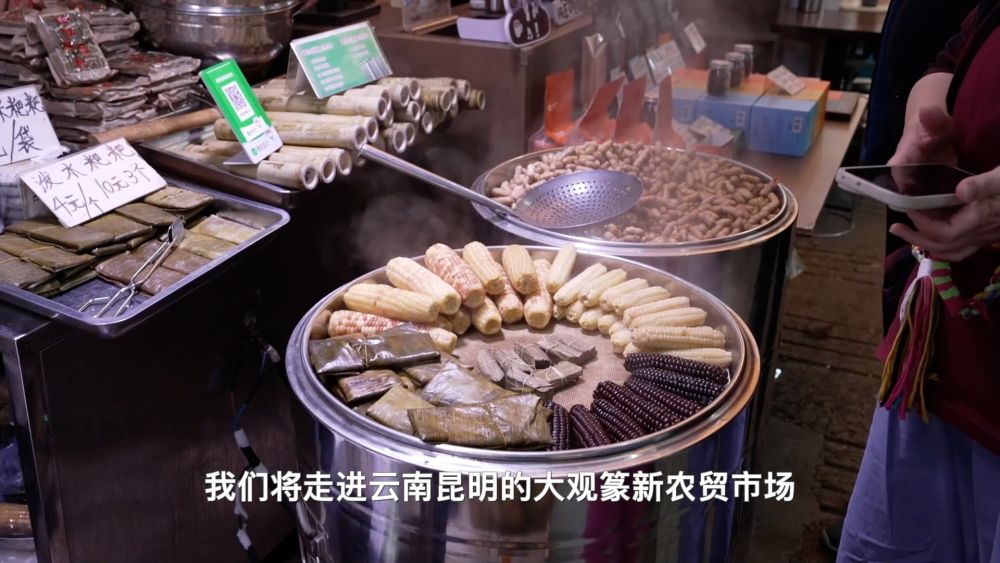
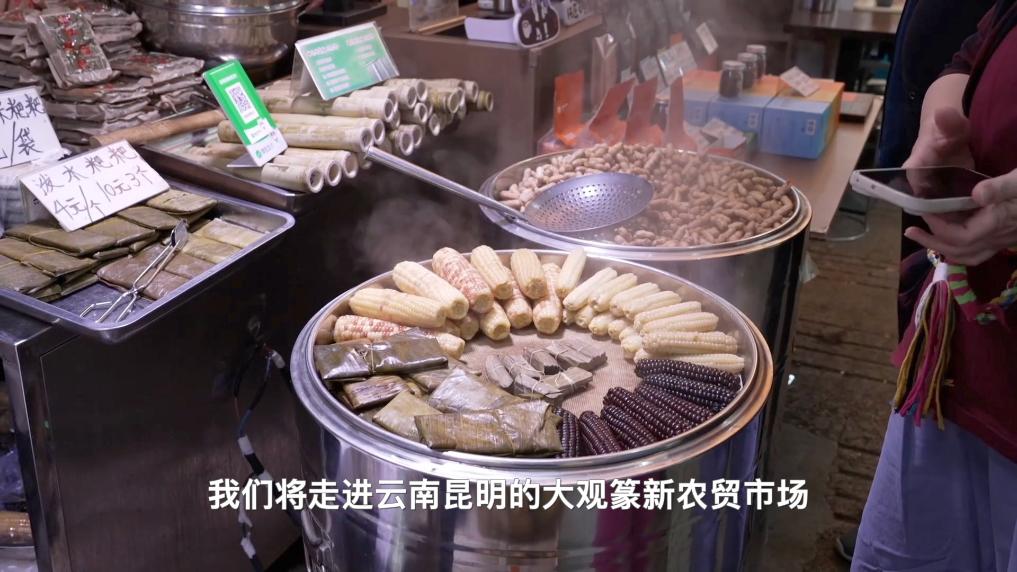
Group 1 - The core idea of the article is the transformation of local consumption spaces, particularly in the context of the Daguanzhuan New Agricultural Market in Kunming, which has evolved from a traditional market into a vibrant cultural and consumption hub attracting 50,000 visitors daily [1][9] - The market features a variety of stalls showcasing local Yunnan specialties, with vendors like Xiao Tianhua offering seasonal wild vegetables and flowers, highlighting the connection between local agriculture and consumer experiences [3] - The market's successful transformation is attributed to strategic upgrades that balance public welfare and consumer demand, with plans for further enhancements by August 2025 to improve infrastructure and optimize space layout [5] Group 2 - The revitalization of local consumption scenes aligns with clear policy directions from the central government, emphasizing the promotion of service consumption and the integration of various sectors such as commerce, culture, and tourism [6] - The shift from traditional markets to experiential consumption is evident in the rise of knowledge-based experience consumption in the tourism sector, reflecting changing consumer preferences towards more engaging and participatory experiences [8][14] - The transformation of cultural spaces into multifaceted experience venues is becoming a trend, as seen in various locations where visitors engage in hands-on activities, enhancing their understanding and appreciation of cultural heritage [11][12]

新华视点丨文旅新体验点亮消费新图景
Xin Hua Wang· 2026-02-03 06:46
Group 1: Transformation of Local Consumption - The local consumption scene is evolving, transforming from a simple grocery shopping area to a vibrant space filled with diverse flavors and activities, exemplified by the Daguanzhuan New Agricultural Market in Kunming, which attracts 50,000 visitors daily and is referred to as a "local cultural museum" [1][8] - The market has undergone multiple upgrades to balance the needs of livelihood security and consumption enhancement, with the second phase of the project set to be completed by August 2025, featuring improved infrastructure and optimized spatial layout based on "category zoning + scene interaction" principles [5][6] - The transformation of the market reflects clear policy directions aimed at promoting service consumption and enhancing service supply capabilities, as outlined in the "Special Action Plan to Boost Consumption" issued by the Central Committee of the Communist Party of China and the State Council [6][8] Group 2: Rise of Experience-Based Consumption - Knowledge-based experiential consumption is gaining popularity in the tourism market, shifting from traditional sightseeing and shopping to experiences centered around personal interests, driven by policies aimed at expanding domestic demand and fostering new growth points in service consumption [10][15] - Cultural and heritage spaces are evolving from mere exhibition functions to complex experiential scenarios, allowing visitors to engage interactively with cultural artifacts, as seen in the archaeological research institute in Chongqing [12][15] - The shift in consumer preferences from material consumption to service-oriented consumption is evident, with traditional tourism focusing on standardized products, while experiential consumption emphasizes user participation in content design, making it more appealing to consumers [16]
经济政策一线微观察|跟着兴趣去旅行:“知识型体验消费”为何走红?
Xin Hua Wang· 2026-01-29 13:55
Core Insights - The travel market is shifting towards "knowledge-based experiential consumption," driven by policies aimed at expanding domestic demand and fostering new growth points in service consumption [1][4]. Group 1: Trends in Consumer Preferences - There is a noticeable shift in consumer preferences from material consumption to service-oriented consumption, with a focus on experiential learning rather than traditional sightseeing and shopping [4]. - The traditional tourism industry, characterized by standardized products, is evolving to meet the demand for personalized and participatory experiences [4]. Group 2: Development of Knowledge-Based Experiences - Knowledge-based experiential consumption is expanding the boundaries of cultural and tourism consumption, with offerings such as coffee-making classes and interactive cultural heritage workshops [3]. - The integration of intangible cultural heritage projects into tourism routes is creating unique and differentiated consumption experiences across various regions [3][4]. Group 3: Policy Support and Future Outlook - The State Council's 2024 directive emphasizes innovation to stimulate endogenous growth in service consumption, aiming to support high-quality economic development [3]. - By 2025, there is an expectation of significant participation in experiential learning programs, such as coffee training, with projections of nearly 1,000 students obtaining certificates [3].
