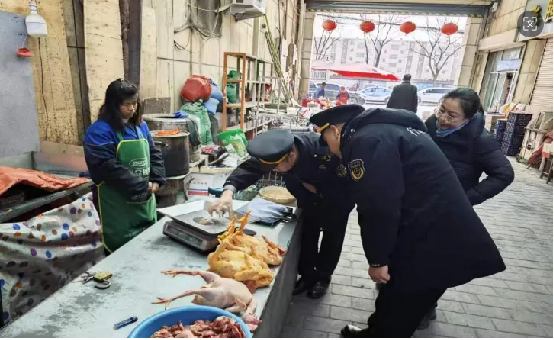
农贸市场

Search documents
新鲜地道划算,游客爱上菜场和集市|新春走基层
Di Yi Cai Jing· 2026-02-23 07:22
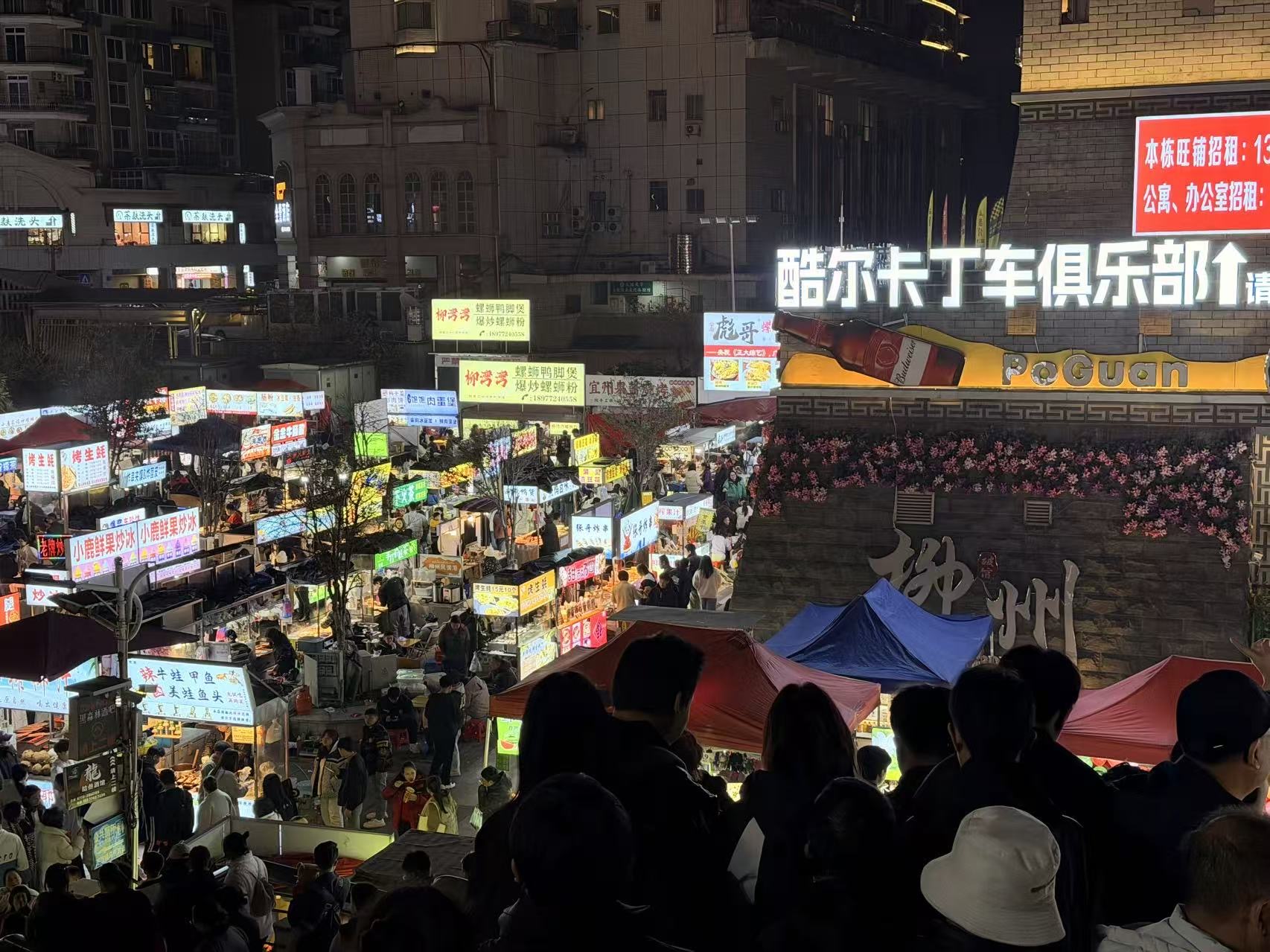
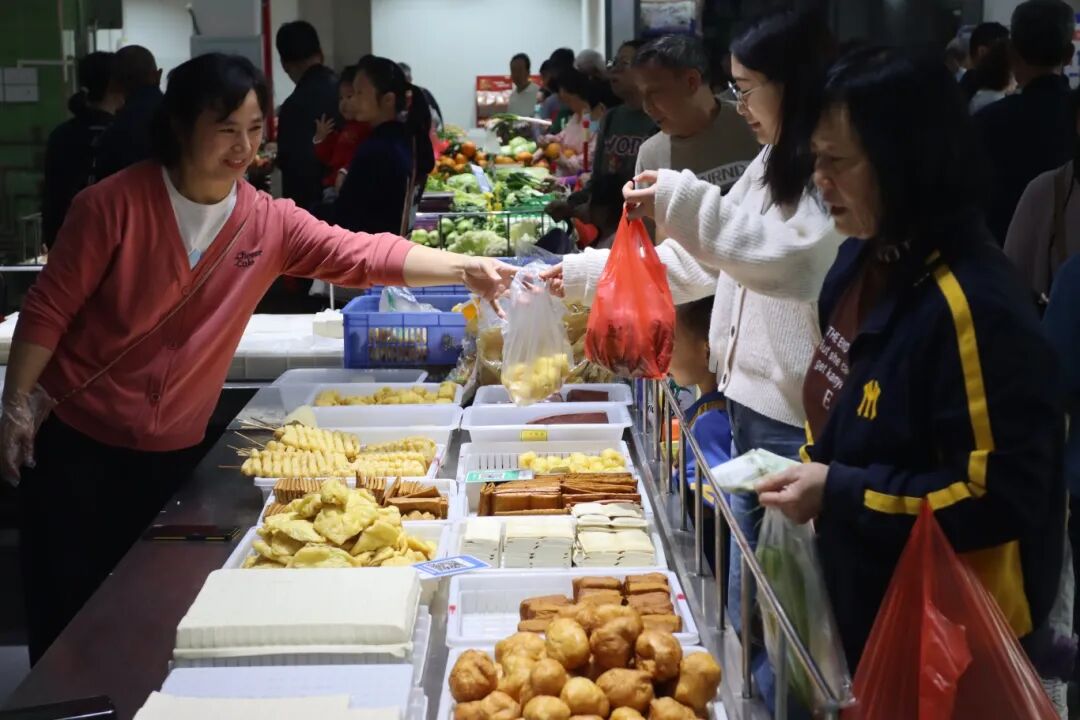
Core Insights - The rise of local markets and food stalls is attracting tourists, driven by their fresh, authentic, and affordable offerings, transforming them into popular destinations for visitors [1][4][8] Group 1: Market Trends - Local markets are becoming increasingly popular among tourists, with unique offerings and experiences that cater to the growing demand for authentic local culture [1][4] - The transformation of traditional markets into diverse business models that include fresh produce, ready-to-eat foods, and local specialties is essential for attracting visitors [4][8] - The success of markets like the Red Special Street in Harbin demonstrates the importance of effective management and regulatory practices to maintain quality and trust among tourists [11][13] Group 2: Consumer Behavior - Younger consumers are shifting their preferences towards experiential and localized shopping, seeking high-quality, culturally distinctive products [8][17] - The emergence of niche markets, such as pet supplies and senior products, reflects the deepening of consumer segmentation and the potential for targeted community engagement [14][17] - Tourists are increasingly interested in purchasing local specialties and souvenirs, indicating a trend towards experiential tourism that emphasizes local culture and products [6][16] Group 3: Management Challenges - The influx of tourists presents management challenges for local markets, including maintaining cleanliness and service quality, which are critical for sustaining visitor interest [9][13] - Effective management strategies, such as vendor registration and health certifications, are necessary to build trust and ensure food safety in popular markets [11][13] - The balance between commercialization and authenticity is crucial, as excessive commercialization may dilute the unique cultural experiences that attract visitors [8][9]

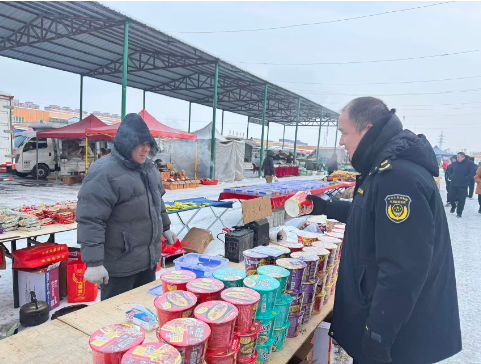
新疆乌苏市市场监管局开展节前农贸市场专项检查喜迎佳节
Zhong Guo Shi Pin Wang· 2026-02-13 03:18
Group 1 - The core focus of the inspection by the Urumqi Market Supervision Bureau is to ensure a safe and comfortable consumption environment during the upcoming Spring Festival by regulating prices, ensuring accurate measurements, and maintaining food safety [1][5]. - The inspection adopted a "full coverage and on-site correction" approach, targeting key markets and checking a total of 253 fixed shops and 98 stalls, with 12 stalls being ordered to rectify non-compliance issues on the spot [3][5]. - The bureau emphasized a combination of "supervision and service," focusing on key food categories such as fresh meat, seafood, fruits, vegetables, and staple goods, ensuring that operators have valid licenses and health certificates [5]. Group 2 - The Urumqi Market Supervision Bureau plans to increase the frequency of market inspections leading up to the festival and maintain open channels for complaints regarding price fraud, measurement cheating, and food safety risks [5]. - The bureau has implemented strict measures against "short weight" practices and has verified 68 electronic scales to ensure fair measurement for consumers [3][5]. - The overall goal is to uphold market order and ensure that citizens can enjoy a safe and peaceful Spring Festival [5].
江西省新余市市场监管局全力守护市场安全底线
Xin Lang Cai Jing· 2026-02-10 04:36
Group 1 - The Jiangxi Province's Xinyu City Market Supervision Administration is focusing on maintaining fair trade and ensuring public safety through targeted special rectification actions to effectively regulate market order [1] - A crackdown on "unfair clauses" is being implemented, particularly in seven key industries closely related to public life, including extracurricular training for students, catering, housekeeping, property services, utilities, cultural tourism, and e-commerce [1] - A total of 169 business entities were inspected, resulting in 27 rectification notices issued and 17 cases of illegal format clauses being investigated, which has significantly enhanced compliance awareness among operators and improved the market consumption environment [1] Group 2 - Efforts are being made to create orderly agricultural markets, focusing on key areas such as fresh seafood, poultry, and bulk food sales, with strict checks on food purchase records, shelf life, and compliance with documentation requirements [2] - Illegal activities such as selling expired food, unregistered products, and price gouging are being rigorously addressed, with 108 business entities inspected and 6 safety hazards rectified [2] - Enforcement personnel are distributing food safety and consumer rights materials to both operators and consumers to promote relevant laws and consumer knowledge, encouraging lawful business practices and raising public awareness [2]
珠海全市禁止!最新提醒→
Xin Lang Cai Jing· 2026-02-09 14:05
Core Viewpoint - The Zhuhai Municipal Market Supervision Administration has issued a reminder to regulate pricing behavior in agricultural markets, emphasizing the importance of fair pricing, transparency, and consumer protection [1][3]. Group 1: Pricing Regulations - Market operators are required to adhere to national pricing laws and principles of fairness, legality, and honesty in pricing, avoiding price fraud, collusion, and price gouging [1][4]. - The reminder aims to maintain stable prices for essential consumer goods and protect consumer rights [1]. Group 2: Price Transparency - Operators must implement clear pricing practices by displaying prices prominently using price tags, electronic displays, and other effective means, ensuring that all prices are accurate and updated promptly [3][4]. - The prohibition of hidden charges and practices such as "shadow pricing" is emphasized to safeguard consumer rights [3]. Group 3: Market Management Responsibilities - Market organizers are responsible for establishing effective price management systems and cooperating with regulatory authorities to ensure compliance among vendors [4]. - Continuous monitoring of price fluctuations for essential goods is necessary to protect consumer interests, and consumers are encouraged to report any violations [4].
三亚市市场监管局开展节前市场规范经营指导 全力保障春节期间市场秩序稳定
Xin Lang Cai Jing· 2026-02-06 06:35
Core Insights - The article discusses the efforts of Sanya's Market Supervision Administration to ensure market regulation during the Spring Festival, focusing on creating a safe and orderly consumption environment for the holiday season [1][2][3] Group 1: Market Regulation Efforts - The Market Supervision Administration conducted on-site guidance in major markets and supermarkets from February 3 to 4, emphasizing the importance of regulating business practices during the festive period [1] - Key areas of focus included ensuring clear pricing, food safety, and compliance with labeling standards for bulk food products [2] Group 2: Risk Prevention Measures - The administration highlighted the need for clear and accurate pricing information for all products, particularly fresh produce and holiday gifts, to prevent price fraud and ensure consumer rights [2] - Food safety measures were reinforced, including checks on staff health management and hygiene practices in food preparation areas [2] - A system for verifying incoming goods was implemented, requiring random checks of suppliers' qualifications and product certifications to ensure legal sourcing and quality [2] Group 3: Stakeholder Engagement - The administration engaged in discussions with market operators and supermarket managers to understand recent market supply and price fluctuations, emphasizing the need for responsible business practices during the peak consumption season [3] - Continuous market inspections and strict enforcement against illegal activities were promised to maintain a fair market environment and protect consumer rights [3]
文旅新体验点亮消费新图景
Xin Hua She· 2026-02-05 09:08
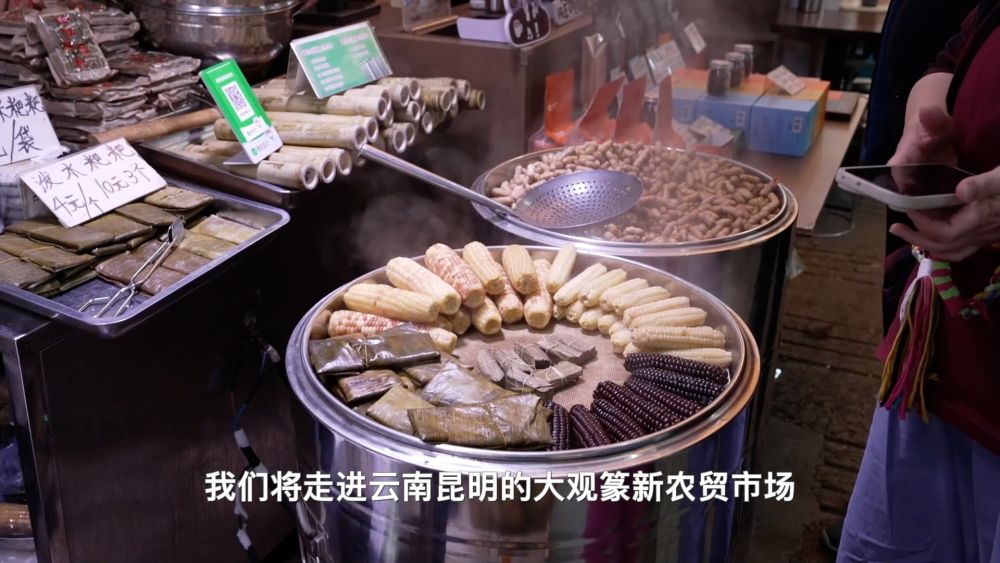
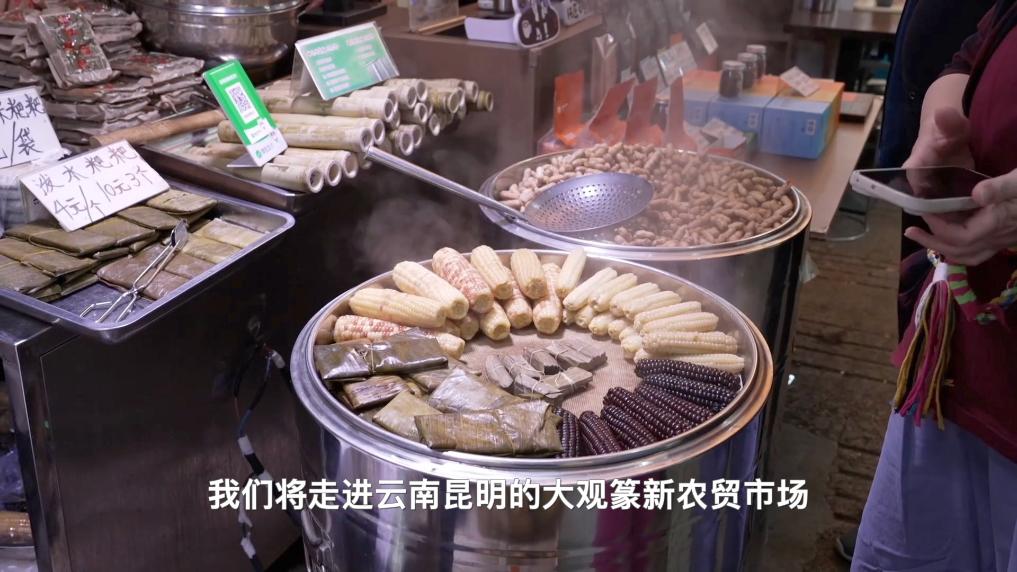
Group 1 - The core viewpoint of the articles highlights the transformation of local consumption spaces, particularly in the context of the "nearby home" concept, which is evolving from basic grocery shopping to vibrant markets that enhance daily life experiences [1][2] - The Daguanzhuan New Agricultural Market in Kunming, Yunnan, serves as a case study, attracting 50,000 visitors daily and being referred to as a "local cultural museum" due to its diverse offerings and community engagement [1] - The market's successful transformation is attributed to strategic upgrades that balance public welfare and consumer demand, with plans for further enhancements by August 2025 to improve infrastructure and optimize space layout [1] Group 2 - The revitalization of local consumption scenes is supported by clear policy directions from the Chinese government, emphasizing the importance of service consumption and the integration of various sectors such as commerce, culture, and tourism [2] - The shift from a traditional agricultural market to a cultural and tourism landmark reflects the broader urban development goals, enhancing the attractiveness and convenience of local amenities for residents [2] Group 3 - The rise of knowledge-based experiential consumption is becoming a new trend in the cultural and tourism market, driven by policies aimed at expanding domestic demand and fostering new growth points in service consumption [3][5] - Examples of this trend include coffee-making classes and interactive museum experiences, which allow consumers to engage actively and learn, thus transforming the nature of travel and consumption [3][4][6] - The focus on experiential consumption indicates a shift in consumer preferences from material goods to service-oriented experiences, highlighting the need for businesses to adapt their offerings to meet these evolving demands [4][6]
新华视点|文旅新体验点亮消费新图景
Xin Hua She· 2026-02-03 12:00
Group 1 - The core idea of the article is the transformation of local consumption spaces, particularly in the context of the Daguanzhuan New Agricultural Market in Kunming, which has evolved from a traditional market into a vibrant cultural and consumption hub attracting 50,000 visitors daily [1][9] - The market features a variety of stalls showcasing local Yunnan specialties, with vendors like Xiao Tianhua offering seasonal wild vegetables and flowers, highlighting the connection between local agriculture and consumer experiences [3] - The market's successful transformation is attributed to strategic upgrades that balance public welfare and consumer demand, with plans for further enhancements by August 2025 to improve infrastructure and optimize space layout [5] Group 2 - The revitalization of local consumption scenes aligns with clear policy directions from the central government, emphasizing the promotion of service consumption and the integration of various sectors such as commerce, culture, and tourism [6] - The shift from traditional markets to experiential consumption is evident in the rise of knowledge-based experience consumption in the tourism sector, reflecting changing consumer preferences towards more engaging and participatory experiences [8][14] - The transformation of cultural spaces into multifaceted experience venues is becoming a trend, as seen in various locations where visitors engage in hands-on activities, enhancing their understanding and appreciation of cultural heritage [11][12]
新华视点丨文旅新体验点亮消费新图景
Xin Hua Wang· 2026-02-03 06:46
Group 1: Transformation of Local Consumption - The local consumption scene is evolving, transforming from a simple grocery shopping area to a vibrant space filled with diverse flavors and activities, exemplified by the Daguanzhuan New Agricultural Market in Kunming, which attracts 50,000 visitors daily and is referred to as a "local cultural museum" [1][8] - The market has undergone multiple upgrades to balance the needs of livelihood security and consumption enhancement, with the second phase of the project set to be completed by August 2025, featuring improved infrastructure and optimized spatial layout based on "category zoning + scene interaction" principles [5][6] - The transformation of the market reflects clear policy directions aimed at promoting service consumption and enhancing service supply capabilities, as outlined in the "Special Action Plan to Boost Consumption" issued by the Central Committee of the Communist Party of China and the State Council [6][8] Group 2: Rise of Experience-Based Consumption - Knowledge-based experiential consumption is gaining popularity in the tourism market, shifting from traditional sightseeing and shopping to experiences centered around personal interests, driven by policies aimed at expanding domestic demand and fostering new growth points in service consumption [10][15] - Cultural and heritage spaces are evolving from mere exhibition functions to complex experiential scenarios, allowing visitors to engage interactively with cultural artifacts, as seen in the archaeological research institute in Chongqing [12][15] - The shift in consumer preferences from material consumption to service-oriented consumption is evident, with traditional tourism focusing on standardized products, while experiential consumption emphasizes user participation in content design, making it more appealing to consumers [16]
探访斗门坭湾市场:近场停车难,明码标价等消费细节待提升
Sou Hu Cai Jing· 2026-02-02 13:28
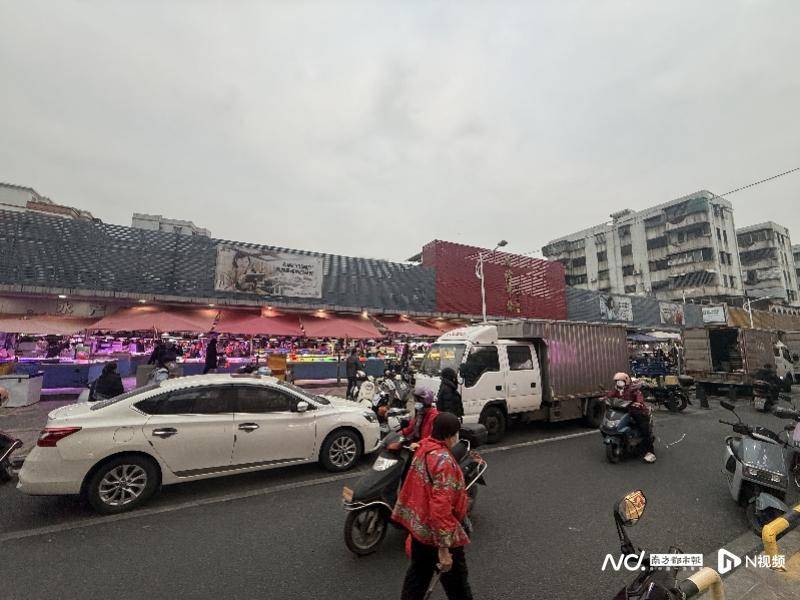
Core Viewpoint - The evaluation of the Doumen Niwan Market in Zhuhai highlights the need for improvements in parking convenience, pricing transparency, and measurement integrity, despite overall good management and hygiene standards [2][4][15]. Group 1: Parking Order - The market has limited parking spaces, with nearby areas being occupied by motorcycles and trucks, making it difficult for shoppers to find close parking [5]. - There are social parking lots and metered parking available about 100 meters away, which are less congested [5]. - No accessible parking spaces are provided, but all pathways remain unobstructed [5]. Group 2: Environmental Hygiene - The market environment is generally clean, with proper maintenance and mosquito control measures in place [6]. - Although some litter is present, each stall is equipped with garbage bins, and there is no significant odor or waste accumulation [6]. - Regular pest control measures are conducted, and records are available for verification [6]. Group 3: Business Management - The market operates without illegal vendors, and there is a structured management of mobile vendors [8]. - Promotional materials and business licenses are displayed, but there is a lack of price lists for products [8]. - Food safety inspections are conducted by a third-party agency, with results publicly available [10]. Group 4: Consumer Experience - The quality of vegetables and meat is generally good, although some seafood stalls have mixed quality [12]. - Instances of "reverse rounding" in pricing were noted, where customers were charged more than the displayed price [13]. - The absence of price tags and issues with weight measurement transparency were observed, indicating areas for improvement [13][15].
兰州市红古区市场监督管理局节前“秤”心守护 筑牢农贸市场计量公平防线
Xin Lang Cai Jing· 2026-02-02 04:36
Core Viewpoint - The Lanzhou Honggu District Market Supervision Administration is conducting a special measurement inspection in agricultural markets ahead of the Spring Festival, focusing on measurement issues related to aquatic products and meat [1] Group 1: Inspection Details - A total of 2 agricultural markets and 24 vendors were inspected, with 29 measurement instruments verified, and no instances of "cheating scales" or measurement violations were found [3] - The inspection included checking electronic weighing scales and platform scales for certification labels, lead seals, and weighing accuracy, with immediate rectification orders issued for any identified issues [1][3] Group 2: Regulatory Actions and Future Plans - Law enforcement personnel conducted legal education and awareness campaigns, informing vendors about measurement regulations and guiding consumers on how to identify problematic instruments and protect their rights [3] - The Honggu District Market Supervision Administration plans to continue strengthening measurement supervision before the festival, maintaining a "zero tolerance" policy towards violations and ensuring smooth complaint and reporting channels to create a fair and trustworthy consumption environment for the public [3]