
哈尔滨之夏音乐会

Search documents
冰雪与音符共谱春曲(文化中国行·中国年味 时代气象)
Ren Min Ri Bao· 2026-02-18 00:20
Core Viewpoint - Harbin, known as the "Ice City," is recognized as a "City of Music" by UNESCO, showcasing a vibrant musical culture that enhances the festive atmosphere during the Spring Festival [3][4]. Group 1: Musical Heritage and Events - The Harbin Symphony Orchestra, established in 1908, plays a significant role in the city's musical landscape, with performances during the Spring Festival from the second to the fourteenth day of the lunar new year [4]. - The Harbin Music Museum attracts many visitors during the Spring Festival, featuring the UNESCO award and original manuscripts of popular local songs [5]. - Harbin hosts over 2,000 community art teams and organizes more than 1,000 music events annually, engaging approximately one million participants [6]. Group 2: Cultural Fusion and Community Engagement - Harbin is one of the earliest cities in China to embrace European classical music, blending various musical cultures, including symphonic, folk, and contemporary styles during the Spring Festival [7]. - The city’s music scene fosters a sense of community, with local and international musicians collaborating and sharing their traditions, enhancing the festive spirit [8]. Group 3: Winter Wonderland and Musical Integration - The Harbin Ice and Snow World features a unique "ice music landmark," where music and visual art converge to create an immersive experience for visitors [9][10]. - The design of the Ice and Snow World incorporates music as a central theme, enhancing the winter festivities and creating a vibrant atmosphere for tourists [10][11]. - The integration of music and ice sculptures allows visitors to engage with the art, making the experience of celebrating the Spring Festival in Harbin memorable [11].

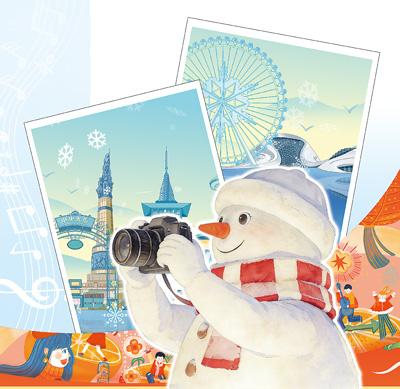
看,文艺范儿的“宝藏尔滨”(“十五五”文化热词·文化旅游业)
Ren Min Ri Bao· 2025-12-09 22:32
Core Insights - Harbin is leveraging its cultural and artistic resources, particularly in music and theater, to enhance its tourism industry and attract visitors [1][2][3] Group 1: Cultural and Artistic Development - The musical "Under the Night of Harbin" premiered in July, achieving an average attendance rate of 96%, with 12% of the audience traveling from other cities to watch the show [2] - Harbin's rich musical heritage, recognized by UNESCO as a "City of Music," includes the Harbin Symphony Orchestra and various music venues, which serve as cultural landmarks [3] - The "Harbin Summer Music Festival," established in 1961, has evolved into a significant driver of cultural tourism, with over 3,000 performances planned for 2025 [3] Group 2: Tourism and Visitor Experience - The integration of cultural experiences into tourism is evident, with initiatives like the "Night Harbin" cruise and guided tours to landmarks featured in the musical [2] - The city received 41.14 million visitors during the music festival, with 30% of them specifically coming for the music events [3] - The Harbin Grand Theatre has introduced various conveniences, such as free shuttle services and discounts, leading to a 35% increase in surrounding hospitality and dining revenues [4] Group 3: Urban Revitalization and Cultural Integration - Harbin is revitalizing historical districts by connecting cultural landmarks, enhancing the city's historical narrative and tourism appeal [6] - The transformation of old streets into vibrant cultural spaces, featuring cafes and markets, encourages longer stays and deeper engagement from visitors [5][6] - The city's cultural tourism strategy emphasizes immersive experiences and the integration of local culture into tourism products, aligning with national development goals for the cultural tourism sector [7]