
音乐剧《夜幕下的哈尔滨》

Search documents
黑龙江哈尔滨构建廉洁文化矩阵清风廉韵沁人心
Zhong Yang Ji Wei Guo Jia Jian Wei Wang Zhan· 2025-12-30 02:15
Core Viewpoint - The article emphasizes the importance of building a clean and honest culture in Harbin, integrating it into various aspects of society, including public spaces, family values, and community activities, to foster a strong sense of integrity and moral responsibility among citizens [6][16]. Group 1: Clean Culture Initiatives - Harbin is leveraging its ice and snow cultural resources to create a clean brand, establishing ice and snow-themed parks that incorporate elements of integrity, allowing citizens and tourists to experience clean culture while enjoying winter activities [5][11]. - The city has developed a comprehensive responsibility system for clean culture, detailing 48 tasks and assigning specific responsibilities to various departments to ensure effective implementation [6][7]. - The city has introduced clean culture-themed metro stations, such as "Ice and Snow World: Pure and Clean," which creatively integrate local cultural elements to promote integrity among passengers [6][8]. Group 2: Educational Efforts - The Harbin Party School has included clean culture courses in its curriculum, ensuring that education on integrity reaches various levels and formats, with 218 participants trained this year [8][10]. - Various enterprises in Harbin are encouraged to innovate in spreading clean culture, with initiatives like poetry competitions and exhibitions to enhance employees' awareness of integrity [9][10]. - The city has launched a series of original theatrical performances that highlight integrity themes, engaging the community and promoting moral values through popular art forms [10][11]. Group 3: Family and Community Engagement - Harbin has prioritized family values in its clean culture initiatives, organizing events that encourage families to uphold integrity and share stories of good family practices [12][13]. - The city has issued letters and commitments to enhance awareness of integrity among leaders and their families, fostering a culture of accountability and moral responsibility [13][14]. - Community activities, such as sharing sessions on family virtues, are being conducted to strengthen the moral fabric of society and promote a culture of integrity [12][13]. Group 4: Cultural Integration - The integration of clean culture with local historical and cultural resources, such as the legacy of anti-Japanese heroes, is being utilized to reinforce the values of integrity and responsibility [11][12]. - Harbin's approach to clean culture is characterized by a systematic and collaborative effort, involving multiple departments and community stakeholders to create a cohesive and pervasive cultural narrative [16][17]. - The article highlights the subtle yet impactful ways in which clean culture is being embedded in daily life, promoting a lifestyle of integrity and moral clarity among citizens [16][17].

京产大戏 新作佳作耀舞台
Xin Lang Cai Jing· 2025-12-24 22:53
Core Viewpoint - The article highlights the flourishing stage productions in Beijing, showcasing the city's rich cultural heritage and contemporary themes, while emphasizing the integration of performing arts with tourism and commerce [1][8]. Group 1: Cultural Heritage and Thematic Exploration - Beijing's stage creations are deeply rooted in its cultural soil, utilizing various art forms to explore themes related to the city's history and traditions [3][4]. - Notable works include the original play "Jin Zhong Du," which focuses on historical events, and adaptations like "Luo Tuo Xiang Zi," which revives classic narratives from old Beijing [3][4]. - Productions also reflect modern Beijing's vibrancy, such as "Yi Ri Ding Liu," which discusses artificial intelligence, and "Yuan Fang De La Sa He," based on real stories of aid workers [4] Group 2: Commemorative Works - A significant number of productions commemorate historical events, such as the 80th anniversary of the victory in the Anti-Japanese War, with works like "Ye Huo Chun Feng Dou Gu Cheng" and "Hong Gao Liang" [6][7]. - These productions aim to evoke national memory and resonate with contemporary audiences, reflecting on themes of resistance and identity [6][7]. Group 3: Awards and Market Performance - Beijing's cultural institutions have achieved notable recognition, with multiple awards at the 18th Wenhua Awards, indicating a strong foundation for stage creation [8]. - From January to September, the city hosted approximately 45,000 performances, attracting over 11.23 million attendees and generating ticket sales exceeding 4.198 billion yuan, reflecting a healthy demand for performing arts [8].

【人民日报】看,文艺范儿的“宝藏尔滨”
Ren Min Ri Bao· 2025-12-10 00:33
Core Insights - Harbin is leveraging its cultural and artistic resources, particularly in music and theater, to enhance its tourism industry and attract visitors [1][2][3] Group 1: Cultural Events and Tourism - The musical "Under the Night of Harbin" premiered in July, achieving an average attendance rate of 96%, with 12% of the audience traveling from other cities specifically to watch the show [2] - The Harbin Grand Theatre has introduced activities like the "Night Harbin" cruise to extend the audience's experience beyond the theater, encouraging visitors to explore the city [2] - The "Harbin Summer Music Festival," established in 1961, has become a significant driver of cultural tourism, with over 4.1 million visitors in 2023, 30% of whom came for the music [3] Group 2: Urban Revitalization and Cultural Integration - Harbin is recognized as a "City of Music" by UNESCO, with a rich musical heritage that includes one of China's earliest symphony orchestras and various music-related landmarks [3] - The city is revitalizing historical areas by connecting cultural landmarks, such as the Baroque historical protection district, to enhance the urban experience [4][5] - Recent upgrades to historical districts have transformed them into vibrant spaces with modern cafes and markets, encouraging longer stays and deeper engagement from visitors [5]
【人民日报】在音乐剧中打开城市记忆
Ren Min Ri Bao· 2025-12-10 00:33
Core Viewpoint - The musical adaptation of the novel "Under the Nightfall in Harbin" aims to blend historical memory with contemporary artistic expression, making it accessible to younger audiences while preserving the essence of the original story [1][2]. Group 1: Historical Context and Themes - The story is set in the 1930s in Harbin, focusing on the underground struggles against Japanese invaders, with the protagonist Wang Yimin as a Communist underground member [1]. - The musical commemorates the 80th anniversary of the victory in the Chinese People's War of Resistance Against Japanese Aggression and the World Anti-Fascist War, serving as a reminder of the nation's historical sacrifices [1]. Group 2: Artistic Approach and Audience Engagement - The creative team conducted field research in Harbin to capture the city's historical and cultural essence, aiming to recreate the atmosphere of "mysterious Harbin under the night" on stage [1]. - The adaptation seeks to maintain the original character development and thematic conflicts while introducing new elements, such as a dual identity for the protagonist, enhancing visual appeal and mystery [2]. - The musical format, characterized by emotionally rich performances, resonates with contemporary audiences, particularly the youth, facilitating a dialogue between history and modern ideals [2]. Group 3: Cultural Significance - The project emphasizes the importance of red classics as a cultural treasure and a source of inspiration for original Chinese musicals, aiming to convey enduring youthful energy [2].
看,文艺范儿的“宝藏尔滨”(“十五五”文化热词·文化旅游业)
Ren Min Ri Bao· 2025-12-09 22:32
Core Insights - Harbin is leveraging its cultural and artistic resources, particularly in music and theater, to enhance its tourism industry and attract visitors [1][2][3] Group 1: Cultural and Artistic Development - The musical "Under the Night of Harbin" premiered in July, achieving an average attendance rate of 96%, with 12% of the audience traveling from other cities to watch the show [2] - Harbin's rich musical heritage, recognized by UNESCO as a "City of Music," includes the Harbin Symphony Orchestra and various music venues, which serve as cultural landmarks [3] - The "Harbin Summer Music Festival," established in 1961, has evolved into a significant driver of cultural tourism, with over 3,000 performances planned for 2025 [3] Group 2: Tourism and Visitor Experience - The integration of cultural experiences into tourism is evident, with initiatives like the "Night Harbin" cruise and guided tours to landmarks featured in the musical [2] - The city received 41.14 million visitors during the music festival, with 30% of them specifically coming for the music events [3] - The Harbin Grand Theatre has introduced various conveniences, such as free shuttle services and discounts, leading to a 35% increase in surrounding hospitality and dining revenues [4] Group 3: Urban Revitalization and Cultural Integration - Harbin is revitalizing historical districts by connecting cultural landmarks, enhancing the city's historical narrative and tourism appeal [6] - The transformation of old streets into vibrant cultural spaces, featuring cafes and markets, encourages longer stays and deeper engagement from visitors [5][6] - The city's cultural tourism strategy emphasizes immersive experiences and the integration of local culture into tourism products, aligning with national development goals for the cultural tourism sector [7]
文化“出彩” 城市“出圈”(编辑手记)
Ren Min Ri Bao· 2025-12-09 22:32
Group 1 - The article highlights the increasing popularity of cultural IPs in Harbin, such as musical dramas and concerts, which attract visitors and boost local tourism [1] - Diverse performances introduced at Harbin Grand Theatre cater to young audiences, enhancing local hospitality and dining industries [1] - Online marketing and themed activities create platforms for youth interaction, expanding cultural and tourism consumption [1] Group 2 - Harbin Symphony Orchestra and Ballet Troupe continue to uphold the city's cultural heritage while innovating in artistic expression [1] - The musical "Under the Night of Harbin" integrates modern stage language with historical themes, engaging young audiences with the city's history [1] - The article emphasizes the importance of unique cultural identity in enhancing Harbin's competitiveness in the cultural tourism sector [1]
在音乐剧中打开城市记忆(新语)
Ren Min Ri Bao· 2025-12-09 22:32
Core Viewpoint - The musical adaptation of the novel "Under the Nightfall of Harbin" revives a significant historical narrative from the 1930s, focusing on the underground struggles against Japanese invaders, while aiming to resonate with contemporary audiences, especially the youth [1][2]. Group 1: Historical Context and Themes - The story is set in Harbin during the 1930s, highlighting the underground resistance led by the protagonist Wang Yimin, a member of the Communist Party, who uses his role as a teacher to engage in a battle of wits against Japanese aggressors [1]. - The musical commemorates the 80th anniversary of the victory in the Chinese People's War of Resistance against Japanese Aggression and the World Anti-Fascist War, merging historical memory with modern artistic expression [1]. Group 2: Creative Adaptation and Audience Engagement - The creative team undertook field research in Harbin to authentically capture the city's historical essence and atmosphere, aiming to reflect the "mysterious night of Harbin" through music and visual elements [1]. - The adaptation faces the challenge of balancing the original novel's character development and themes of faith and cultural resonance while introducing new elements to engage modern audiences [2]. - The musical's emotional performances and dynamic music are designed to connect with contemporary viewers, particularly the youth, fostering discussions on social media and enhancing the dialogue between historical narratives and modern aesthetics [2]. Group 3: Cultural Significance - The adaptation of red classics like "Under the Nightfall of Harbin" serves as a cultural treasure and a source of inspiration for original Chinese musicals, aiming to convey enduring youthful energy and ideals [2].
向世界发出冰雪邀约
Ren Min Wang· 2025-11-17 01:40
Core Viewpoint - The "100-Day Action Plan for Winter Ice and Snow Tourism in Heilongjiang Province (2025-2026)" aims to establish Heilongjiang as a world-class ice and snow tourism destination, enhancing visitor experiences through a series of initiatives and product offerings [2][4]. Group 1: Ice and Snow Tourism Development - The "100-Day Action" will run from November 8, 2025, to February 28, 2026, under the brand "Crown of Ice and Snow, Beautiful Longjiang," focusing on ten enhancement actions [2]. - The 27th Harbin Ice and Snow World will cover an area of 1.2 million square meters, using 400,000 cubic meters of ice and snow, the largest in history [3]. - The Sun Island Snow Expo and Songhua River Ice and Snow Carnival will also feature extensive attractions, contributing to a triad of major ice and snow tourism sites [3]. Group 2: Diverse Tourism Experiences - A multi-layered, comprehensive ice and snow product matrix will be developed, featuring ten themed routes that allow visitors to experience various attractions across the province [4]. - The integration of cultural and tourism experiences will be emphasized, with events like the original musical "Under the Nightfall of Harbin" and performances by renowned artists scheduled for the winter season [5][6]. Group 3: Service Enhancements - The introduction of "warm stations" along popular tourist routes will provide amenities such as hot drinks and charging stations, enhancing visitor comfort [7]. - A new credit evaluation platform for travel agencies and tour guides has been launched, allowing tourists to select reliable service providers based on their ratings [8]. - The province is committed to improving service quality through various measures, including multilingual support and emergency services, ensuring a welcoming environment for both domestic and international tourists [8].
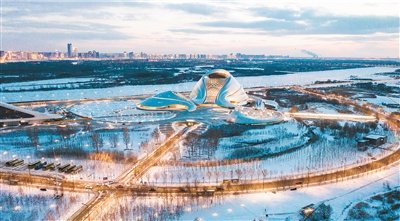
以艺术力量赓续革命精神 抗战文艺作品集中亮相多维度重现波澜壮阔历史
Yang Shi Wang· 2025-08-23 03:54
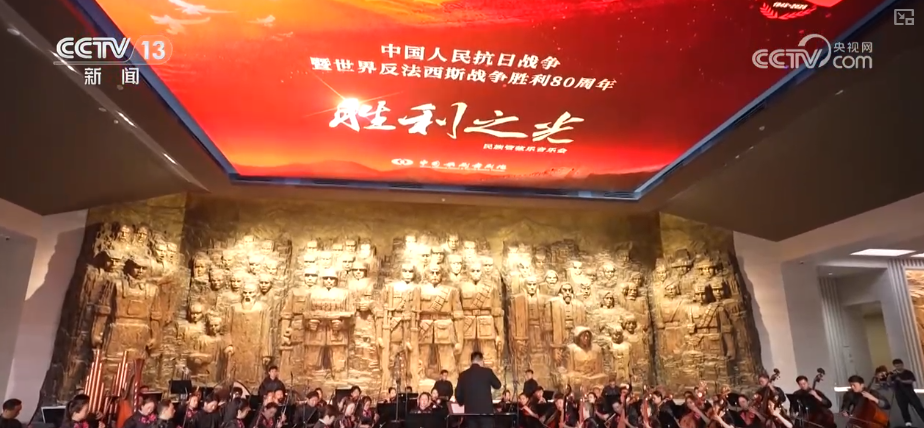
Group 1 - A large number of outstanding stage art works and exhibitions themed on the commemoration of the victory of the Chinese People's Anti-Japanese War and the World Anti-Fascist War are being presented to the audience, showcasing the historical significance through artistic expression [1] - The concert "Light of Victory" by the National Orchestra of China Opera and Dance Theater highlights the awakening of the Chinese nation from adversity and the struggle during wartime, allowing the audience to feel the great spirit of resistance through music [4] - Numerous high-quality anti-war themed stage art works are being performed across the country, including the original play "Qiantang Haoge" by the Zhejiang Drama Troupe, which depicts the historical efforts of figures like Mao Yisheng in building bridges and resisting enemies [8] Group 2 - The art sector is also vibrant, with exhibitions such as "People's Victory" at the National Art Museum of China, showcasing various art forms like Chinese painting, oil painting, and sculpture to reflect the commitment of artists in igniting the spirit of resistance through their work [10]
纪念中国人民抗日战争暨世界反法西斯战争胜利80周年优秀舞台艺术作品展演在京拉开帷幕
Xin Hua She· 2025-08-22 15:06
Group 1 - The event commemorating the 80th anniversary of the victory in the Chinese People's Anti-Japanese War and the World Anti-Fascist War will take place from late August to late October 2025 in Beijing, featuring 22 outstanding stage art performances nationwide [1] - The participating works emphasize the themes of "remembering history, commemorating martyrs, cherishing peace, and creating the future," including various genres such as dance dramas, concerts, and plays that reflect both international perspectives and local struggles during the war [2] - The performances will be held in 11 theaters, with approximately 40 offline shows, and will also be broadcast online through various media platforms to reach a wider audience and enhance the impact of the event [3]