
国泰稳健收益一年持有混合(FOF)

Search documents
又有公募FOF降费;2025年公募机构自购近49亿元
Sou Hu Cai Jing· 2025-12-31 09:45
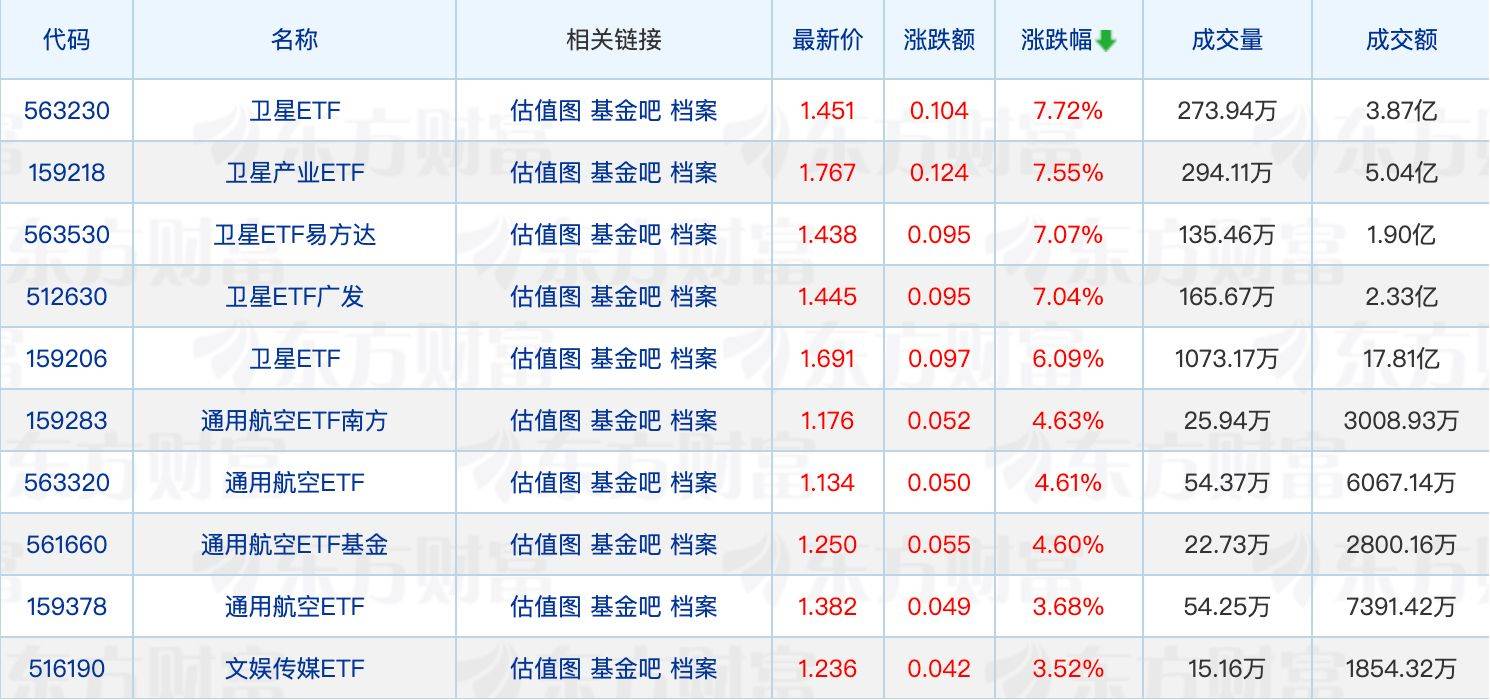
Group 1: Fund Management and Market Trends - Several public funds have reduced management fees, with Guotai Stable Income One-Year Holding Mixed Fund lowering its management fee from 0.9% to 0.3% and custody fee from 0.2% to 0.08% [1] - Public fund institutions have net subscribed nearly 4.9 billion yuan to equity funds in 2025, an increase of over 2.5 billion yuan compared to 2024, representing a growth rate of over 110% [2] - The number of new public fund products reached 1,553 in 2025, a year-on-year increase of 35.87%, marking a four-year high in issuance [3] Group 2: Insights from Fund Managers - Yang Delong from Qianhai Kaiyuan Fund highlighted that the technology stock market in 2026 will remain a key investment theme, driven by the "14th Five-Year Plan" focusing on technological innovation and strategic industries [4] Group 3: ETF Market Performance - On December 31, satellite ETFs experienced significant gains, with the highest increase reaching 7.72% [4] - The top-performing satellite ETFs included Satellite ETF with a price increase of 7.72% and Satellite Industry ETF with a 7.55% rise [5] - Conversely, the Jin Ying Gain Money Market ETF led the decline, dropping over 4% [6] Group 4: Future Opportunities in the Market - The "14th Five-Year Plan" period is expected to accelerate the launch of satellite constellations in China, making satellite ETFs a potential investment focus [7]

公募FOF降费“阵营”持续扩大
Xin Lang Cai Jing· 2025-12-30 23:15
Core Viewpoint - The public fund industry is experiencing a deepening trend of fee reductions, with the FOF (Fund of Funds) sector emerging as a new focal point for these efforts [1][4]. Group 1: Fee Reductions Announced - Guotai Fund announced a reduction in management and custody fees for its Guotai Stable Income One-Year Holding Mixed Fund (FOF), lowering the management fee from 0.9% to 0.3% and the custody fee from 0.2% to 0.08%, effective December 30, 2025 [1][4]. - Other public FOFs have also joined the fee reduction trend, such as Huaxia Ju Yi Preferred Three-Month Holding Bond (FOF) reducing its management fee from 0.3% to 0.2% starting March 24, 2025, and Bank of China’s Pension Target Date 2050 Five-Year Holding Mixed Fund (FOF) reducing its management fee from 0.9% to 0.6% and custody fee from 0.15% to 0.10% starting April 11, 2025 [1][4]. Group 2: Industry Trends and Insights - The fee reduction for public FOFs is seen as a continuation and deepening of the public fund industry's fee reduction actions, following the release of the "Public Fund Industry Fee Rate Reform Work Plan" in July 2023 [2][5]. - Industry experts believe that regulatory guidance is pushing the fee reform deeper, with a clear requirement to lower investor costs, and that lower fees are more suitable for long-term investment needs, particularly for pension-targeted FOFs [2][5]. Group 3: Impact on Investors and Institutions - Fee reductions are expected to lower holding costs for investors, enhancing long-term return potential and holding experience, while also compelling public institutions to shift from a "scale-driven" approach to an "ability-driven" one, thereby strengthening research and asset allocation capabilities [3][6]. - The trend of fee reductions is believed to refocus industry competition on research capabilities and services, fostering a sustainable ecosystem centered on investor interests and accelerating the exit of underperforming products [3][6]. Group 4: Recommendations for Investors - Investors are advised to consider not only the fee rates of public FOFs but also the research capabilities and performance stability of the products [6]. - Public FOFs are highlighted as important tools for asset allocation, providing risk diversification and enhanced returns through systematic multi-asset allocation, especially with the inclusion of QDII funds and public REITs [6].
公募FOF降费“阵营”持续扩大 管理费年费率低至0.2%
Zheng Quan Ri Bao· 2025-12-30 16:17
Core Viewpoint - The public fund industry is experiencing a deepening trend of fee reductions, with the FOF (Fund of Funds) sector emerging as a new focal point for these efforts [1][2][3] Group 1: Fee Reductions in FOF - Guotai Fund announced a reduction in management and custody fees for its Guotai Stable Income One-Year Holding Mixed (FOF) fund, lowering the management fee from 0.9% to 0.3% and the custody fee from 0.2% to 0.08%, effective December 30, 2025 [1] - Other public FOFs have also joined the fee reduction trend, such as Huaxia Ju Yi Preferred Three-Month Holding Bond (FOF) reducing its management fee from 0.3% to 0.2% starting March 24, 2025 [1] - Southern Fund plans to reduce the management fee of its Southern Haoyu Stable 18-Month Holding Mixed (FOF) from 0.8% to 0.5%, effective January 5, 2026 [2] Group 2: Industry Insights and Trends - The fee reduction in public FOFs is seen as a continuation and deepening of the public fund industry's fee reform initiated by the July 2023 announcement of the "Public Fund Industry Fee Rate Reform Work Plan" [2] - Industry experts believe that the low fee rates are more suitable for long-term investment needs, particularly for pension-targeted FOFs, and that increasing market competition has made fee reductions a crucial strategy for attracting and retaining clients [2] - The ongoing low-interest-rate environment and declining yields on fixed-income assets have made investors more sensitive to the overall cost of fund investments, further driving the trend of fee reductions in public FOFs [2] Group 3: Implications for Investors and Fund Managers - The fee reductions are expected to lower holding costs for investors, enhancing long-term return potential and overall holding experience [3] - For public fund institutions, the fee reductions compel a shift from a "scale-driven" approach to a "capability-driven" model, emphasizing research and asset allocation capabilities to improve stable excess return generation [3] - Public FOFs serve as important tools for asset allocation, providing risk diversification and enhanced returns through systematic multi-asset allocation, particularly by including QDII funds and public REITs [3]