图像处理半导体(GPU)

Search documents
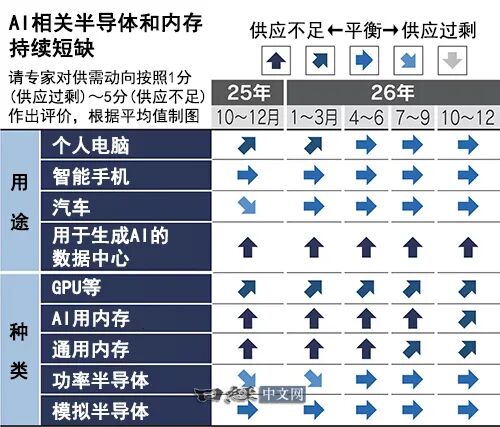
半导体市场2026年将继续上演内存争夺战
3 6 Ke· 2026-01-10 02:51
Core Viewpoint - The semiconductor market is expected to face a significant supply shortage for AI-related semiconductors in 2026, impacting general memory products used in smartphones and personal computers due to prioritization of higher-margin AI products by major companies [1][4]. Group 1: Semiconductor Supply and Demand - Experts predict a supply shortage for AI semiconductors, particularly for GPUs and high-bandwidth memory (HBM), with production lines running at full capacity [2][4]. - The price of DRAM for temporary storage is expected to rise by 50-55% quarter-on-quarter, while NAND prices are projected to increase by 33-38% [1]. - The overall semiconductor market is forecasted to grow by 26% year-on-year in 2026, reaching approximately $975.4 billion [5]. Group 2: Impact on General Memory Products - General memory products for smartphones and personal computers are also experiencing shortages due to the focus on AI products, which may lead to a decrease in overall shipment volumes for these devices [4]. - The rising prices of memory components could negatively affect the sales of low-cost smartphones, as they may not be able to absorb the increased costs [4]. Group 3: Market Dynamics and Risks - There are concerns regarding over-investment in AI data centers, particularly by companies like Oracle, which could disrupt semiconductor supply-demand dynamics if AI demand fluctuates [5]. - The automotive semiconductor sector is expected to see moderate recovery, although opinions on the strength of this recovery vary [4].


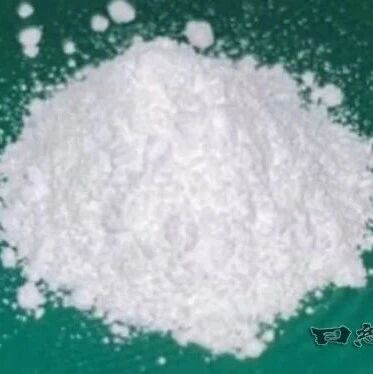
三井金属将量产半导体热膨胀抑制材料
日经中文网· 2025-10-13 02:54
Core Viewpoint - Mitsui Mining & Smelting is set to mass-produce a negative thermal expansion material that can achieve a shrinkage rate approximately seven times greater than existing low thermal expansion materials, addressing the growing demand for semiconductors driven by AI advancements [2][6]. Group 1: Product Development - The negative thermal expansion material is designed to suppress thermal expansion in semiconductor packaging, which has been a challenge with traditional materials like spherical silica [2][5]. - The company has completed the technical development of mixing this compound into packaging materials to mitigate resin thermal expansion and is awaiting certification from packaging manufacturers [5]. Group 2: Market Context - The semiconductor industry requires not only the miniaturization of individual chip circuits but also the integration of multiple chips onto substrates, which increases the risk of cracking and deformation due to thermal effects [4]. - The introduction of this new material aims to ensure stable supply and performance of advanced semiconductors, particularly in high-density integration scenarios [4].