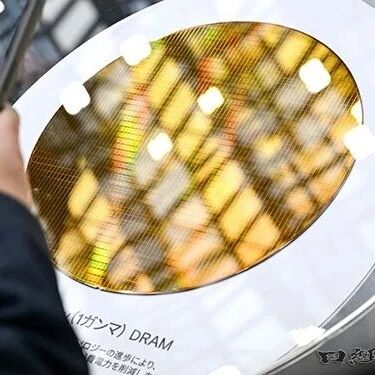
AI用半导体

Search documents
半导体市场2026年将继续上演内存争夺战
3 6 Ke· 2026-01-10 02:51
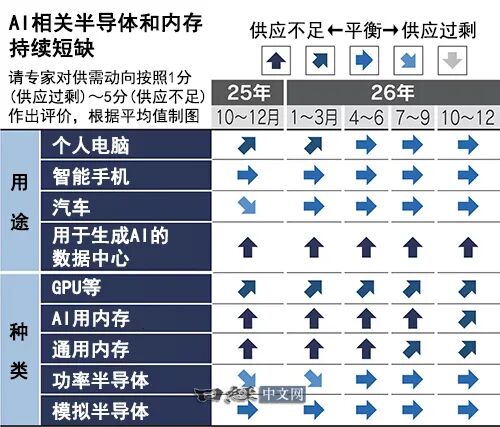
Core Viewpoint - The semiconductor market is expected to face a significant supply shortage for AI-related semiconductors in 2026, impacting general memory products used in smartphones and personal computers due to prioritization of higher-margin AI products by major companies [1][4]. Group 1: Semiconductor Supply and Demand - Experts predict a supply shortage for AI semiconductors, particularly for GPUs and high-bandwidth memory (HBM), with production lines running at full capacity [2][4]. - The price of DRAM for temporary storage is expected to rise by 50-55% quarter-on-quarter, while NAND prices are projected to increase by 33-38% [1]. - The overall semiconductor market is forecasted to grow by 26% year-on-year in 2026, reaching approximately $975.4 billion [5]. Group 2: Impact on General Memory Products - General memory products for smartphones and personal computers are also experiencing shortages due to the focus on AI products, which may lead to a decrease in overall shipment volumes for these devices [4]. - The rising prices of memory components could negatively affect the sales of low-cost smartphones, as they may not be able to absorb the increased costs [4]. Group 3: Market Dynamics and Risks - There are concerns regarding over-investment in AI data centers, particularly by companies like Oracle, which could disrupt semiconductor supply-demand dynamics if AI demand fluctuates [5]. - The automotive semiconductor sector is expected to see moderate recovery, although opinions on the strength of this recovery vary [4].


半导体市场2026年将继续上演内存争夺战
日经中文网· 2026-01-10 00:34
Core Viewpoint - The semiconductor market is expected to face a supply shortage, particularly for AI-related semiconductors, while general memory products for smartphones and personal computers are also experiencing shortages due to prioritization of higher-margin AI products [2][5][7]. Group 1: Semiconductor Supply and Demand - Experts predict a supply shortage for AI semiconductors, especially for GPUs, with production lines operating at full capacity [5]. - The demand for high-bandwidth memory (HBM) used in GPU computations is outpacing supply, prompting companies like Micron Technology to expand production [5]. - General memory products for smartphones and PCs are also in short supply, as major companies focus on producing more profitable AI-related products [7]. Group 2: Market Trends and Price Movements - Samsung Electronics reported a record operating profit of 20 trillion KRW for Q4 2025, driven by a 50-55% increase in DRAM prices and a 33-38% increase in NAND prices [4]. - The semiconductor market is projected to grow by 26% in 2026, reaching approximately $975.4 billion, nearing the $1 trillion mark [8]. - Concerns have been raised about potential over-investment in AI data centers by companies like Oracle, which could disrupt semiconductor supply-demand dynamics if AI demand fluctuates [8]. Group 3: Future Outlook - The DRAM prices are expected to continue rising in the first half of 2026, influenced by high demand from data centers [7]. - There are mixed opinions on the recovery of automotive semiconductors, with some experts warning of potential supply shortages and price increases starting in early 2026 [7]. - The overall shipment volumes of smartphones and personal computers may decline due to rising memory costs, particularly affecting lower-priced models [7].