图像生成

Search documents
特朗普放大招!为给AI供电,美国重启停摆核电站,能源底牌曝光
Sou Hu Cai Jing· 2025-12-16 10:30
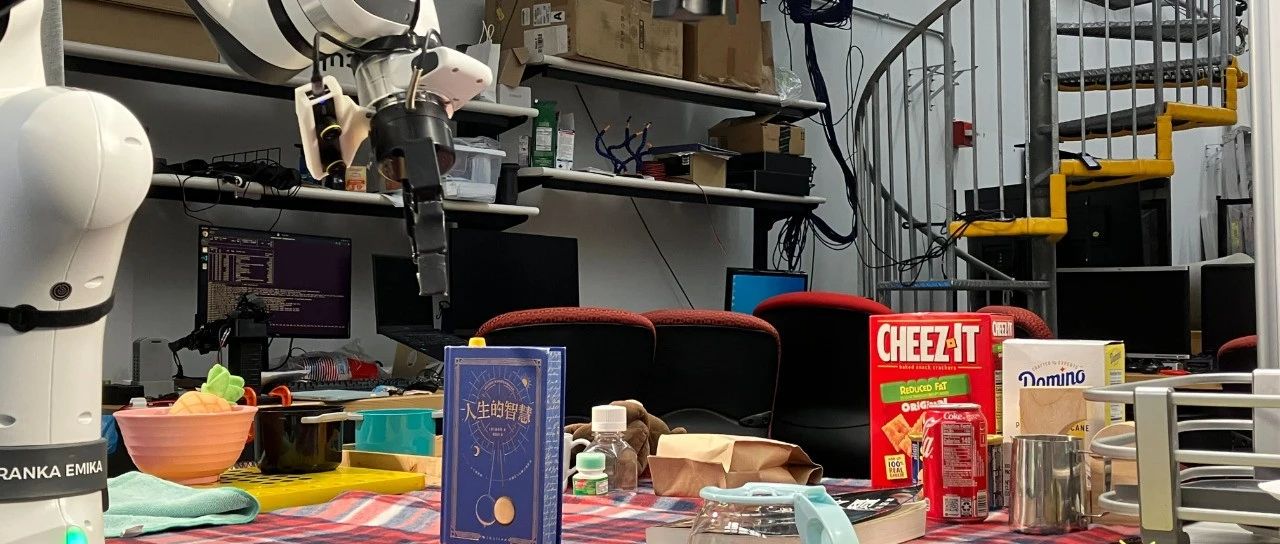
Core Insights - The revival of the Palisades Nuclear Power Plant in Michigan, which closed in 2022 due to operational losses, marks a significant shift in the U.S. energy landscape as it is set to restart in early 2026, becoming the first nuclear plant to be "resurrected" in U.S. history [1][3][5] Group 1: Energy Demand and AI - The closure of Palisades reflected broader challenges in the U.S. nuclear industry, including high operational costs and public concerns, but the explosive growth of AI has created a "power famine," with global data center electricity consumption increasing by 12% annually over the past five years, projected to double by 2030 to 945 terawatt-hours [6][8] - AI models require substantial energy, with top models needing thousands of GPUs running continuously for months, leading to significant cumulative energy consumption comparable to that of small countries [8][10] - The shift away from fossil fuels and the reliance on intermittent renewable energy sources have exacerbated the electricity gap, prompting tech giants to seek stable nuclear power partnerships [10][12] Group 2: Economic Viability of Nuclear Power - Nuclear power is now viewed as the only energy source that can provide stable, clean, and large-scale electricity, especially as fossil fuels face environmental scrutiny [12][14] - The cost of restarting old nuclear plants is significantly lower, at one-third the cost of building new ones, making them economically attractive for AI companies that prioritize stable power supply over cost [12][14] - The economic revival of the local community surrounding Palisades, which lost 40% of its tax revenue after the plant's closure, highlights the positive impact of the plant's reopening on job creation and property values [15] Group 3: Challenges and Future Outlook - Despite the potential for reviving old nuclear plants, the total capacity from all restartable reactors in the U.S. is only about 3 gigawatts, while the projected demand from AI and data centers could reach 50 gigawatts by 2030, indicating a significant shortfall [17][19] - Public opposition remains a challenge, with historical fears stemming from past nuclear accidents, although current safety standards are reportedly much higher [19][21] - The U.S. nuclear supply chain stands to benefit from the revival of old plants, as manufacturers and fuel suppliers will receive new orders, while the country aims to reduce its dependency on imported fossil fuels [21][23] - The revival of Palisades signals a critical juncture in the energy landscape, as the U.S. must address the growing energy demands of AI while considering the long-term need for new nuclear facilities, which require lengthy approval processes [23][25][26]

VLA+RL还是纯强化?从200多篇工作中看强化学习的发展路线
具身智能之心· 2025-08-18 00:07
Core Insights - The article provides a comprehensive analysis of the intersection of reinforcement learning (RL) and visual intelligence, focusing on the evolution of strategies and key research themes in visual reinforcement learning [5][17][25]. Group 1: Key Themes in Visual Reinforcement Learning - The article categorizes over 200 representative studies into four main pillars: multimodal large language models, visual generation, unified model frameworks, and visual-language-action models [5][17]. - Each pillar is examined for algorithm design, reward engineering, and benchmark progress, highlighting trends and open challenges in the field [5][17][25]. Group 2: Reinforcement Learning Techniques - Various reinforcement learning techniques are discussed, including Proximal Policy Optimization (PPO) and Group Relative Policy Optimization (GRPO), which are used to enhance stability and efficiency in training [15][16]. - The article emphasizes the importance of reward models, such as those based on human feedback and verifiable rewards, in guiding the training of visual reinforcement learning agents [10][12][21]. Group 3: Applications in Visual and Video Reasoning - The article outlines applications of reinforcement learning in visual reasoning tasks, including 2D and 3D perception, image reasoning, and video reasoning, showcasing how these methods improve task performance [18][19][20]. - Specific studies are highlighted that utilize reinforcement learning to enhance capabilities in complex visual tasks, such as object detection and spatial reasoning [18][19][20]. Group 4: Evaluation Metrics and Benchmarks - The article discusses the need for new evaluation metrics tailored to large model visual reinforcement learning, combining traditional metrics with preference-based assessments [31][35]. - It provides an overview of various benchmarks that support training and evaluation in the visual domain, emphasizing the role of human preference data in shaping reward models [40][41]. Group 5: Future Directions and Challenges - The article identifies key challenges in visual reinforcement learning, such as balancing depth and efficiency in reasoning processes, and suggests future research directions to address these issues [43][44]. - It highlights the importance of developing adaptive strategies and hierarchical reinforcement learning approaches to improve the performance of visual-language-action agents [43][44].