
地理围栏

Search documents
一步一广告推送,地理围栏“追杀式营销”边界何在?
2 1 Shi Ji Jing Ji Bao Dao· 2025-11-27 09:02
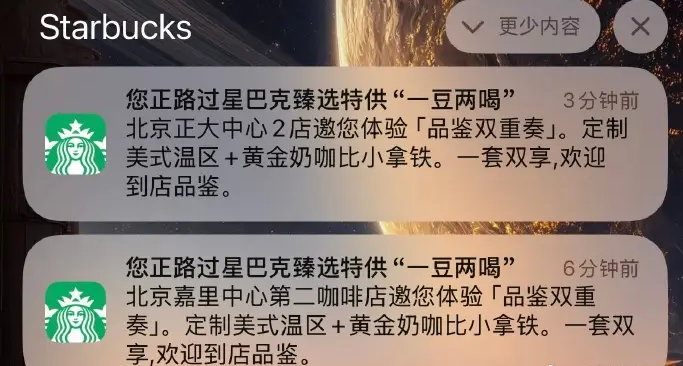
Core Viewpoint - The article discusses the growing concern over privacy issues related to location-based marketing strategies employed by coffee and tea brands, particularly Starbucks China, which has faced complaints regarding excessive personal data collection and marketing push notifications based on users' real-time locations [1][4][8]. Group 1: Privacy Concerns - Starbucks China is facing a privacy complaint due to its app sending location-based promotional notifications, raising concerns about being "tracked" by the app [4][8]. - The use of "geo-fencing" technology by Starbucks, which triggers notifications when users are near a store, has been criticized for not being clearly outlined in the app's privacy policy [5][6][8]. - The article highlights that many consumers have expressed dissatisfaction with the excessive collection of personal information by digital food and beverage services, indicating a broader trend in the industry [4][9]. Group 2: Regulatory Environment - Regulatory bodies have begun to scrutinize the practices of companies like Starbucks for frequently soliciting sensitive personal information, leading to multiple investigations and warnings [9][10]. - The article notes that in June 2023, Starbucks was among 64 mobile applications cited for improper collection and use of personal information [9]. Group 3: Industry Trends - The competitive landscape in the beverage industry is driving companies to rely heavily on data for digital operations, marketing, and customer retention strategies [9][10]. - Starbucks reported a 4% increase in store transaction volume for 2025, but a 5% decrease in average transaction value, prompting the company to enhance promotional efforts through its app [9][10]. - Other brands in the industry, such as Luckin Coffee and CoCo, have also faced similar complaints regarding data privacy, indicating a widespread issue across the sector [9][10].


一步一广告推送,电子围栏“追杀式营销“边界何在?
2 1 Shi Ji Jing Ji Bao Dao· 2025-11-27 08:47
Core Viewpoint - The article discusses the privacy concerns surrounding Starbucks China's use of location-based marketing through its app, highlighting the tension between digital marketing strategies and compliance with personal information protection laws. Group 1: Privacy Concerns - Starbucks China faces a privacy complaint regarding its app's use of location-based push notifications, which some users perceive as intrusive tracking [1][3] - The app's privacy policy does not explicitly mention the use of location data for marketing purposes, raising compliance issues under China's personal information protection laws [3][4] - The company confirmed that the location-based marketing feature has been discontinued in response to user feedback [3] Group 2: Industry Practices - The use of location services for marketing is common in the beverage industry, with many brands collecting sensitive personal information such as phone numbers and location data [4][5] - Other companies in the industry, including Luckin Coffee and CoCo, have also faced scrutiny for similar practices of excessive data collection [4][5] - The competitive landscape in the beverage market drives companies to rely heavily on user data for personalized marketing and customer retention strategies [5] Group 3: Regulatory Environment - Regulatory bodies have begun to focus on the practices of beverage brands regarding personal information collection, with multiple companies being called out for violations [4][5] - The article notes that in June 2023, Starbucks and 64 other mobile applications were reported for improper collection and use of personal information [4]