塑料垃圾

Search documents
纪录片《消费品市场:破碎的体制》全4集4K+1080P免费下载
Sou Hu Cai Jing· 2025-11-02 15:57
Core Insights - The documentary "Broken" by Netflix exposes global consumer traps and industry secrets, aiming to raise awareness before the shopping frenzy of Black Friday [2][4] - It consists of four episodes, each focusing on different consumer products and the hidden costs associated with them [2][4] Episode Summaries - Episode 1: "The Makeup Mess" investigates the rise of counterfeit cosmetics, highlighting the dangers of cheap alternatives that may contain harmful substances like arsenic and lead, primarily targeting the youth through social media marketing [2][3] - Episode 2: "The Big Vape" delves into the marketing tactics of e-cigarette companies like JUUL, revealing how they transformed their image from smoking cessation tools to trendy products for teenagers, alongside the legal repercussions faced for targeting minors [3][4] - Episode 3: "The Deadly Dressing Table" focuses on the safety risks of affordable furniture, noting that in the U.S., someone is sent to the emergency room every 30 minutes due to furniture tipping over, and questioning the hidden costs of minimalist design on vulnerable populations [3][4] - Episode 4: "The Recycling Ruse" addresses the issue of single-use plastics, revealing that only about 9% of plastic is truly recycled, while the rest is often exported or incinerated, critiquing the misleading marketing of recyclability by companies [3][4] Overall Themes - The documentary employs a multi-narrative approach and high-definition visuals to illustrate the interconnectedness of various consumer goods and the hidden costs of low prices, emphasizing the complicity of regulatory gaps, profit-driven motives, and consumer ignorance [4]


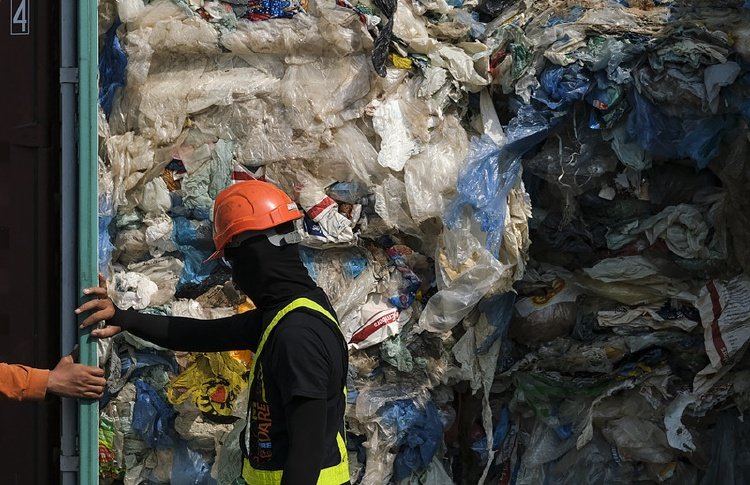
马来西亚的垃圾禁令,让美国犯了难
Guan Cha Zhe Wang· 2025-07-02 05:22
Core Viewpoint - The article discusses Malaysia's recent ban on importing plastic waste from countries like the United States, highlighting the ongoing global issue of plastic waste management and the impact of China's 2018 ban on foreign waste imports [1][4]. Group 1: Malaysia's Plastic Waste Ban - Malaysia has prohibited the import of plastic waste from countries that have not ratified the Basel Convention, which includes the United States [3]. - The ban is a response to the influx of plastic waste following China's ban on foreign waste imports, with Malaysia becoming a primary destination for U.S. plastic waste [1][4]. - In 2024, over 35,000 tons of plastic waste were sent from the U.S. to Malaysia, with many shipments misrepresented as "raw materials" [1]. Group 2: Global Plastic Waste Management Challenges - The U.S. has a plastic recycling rate of less than 10%, leading to significant amounts of waste being landfilled, incinerated, or exported [4]. - Other countries, including Thailand and Indonesia, have also announced bans on plastic waste imports, indicating a growing trend among nations to refuse foreign waste [4]. - Experts suggest that the recycling industry has not fully adapted to the changes in waste export policies, which may lead to plastic waste being redirected to countries with weaker processing capabilities [5]. Group 3: Reactions to the Ban - Environmental organizations and experts have praised Malaysia's decision, urging waste management companies to respect the ban and stop exporting plastic waste to poorer nations [5]. - Critics argue that the export of plastic waste is largely a facade, with only a small percentage being effectively recycled [5].