塔可

Search documents
外号“taco”,在魔都开了塔可店
Xin Lang Cai Jing· 2026-01-07 06:53
Core Insights - The restaurant Tacolicious, located in Shanghai, is a fusion of traditional Mexican cuisine and local flavors, created by Logan Rafael Brouse, who has a deep connection with the city [2][3] Group 1: Restaurant Concept and Offerings - Tacolicious combines classic Mexican tacos with innovative weekly specials, such as the "Peking Duck Taco," showcasing a blend of cultural influences [2] - The restaurant has adjusted its sauce recipes to cater to local tastes, reducing acidity to align with Shanghai's preference for sweeter flavors [3] - A "Taco Eating Guide" has been added to the menu to help customers learn the proper way to enjoy tacos, enhancing their dining experience [4] Group 2: Customer Engagement and Experience - The restaurant has become a popular spot for local customers, with many returning to share the taco experience with family and friends [4] - A memorable incident involved a Sichuan customer challenging the restaurant's extremely spicy "Triple X" sauce, highlighting the varying tolerance levels for spice among different cultures [4] - Tacolicious has fostered a sense of community, with regular customers like Chris celebrating milestones such as birthdays at the restaurant, illustrating the emotional connection built over time [5]


如何把危机公关变营销?
3 6 Ke· 2025-09-18 10:19
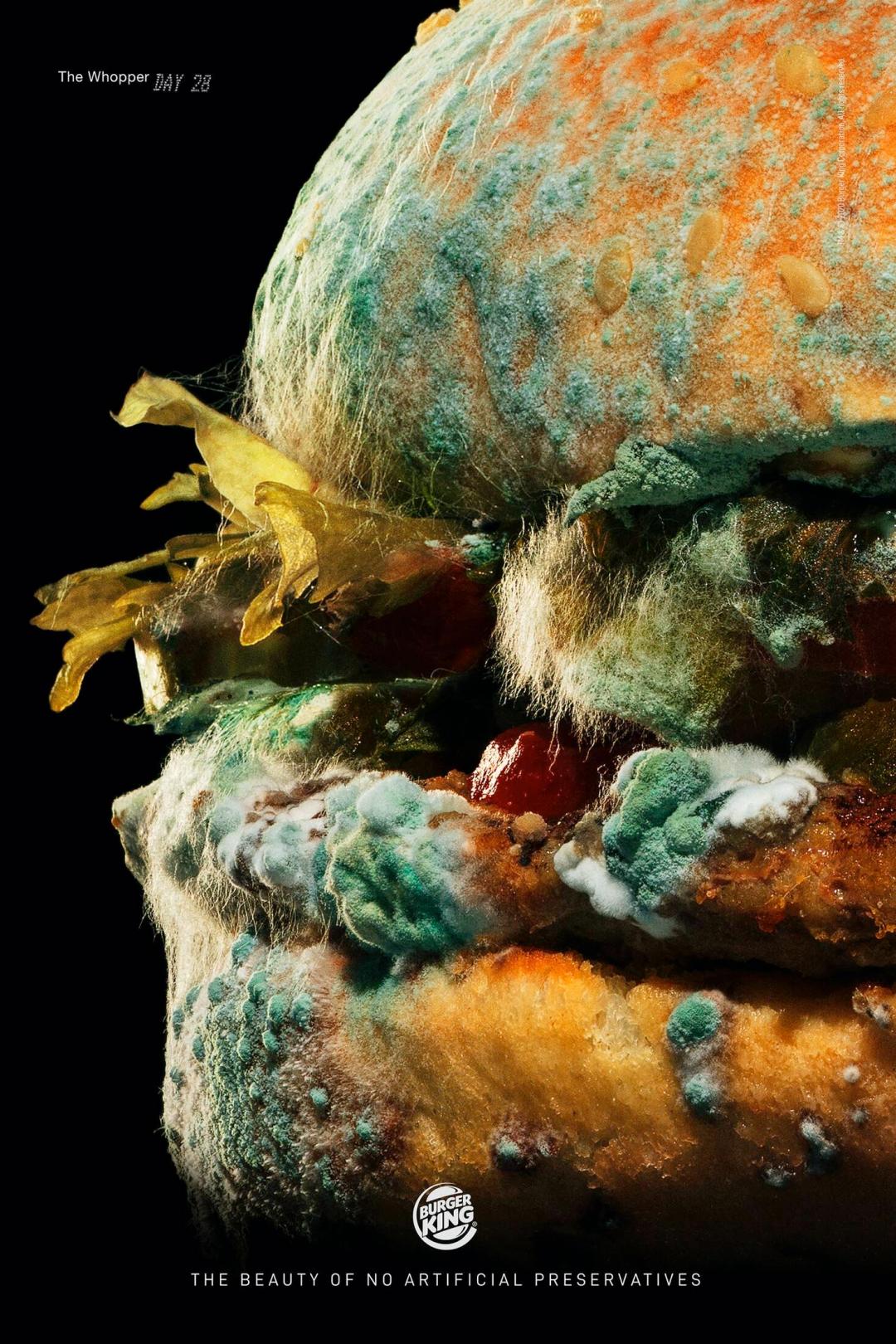
Core Viewpoint - The article discusses how companies can turn negative perceptions into marketing opportunities by adopting unconventional crisis management strategies, using examples from various fast-food brands to illustrate the effectiveness of transparency and humor in addressing consumer concerns [2][31][43]. Group 1: Case Studies of Successful Crisis Management - Burger King's 2020 advertisement featured a Whopper left to mold for 34 days, emphasizing the absence of preservatives and turning a negative into a positive by promoting natural ingredients [5][31]. - Domino's Pizza faced severe criticism for its poor quality, but instead of hiding, it acknowledged the issue in a documentary-style ad, leading to a turnaround in sales and brand perception [19][20]. - KFC's humorous "FCK" ad during a chicken supply crisis showcased the brand's willingness to admit fault, which resonated positively with consumers and mitigated the crisis [22][25]. - Taco Bell addressed accusations of using "fake beef" by transparently revealing its beef composition, which ultimately diffused the situation and improved public perception [28][30]. Group 2: The Importance of Narrative and Consumer Engagement - The article emphasizes the need for companies to reframe negative narratives into positive stories, creating a "narrative pivot" that allows for constructive public discourse [39][41]. - Companies that openly communicate their challenges and engage with consumers can foster a sense of trust and understanding, as seen in the examples of Starbucks and Nongfu Spring, which effectively managed their respective crises through clear explanations [36][38]. - The shift in consumer expectations towards transparency and authenticity presents an opportunity for brands to adopt a more educational approach in their communications, enhancing their connection with the audience [33][35].