声控空调(AI Voice)

Search documents
海尔泰国总经理:家电出海的下半场是做强品牌和中高端
21世纪经济报道· 2025-12-29 10:30
Core Viewpoint - The article highlights Haier's successful growth in the Thai market despite a challenging international trade environment, emphasizing the importance of brand recognition, local adaptation, and innovative product offerings [1][11]. Group 1: Market Performance - Haier's overseas market revenue grew by 10.5% in the first three quarters of 2025, with Southeast Asia seeing over 15% growth [1]. - In the Thai white goods market, while the overall market declined by 4.9%, Haier's white goods sales increased by 29%, making it the leading brand in Thailand [1][5]. Group 2: Strategic Development - Haier entered the Thai market in 2002, initially facing challenges due to low brand awareness and product mismatch with local needs. The turning point came in 2007 with the acquisition of Sanyo's white goods division, allowing for a localized strategy [5]. - The company has adopted a "three-in-one" localization strategy involving research, manufacturing, and marketing, which has proven successful in establishing its market position [5][12]. Group 3: Future Opportunities - There remains significant potential in the Thai market, particularly through deeper understanding of user needs and enhancing operational efficiency. Haier aims to improve its market share in retail stores and expand its service network [6][12]. - The company plans to continue focusing on high-end product lines while also penetrating lower-tier markets, ensuring comprehensive coverage across Thailand [8]. Group 4: Brand Perception - Consumer perceptions of Chinese brands are shifting from "value for money" to recognizing the technological advancements and differentiated product offerings, with Haier's brand awareness now on par with Korean brands [9]. - Haier's ability to quickly adapt and introduce new technologies gives it a competitive edge over traditional brands with longer product iteration cycles [9]. Group 5: Supply Chain and Local Adaptation - Haier's strategic investments in local manufacturing, such as the new air conditioning factory in Chonburi, enhance its supply chain resilience and ability to meet local demand [11]. - The company emphasizes the importance of being "In Thailand, For Thailand," which is crucial for establishing a strong foothold in the local market [12].


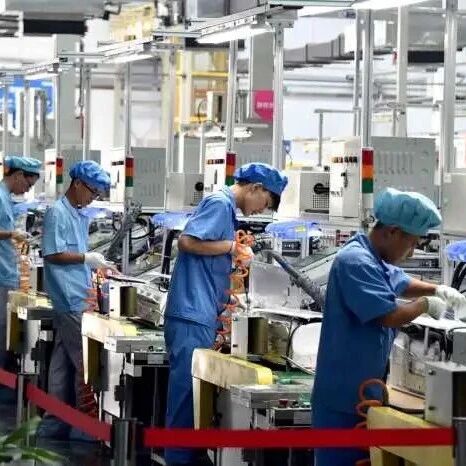
21专访丨海尔泰国总经理董建平:家电出海的下半场是做强品牌和中高端
2 1 Shi Ji Jing Ji Bao Dao· 2025-12-26 23:14
Core Viewpoint - The article highlights Haier's successful growth in the Thai market despite a challenging international trade environment, emphasizing the importance of understanding local consumer needs and maintaining a strong brand presence [2][10]. Group 1: Company Performance - Haier's overseas market revenue grew by 10.5% in the first three quarters of 2025, with Southeast Asia experiencing over 15% growth [3]. - In the Thai white goods market, Haier achieved a 29% growth while the overall market declined by 4.9%, making it the leading brand in Thailand [3][10]. - The company has established a significant market presence in Thailand over 23 years, overcoming initial challenges related to brand recognition and product-market fit [6][7]. Group 2: Strategic Importance of Thailand - Thailand is viewed as a strategic market for Haier due to its large domestic demand and favorable geographic location, serving as a "bridgehead" for the company's global operations [5]. - The company has implemented a localized strategy since acquiring Sanyo's white goods business in 2007, focusing on local R&D, manufacturing, and marketing [7][14]. Group 3: Market Opportunities - There remains substantial potential in the Thai market, particularly in understanding user needs and enhancing product offerings [8][10]. - Haier aims to increase its market share in retail outlets, where it currently does not hold the top position in every store [9]. - The company is also focused on improving operational efficiency and expanding its service network to capture more market opportunities [10]. Group 4: Product Strategy and Brand Perception - Haier's strategy includes launching high-end products tailored to specific consumer needs, such as the AI Voice air conditioner that addresses local climate challenges [8][11]. - The perception of Chinese brands is shifting, with Haier's brand recognition and user conversion rates now comparable to Korean brands, indicating a move away from the "cheap and cheerful" stereotype [11][12]. - The company emphasizes rapid product iteration and technological advancement, allowing it to respond quickly to market demands compared to traditional brands [12]. Group 5: Future Challenges and Goals - To become a top international brand, Haier recognizes the need for deep user engagement and brand loyalty [14]. - The company aims to strengthen its brand positioning and develop mid-to-high-end products as part of its long-term strategy [14]. - Haier's commitment to a "In Thailand, For Thailand" approach underscores its focus on local market integration and sustainability [14].