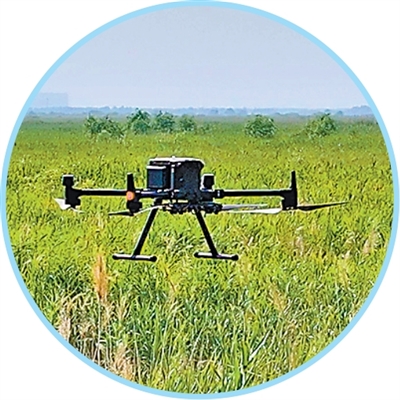
声纹采集器

Search documents
听·见美丽中国(回望“十四五”·美丽中国在身边③)
Ren Min Ri Bao Hai Wai Ban· 2026-01-05 22:56
Core Viewpoint - The article highlights the increasing integration of technology in monitoring and protecting wildlife, particularly in China's national parks, showcasing the positive impact on biodiversity and ecological awareness among the public [3][4][6][8]. Group 1: Wildlife Monitoring and Protection - The establishment of the Giant Panda National Park has led to systematic habitat restoration and the construction of key corridors, creating a stable living environment for giant pandas and other rare species [4]. - The Wanglang area has developed a comprehensive monitoring system that includes high, medium, and low-altitude coverage, utilizing advanced infrared cameras and drone technology to enhance patrol efficiency [6]. - The population of wild giant pandas in key areas has shown an increase, with habitat restoration efforts covering 342,100 acres during the 14th Five-Year Plan period [6][8]. Group 2: Technological Advancements in Ecological Monitoring - The use of AI-driven sound recognition technology has transformed wildlife monitoring, allowing for real-time data collection and analysis of bird species in various environments [8][9]. - The number of recorded bird species in Lanzhou has increased from over 100 to 339, indicating a significant improvement in urban biodiversity due to enhanced ecological conditions [8][10]. - The accuracy of bird sound identification has surpassed 85%, demonstrating the effectiveness of the new monitoring technologies in ecological research [9]. Group 3: Urban Ecological Integration - The city of Dongying has recorded 405 bird species, including 26 national first-class and 71 second-class protected species, reflecting a rich biodiversity in urban settings [11]. - Dongying has implemented a "city-park integration" strategy, creating 60 pocket parks and enhancing urban green spaces to improve the ecological environment [11][12]. - The establishment of a smart environmental monitoring system has led to a 90% compliance rate for nighttime noise levels, showcasing the city's commitment to maintaining a harmonious living environment [12].

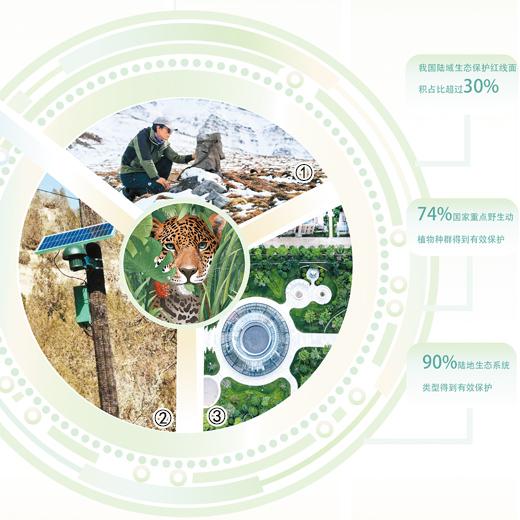
爱鸟护鸟,这些科技手段在助力(美丽中国·开展鸟类保护行动)
Ren Min Ri Bao· 2025-06-26 22:00
Core Viewpoint - The integration of advanced technology, such as drones and AI systems, significantly enhances the monitoring and protection of migratory birds in various natural reserves across China, leading to more efficient and precise conservation efforts [6][9][11]. Group 1: Technological Advancements in Bird Conservation - The Tianjin Qilihai Wetland has implemented a comprehensive drone system that autonomously patrols the area, ensuring 24/7 coverage and reducing human intervention [6][7]. - In Hunan's Yongzhou, a network of drones, video surveillance, and AI monitoring systems has been established to protect migratory routes, showcasing a shift from traditional methods to high-tech solutions [9][10]. - The use of sound recognition technology, such as voiceprint collectors, allows for continuous and accurate monitoring of bird populations, with over 320,000 valuable bird sound data collected since the launch of the monitoring platform [11][12]. Group 2: Impact on Conservation Efficiency - The deployment of drones in the Qilihai Wetland allows for efficient coverage of 149.28 square kilometers, completing patrols in approximately 20 minutes [6][7]. - The integration of AI algorithms with surveillance systems in Yongzhou enables real-time monitoring and alerts for any illegal activities, enhancing the overall efficiency of bird protection efforts [10]. - The AI recognition system developed by Lanzhou University has achieved an accuracy rate exceeding 85% in identifying bird species from audio data, demonstrating the effectiveness of technology in wildlife research [12][13].