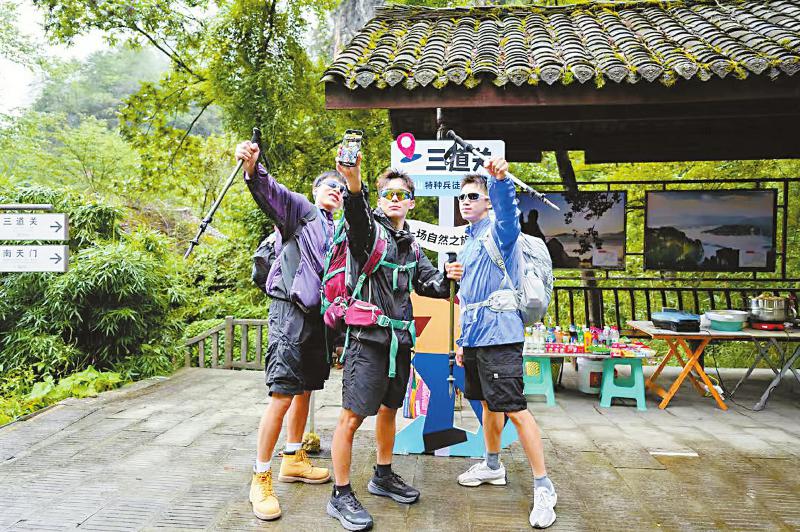
外骨骼助力器

Search documents
中国版“CES展”背后的惊喜
Xin Lang Cai Jing· 2026-01-13 11:32
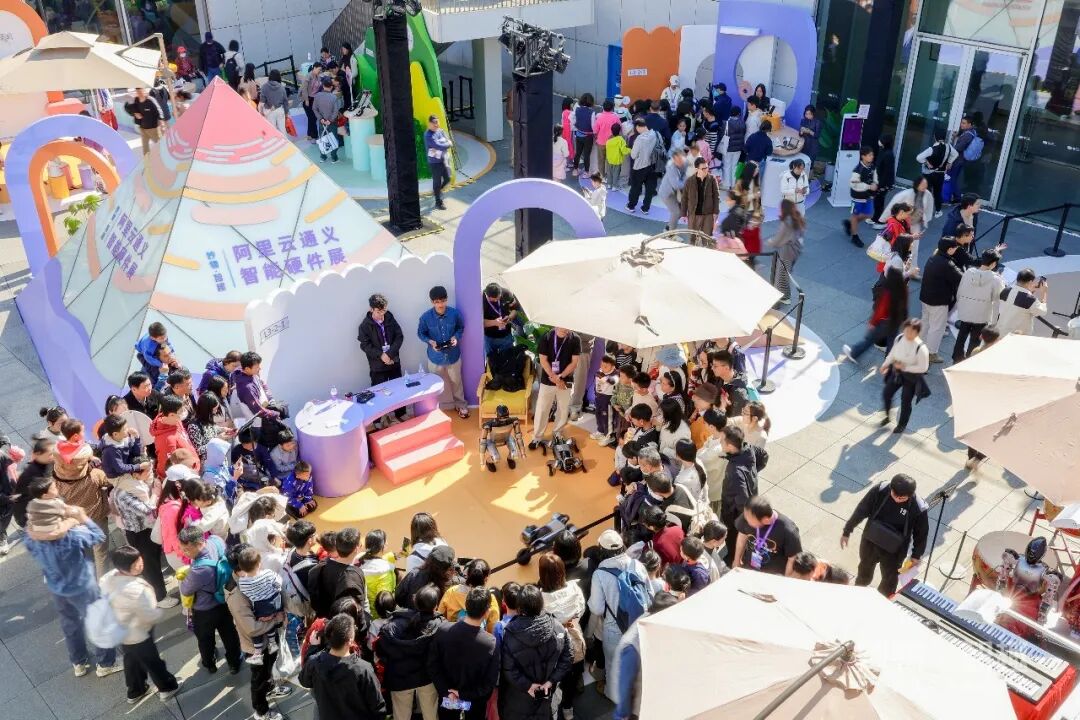
Core Viewpoint - The future of AI hardware is firmly rooted in China, as evidenced by the recent intelligent hardware exhibition hosted by Alibaba Cloud, which is being compared to CES in the U.S. [1][10] Group 1: Exhibition Overview - The exhibition covered over 5,000 square meters and showcased more than 1,500 new AI hardware products, with 180 items debuting simultaneously at CES in the U.S. [2] - The exhibition featured a diverse range of products across various consumer sectors, including 3C digital products, home appliances, toys, fitness equipment, and more [2][4]. Group 2: AI Hardware Trends - The terms "emergence" and "generalization" were used to describe the rapid proliferation of AI products across industries, indicating a significant transformation in the application of AI technology [7]. - The exhibition highlighted the integration of AI into traditional industries, suggesting a profound industrial restructuring that surpasses the previous mobile app revolution [10]. Group 3: Future AI Development - A second wave of AI development is anticipated by 2026, characterized by accelerated technological iterations and a shift in application timelines from 5-10 years to 2-3 years [11]. - The concept of "physical AI" is emerging, with applications expected to extend beyond consumer devices to include automobiles, robotics, and various industrial terminals [13][14]. Group 4: Economic Impact - The potential economic impact of AI on global GDP could be a growth of 10%, representing a value reconstruction space of up to $11 trillion [14]. - By 2026, it is projected that 80% of the AI market will be driven by new incremental markets, emphasizing the importance of future market capture over current market share [14]. Group 5: Competitive Landscape - The competition in China is dual-tracked, with traditional industries leveraging AI for transformation while "AI-native companies" explore new business models [15][16]. - AI applications in China are focusing on traditional manufacturing, new energy vehicles, and agriculture, utilizing cloud services to enhance efficiency [16][18]. Group 6: Infrastructure and Global Expansion - The foundational infrastructure for AI is evolving from a "Token factory" to an "AI super factory," indicating a shift towards comprehensive AI cloud services [25][27]. - Alibaba Cloud is expanding its global infrastructure to support Chinese enterprises' internationalization, with plans to establish facilities in 29 regions and 92 availability zones by 2025 [29]. Group 7: Conclusion - The intelligent hardware exhibition signifies a pivotal moment for China's AI industry, with the potential to lead in global AI advancements and redefine the landscape of consumer electronics [30][32].

中国版“CES展”背后的惊喜
吴晓波频道· 2026-01-13 00:30
Core Viewpoint - The future of AI hardware is firmly rooted in China, as evidenced by the recent intelligent hardware exhibition held by Alibaba Cloud, which showcased over 1,500 AI hardware products, indicating a significant leap in the industry [2][5][12]. Group 1: AI Hardware Exhibition Insights - The Alibaba Cloud exhibition featured more than 1,500 AI hardware products, with 180 items debuting simultaneously at the CES in the U.S., covering a wide range of consumer sectors from digital devices to home entertainment [5][12]. - The exhibition presented a strong "booth feel," with various AI products displayed in a way that encouraged hands-on interaction, highlighting the diversity and accessibility of AI technology [6][8]. - The event underscored the concepts of "emergence" and "generalization," indicating that AI capabilities are rapidly expanding across various industries, leading to unprecedented product proliferation [8][12]. Group 2: Future Trends in AI - By 2026, a second wave of AI development is anticipated, characterized by rapid technological iterations and a significant reduction in the time required for technology deployment, from 5-10 years to 2-3 years [14][17]. - The shift towards "physical AI" is expected to redefine industries, particularly in automotive and heavy machinery, as AI becomes integrated into traditional sectors [14][16]. - The distinction between consumer and enterprise applications of AI is becoming clearer, with enterprise applications poised to drive deeper value and productivity enhancements, potentially increasing global GDP by 10% [17][18]. Group 3: Competitive Landscape - The competition in AI is evolving into a dual-track approach, where traditional industries leverage AI for transformation while "AI-native companies" explore new business models [19][20]. - Chinese industries are focusing on traditional manufacturing, new energy vehicles, and agriculture, utilizing cloud services to enhance efficiency and reduce costs [20][22]. - The emergence of "AI-native companies" is fostering innovation across various sectors, with a notable rise in startups that utilize generative AI for content creation and other applications [24][26]. Group 4: Infrastructure and Cloud Computing - The foundational infrastructure for AI is transitioning from a "Token factory" to an "AI super factory," emphasizing the need for comprehensive cloud services that support both immediate and advanced AI applications [30][32]. - Companies like Alibaba Cloud are expanding their global infrastructure to meet the increasing demand for AI capabilities, supporting Chinese enterprises in their international ventures [37][38]. - The integration of AI into cloud computing is essential for realizing the full potential of AI technologies, as it enables efficient data processing and model deployment [36][38].

第二十三届四川光雾山国际红叶节如约而至 当红叶遇上“黑科技” 光雾山玩法上新
Si Chuan Ri Bao· 2025-10-23 00:36
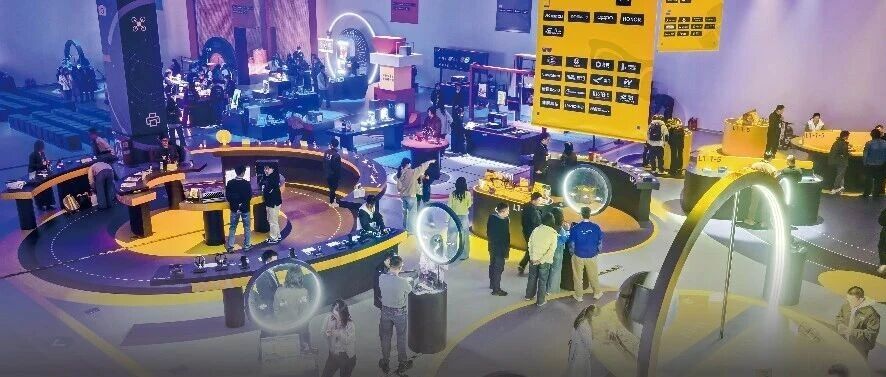
Core Insights - The 23rd Sichuan Guangwushan International Red Leaf Festival has commenced, themed "Guests from Afar AI on Guangwu Red," featuring a global relay event to promote tourism [6] - Guangwushan is recognized as "China's First Red Leaf Mountain," with a vast 680 square kilometers of red leaf viewing area, and has introduced new attractions and technological enhancements to improve visitor experiences [6][9] - The festival has seen a surge in visitor engagement, with daily attendance exceeding 3,000 since the opening of the Guangwushan Sports Theme Park [9] Tourism Development - The festival includes various activities such as the "Red Leaf Flying Car" and helicopter tours, enhancing the adventure and scenic experience for visitors [7][10] - New attractions like mountain roller coasters and glass water slides have been added to diversify the visitor experience beyond just leaf viewing [9] - The introduction of "black technology" in the form of exoskeleton assistive devices aims to reduce physical strain for hikers, allowing them to enjoy the scenic views more comfortably [12] Visitor Engagement and Amenities - The festival has implemented a real-time red leaf index to inform visitors about the best viewing conditions, ensuring a more satisfying experience [11] - The local hospitality sector is thriving, with significant demand for accommodations, particularly during weekends, driven by the festival and improved amenities in local guesthouses [14] - A variety of themed experiences, including immersive night tours and music events, have been introduced to attract different demographics and enhance the overall visitor experience [15]