
大众ID 4

Search documents
小米SU7,车门抛弃了常见的机械式外把手
Di Yi Cai Jing Zi Xun· 2025-10-16 00:24
Core Viewpoint - The recent incident involving a Xiaomi SU7 highlights significant safety concerns regarding the design of car door handles, particularly the absence of mechanical external handles, which complicates emergency rescues [2][3][4]. Design and Safety Concerns - The Xiaomi SU7 lacks a mechanical external door handle, relying solely on an internal micro-switch for electronic unlocking, making it difficult for external rescuers to open the door [3][4]. - Industry standards typically require hidden door handles to have a mechanical backup for safety in case of power failure, which Xiaomi's design does not incorporate, potentially compromising safety during accidents [3][4]. - A study indicated that vehicles with electronic door handles have a significantly lower success rate (67%) in opening after side collisions compared to those with mechanical handles (98%) [4]. Regulatory Response - New regulations are being proposed that mandate the inclusion of mechanical external and internal door handles to ensure safety in emergencies, particularly in scenarios involving power loss or accidents [6]. - The regulations require that the mechanical release functions be easily identifiable and operable by occupants in distress [6]. Industry Reactions and Adjustments - Several automakers are beginning to adapt their designs in response to the new regulations, with some opting for traditional mechanical handles instead of hidden ones [7][8]. - The transition from hidden to traditional handles involves significant redesign and cost implications, as it requires changes to electrical systems and molds [8]. - Experts suggest that the large number of existing vehicles with hidden handles poses challenges for potential recalls or upgrades to meet new safety standards [8].



小米SU7,车门抛弃了常见的机械式外把手
第一财经· 2025-10-15 12:36
Core Viewpoint - The article highlights safety concerns regarding the design of the Xiaomi SU7's door handles, particularly the absence of mechanical external handles, which complicates emergency access during accidents [3][4][6]. Group 1: Incident Overview - On October 13, a Xiaomi SU7 caught fire after a collision in Chengdu, and rescuers struggled to open the doors, ultimately requiring firefighters to use a cutting tool [3]. - This incident occurred 198 days after a previous fire incident involving the same model, raising alarms about the vehicle's safety features [3]. Group 2: Design Flaws - The Xiaomi SU7 lacks a mechanical external handle, relying solely on an internal micro-switch for electronic unlocking, which poses risks in emergencies [4][6]. - The internal emergency handle, while present, may be difficult for unconscious occupants to locate and use quickly, especially in a rapidly deteriorating situation [6][11]. Group 3: Industry Standards and Reactions - Industry experts criticize the design choice of the Xiaomi SU7, noting that most vehicles with hidden handles include safety redundancies to ensure accessibility during power failures [6][10]. - New regulations are being proposed to mandate mechanical handles for vehicle doors to enhance safety, reflecting a shift in industry standards [10][11]. Group 4: Cost Implications - Transitioning from hidden handles to traditional mechanical designs involves significant costs, including redesigning electrical systems and molds, which may deter manufacturers from making changes [13][14]. - The potential need for recalls to upgrade existing vehicles with hidden handles is complicated by the large number of such models on the market and the associated costs [14].
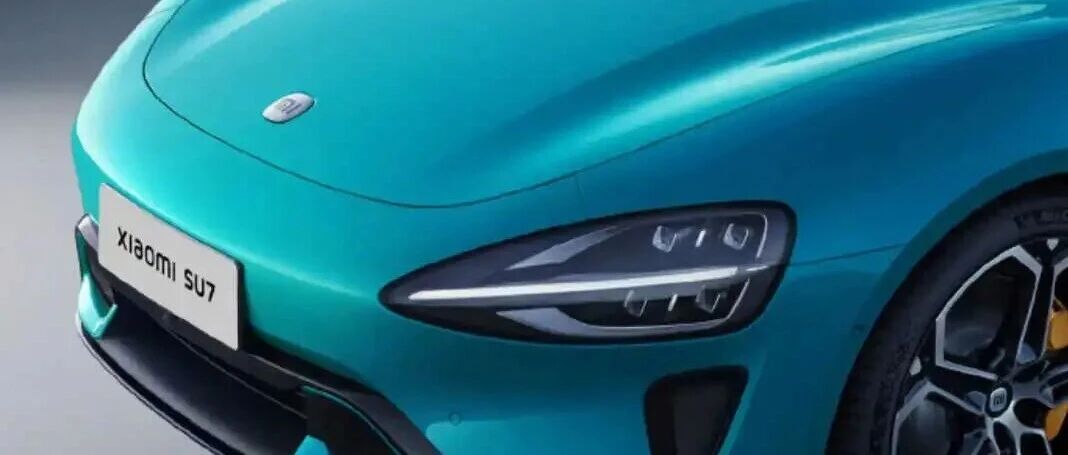
198天了,小米SU7的车门依旧打不开
Di Yi Cai Jing· 2025-10-15 12:02
Core Viewpoint - The incident involving the Xiaomi SU7 highlights significant safety concerns regarding the design of car door handles, particularly the lack of mechanical redundancy in emergency situations [2][3][5]. Design Issues - The Xiaomi SU7 features a hidden door handle design without a mechanical external handle, making it difficult for external rescuers to open the door in emergencies [3][4]. - The internal emergency handle, while present, may not be accessible to occupants who have lost consciousness after a severe impact, limiting its effectiveness [3][5]. Industry Standards and Responses - The automotive industry typically incorporates mechanical redundancy in hidden door handle designs to ensure safety during power failures, as seen in models like the Volkswagen ID.4 and GAC's models [4]. - Recent regulatory proposals emphasize the need for mechanical door handles to ensure safety in case of electrical failures or accidents, mandating that each door must have a mechanical release option [7][8]. Cost Implications - Transitioning from hidden door handles to traditional mechanical designs involves significant costs, including redesigning electrical systems and molds, which may deter manufacturers from making changes [8][9]. - The automotive industry is currently evaluating how to balance safety requirements with design aesthetics and cost considerations, as many manufacturers have invested in hidden handle designs [8][9].