大型强子对撞机

Search documents
《自然》前瞻2026年科学大事件:科研AI、基因编辑、深空与深海的全面探索 | 红杉爱科学
红杉汇· 2026-01-14 00:03
Group 1 - The article predicts that AI will transition from being an assistant to an independent researcher, with the potential for AI to achieve its first significant scientific discovery by 2026 [2][3] - AI agents, which integrate multiple large language models, will be capable of executing complex scientific processes with minimal human intervention, including hypothesis generation, experiment design, data analysis, and paper writing [2] - Smaller, specialized AI models are emerging as efficient alternatives for specific scientific problems, requiring less data and focusing on mathematical representations rather than text generation [2] Group 2 - Two clinical trials for personalized gene therapies targeting rare genetic diseases in children are expected to start in 2026, building on the case of KJ Muldoon, who received CRISPR treatment [4] - A clinical trial in the UK is anticipated to reveal results for a single blood test that can detect approximately 50 types of cancer before symptoms appear, involving over 140,000 participants [5] Group 3 - 2026 is projected to be a busy year for lunar exploration, with NASA's Artemis II mission sending four astronauts on a ten-day mission to orbit the Moon, marking the first crewed lunar mission since the 1970s [6] - China's Chang'e 7 mission is planned for 2026, aiming to land near the Moon's south pole to search for water ice and study moonquakes [8] Group 4 - The European Space Agency plans to launch the Plato exoplanet survey satellite by the end of 2026, which will monitor over 200,000 stars to search for Earth-like planets [8] - The Chinese deep-sea drilling vessel "Dream" is set to conduct its first scientific mission in 2026, aiming to drill 11 kilometers deep in the Mariana Trench to collect upper mantle samples [11] Group 5 - The Large Hadron Collider at CERN will undergo a major upgrade in 2026, halting operations for three years to install a high-luminosity LHC, which will enhance data collection for rare process observations [11] - The Mu2e detector at Fermilab is expected to be completed in April 2026, focusing on the exploration of the mysterious subatomic particle, the muon [11]


《自然》杂志展望2026年值得关注的科学事件
Xin Hua She· 2025-12-19 06:34
Group 1 - The article highlights significant scientific events to watch for in 2026, focusing on advancements in artificial intelligence (AI), gene editing, and space exploration [1] - AI-driven scientific research is expected to achieve major breakthroughs, with the potential for AI "agents" that integrate multiple large language models to be widely applied, requiring minimal human intervention [1] - In the biomedicine sector, gene editing technology is progressing rapidly, with two clinical trials anticipated to start next year aimed at developing personalized gene therapies for children with rare genetic diseases [1] Group 2 - The article notes that 2026 will be a busy year for lunar exploration, with China planning to launch the Chang'e 7 probe to land near the Moon's south pole, and NASA's Artemis 2 mission set to send four astronauts on a lunar flyby [2] - Japan plans to launch a Mars satellite probe to visit the two moons of Mars, Phobos and Deimos, while the European Space Agency aims to launch the Plato space telescope to monitor over 200,000 stars [2] - The article also mentions significant upgrades to the Large Hadron Collider at CERN for future high-intensity experiments and the completion of the Mu2e detector at Fermilab to explore the mysteries of the muon particle [2]
过去25年改变世界的25项发明
3 6 Ke· 2025-10-12 02:56
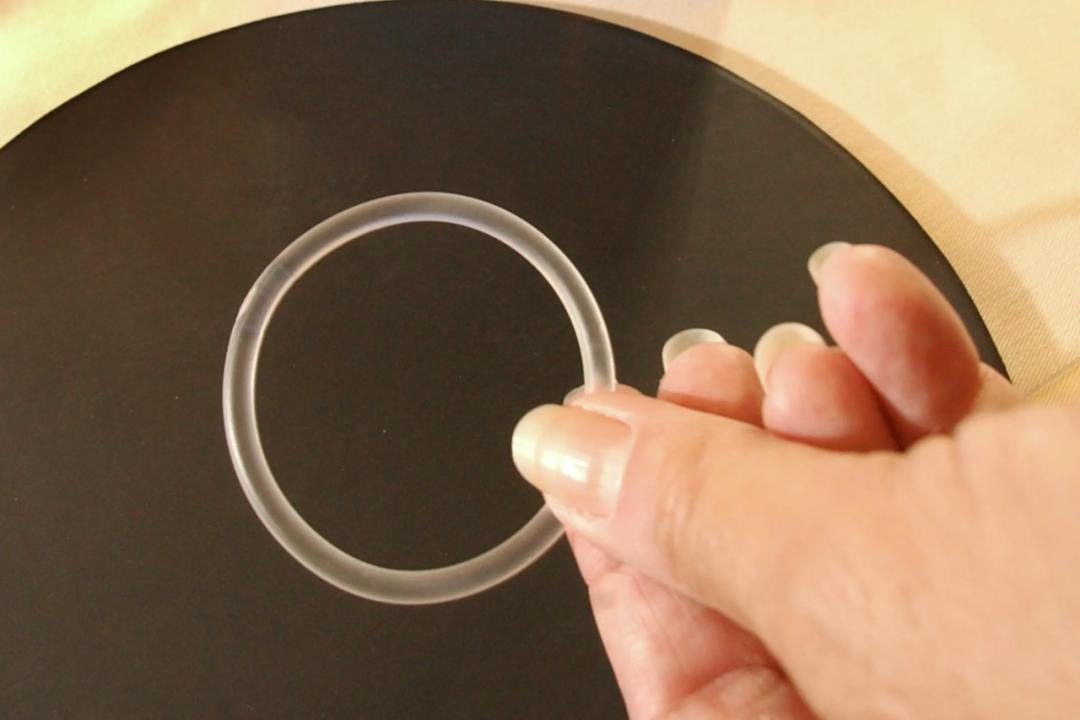
Core Insights - The article highlights the significance of innovative inventions over the past 25 years, showcasing 25 iconic inventions that have transformed various aspects of human life across multiple fields such as healthcare, digital technology, lifestyle, and exploration [1] Group 1: Healthcare Innovations - NuvaRing, introduced in 2001, expanded contraceptive options for women, with approximately 2 million prescriptions written annually in the U.S. despite past legal challenges [2] - LifeStraw, launched in 2005, is a low-cost ($3) water filtration device that prevents waterborne diseases, benefiting disaster victims and outdoor enthusiasts alike [4] - 23andMe, a personal genetic testing service from 2008, allows individuals to assess their susceptibility to over 90 traits and diseases for $399, having served over 15 million customers [6] - mRNA vaccines, developed during the COVID-19 pandemic, achieved FDA approval in December 2020, breaking previous vaccine development records [8] - Semaglutide, a drug originally for type 2 diabetes, has gained popularity as a weight loss treatment, with about 12% of Americans having tried it [10] - A groundbreaking surgery in 2024 enabled paralyzed patients to regain sensory perception through a brain-implanted microchip [12] Group 2: Digital Innovations - iRobot Roomba, introduced in 2002, revolutionized home cleaning with over 50 million units sold, making vacuuming less burdensome [14] - YouTube, launched in 2005, has grown to host over 20 million daily video uploads, becoming a platform for authentic content [15] - The iPhone, released in 2007, has sold over 3 billion units globally, marking a significant shift in personal technology [17] - Google Street View, initiated in 2007, now covers 12 million miles across 110 countries, allowing virtual exploration of cities [19] - IBM Watson, a supercomputer that gained fame in 2011, performs 800 trillion calculations per second, showcasing early advancements in AI [22] - GPT-4, released in 2023, demonstrated significant improvements in AI capabilities, surpassing 90% of law exam takers [24] Group 3: Lifestyle Innovations - Philips LED bulbs, introduced in 2009, significantly reduced energy consumption, lasting 25,000 hours and winning a $10 million award from the U.S. Department of Energy [26] - Montreal's Bixi bike-sharing system, launched in 2008, became a model for urban bike-sharing initiatives worldwide [28] - Kickstarter, established in 2010, has facilitated over $9 billion in funding for more than 286,000 projects [30] - Tesla Model S, released in 2012, showcased electric vehicles as a desirable option, with a range of 265 miles per charge [32] - Nintendo Switch, launched in 2017, has sold over 153 million units, offering versatile gaming experiences [34] - Fenty Beauty, introduced in 2017, revolutionized the cosmetics industry with 40 foundation shades, promoting inclusivity [36] Group 4: Exploration Tools - The Large Hadron Collider, operational since 2008, seeks answers to fundamental questions about the universe, including the existence of the Higgs boson [39] - The Svalbard Global Seed Vault, established in 2008, stores backup seeds from 6,000 plant species to safeguard against agricultural disasters [41] - NASA's Curiosity rover, active on Mars from 2011, has provided evidence of the planet's potential habitability [44] - The James Webb Space Telescope, launched in 2022, offers unprecedented views of the universe, costing $10 billion and taking over 20 years to complete [46] Group 5: Creative and Entertainment Innovations - Dyson's bladeless fan, introduced in 2009, provides a stylish and efficient cooling solution [48] - The Cronut, a fusion pastry created in 2013, sparked a trend in innovative food combinations [50] - Sphere, a $2.3 billion entertainment venue in Las Vegas, features the world's largest LED screen and is projected to become a top-grossing venue [52] Group 6: Innovation Trends - The article notes that innovation is not evenly distributed, with significant breakthroughs occurring during crisis periods, such as the 2008 financial crisis and the COVID-19 pandemic [54] - The cyclical nature of innovation reflects the "S-curve" of technological development, where periods of slow growth are followed by rapid advancements [54] Group 7: Conclusion - The 25 highlighted inventions illustrate the breadth and depth of human innovation, addressing real human needs and pushing civilization forward [55]