大桃

Search documents
把知识“种”进田野,新农人交出“硬核”答卷
Zhong Guo Qing Nian Bao· 2026-01-18 22:32
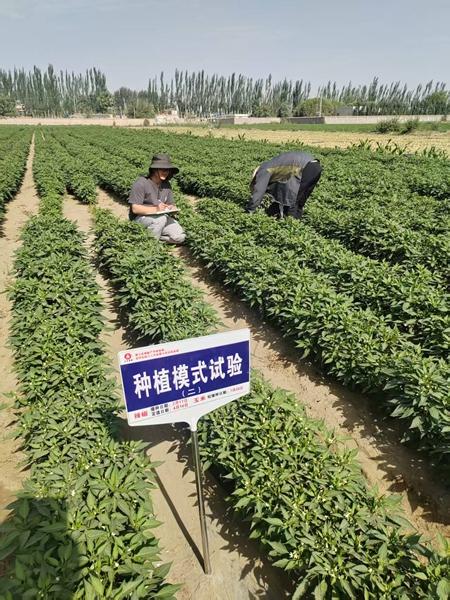
Core Insights - The articles highlight the role of agricultural universities in fostering new agricultural talents and addressing real-world agricultural challenges through hands-on experience and research [1][4][14] Group 1: Agricultural Innovations and Practices - Chinese agricultural universities are actively involved in developing local agricultural products, such as domestically grown durians and improved tomato varieties, which enhance sweetness by 30% [1] - In Xinjiang, the introduction of high-tech agricultural practices, including the use of Beidou navigation systems for mechanized farming, is transforming local industries, particularly in chili pepper cultivation [2][4] - The establishment of technology innovation centers, like the Hainan Sanya Durian Technology Institute, aims to localize durian production, reducing reliance on imports from Southeast Asia [5][7] Group 2: Student Engagement and Community Impact - Students from agricultural universities are directly involved in fieldwork, addressing farmers' needs and adapting their research to local conditions, which fosters trust and collaboration with the farming community [2][4][9] - The concept of "technology small courtyards" has been implemented, where students live and work alongside farmers, directly applying their academic knowledge to solve practical agricultural problems [4][9] - The average income for farmers involved in the chili pepper industry in Xinjiang has reportedly increased by 3,000 yuan per acre due to the technological support provided by university students [8] Group 3: Educational Philosophy and Research Focus - The educational approach emphasizes the importance of understanding local agricultural conditions and the socio-economic context, which is seen as essential for effective agricultural research and development [8][9] - Faculty members encourage students to persist in their research despite challenges, highlighting the value of dedication and long-term commitment to solving agricultural issues [12][14] - The integration of practical experience with theoretical learning is viewed as crucial for cultivating a sense of responsibility among students towards national agricultural development [10][14]

北京果蔬供应未受影响 部分叶菜价格略上浮
Bei Jing Shang Bao· 2025-07-28 12:10
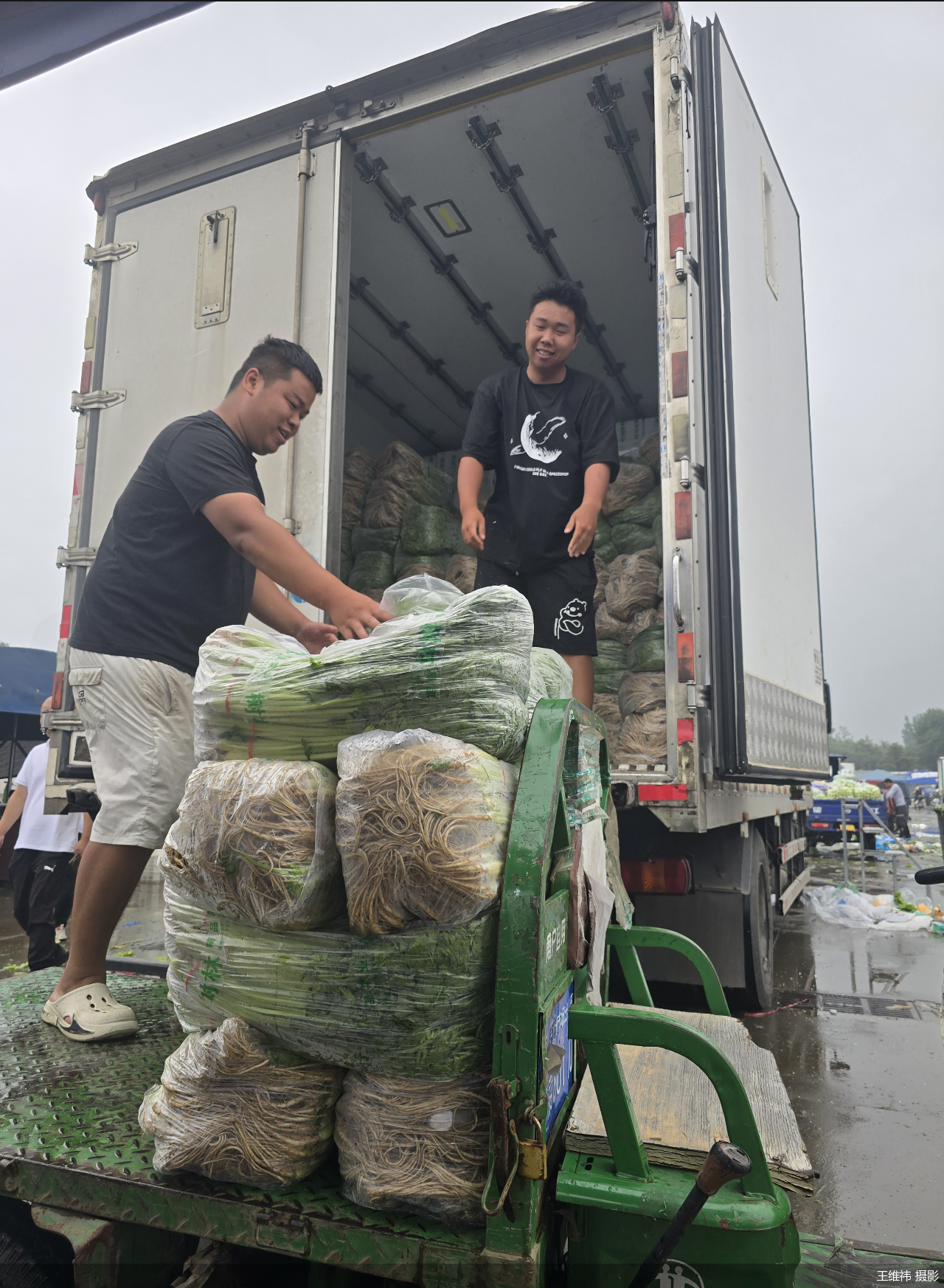
Core Insights - Despite continuous rainfall in Beijing and surrounding areas, the supply of fruits and vegetables remains stable [1][3] - The average daily vegetable supply at the Xinfadi market is approximately 20,000 tons, with a weighted average price of 2.62 yuan per kilogram [3] - Supermarkets and fresh food e-commerce platforms have increased stock levels in response to rising demand for essential goods during the rainy season [7][8] Supply Stability - The Xinfadi market has implemented measures to ensure supply stability, including the use of over 10,000 ice blocks daily to cool vegetables and the construction of rain shelters [4] - The market's vegetable supply is less affected by weather changes due to increased planting areas in recent years, leading to overall lower prices compared to the same period last year [3] Price Trends - Some leafy vegetables have experienced slight price increases due to harvesting difficulties caused by rain, with prices for certain items like celery rising from 2 yuan to 2.5 yuan per jin [3] - The overall price trend for vegetables remains stable, with only minor fluctuations observed [3] Supermarket Preparedness - Supermarkets such as Wumart and Yonghui have significantly increased their stock of essential items, with Wumart reporting a 20% increase in basic goods supply [7] - Yonghui has also ramped up inventory for instant food and essential goods, ensuring sufficient supply during adverse weather conditions [7] Fruit Supply - The Xinfadi market maintains a stable supply of seasonal fruits, with a daily supply of approximately 14,000 tons, including a large quantity of watermelons [10] - The watermelon supply is primarily sourced from Inner Mongolia, Liaoning, Ningxia, Xinjiang, and surrounding Hebei areas, with significant varieties available until late August or early September [10] Emergency Preparedness - In response to the first red rainstorm warning issued in Beijing, the Xinfadi market has prepared emergency measures and advised merchants to take precautions [11] - The market is actively monitoring low-lying areas to prevent supply disruptions due to flooding [11]