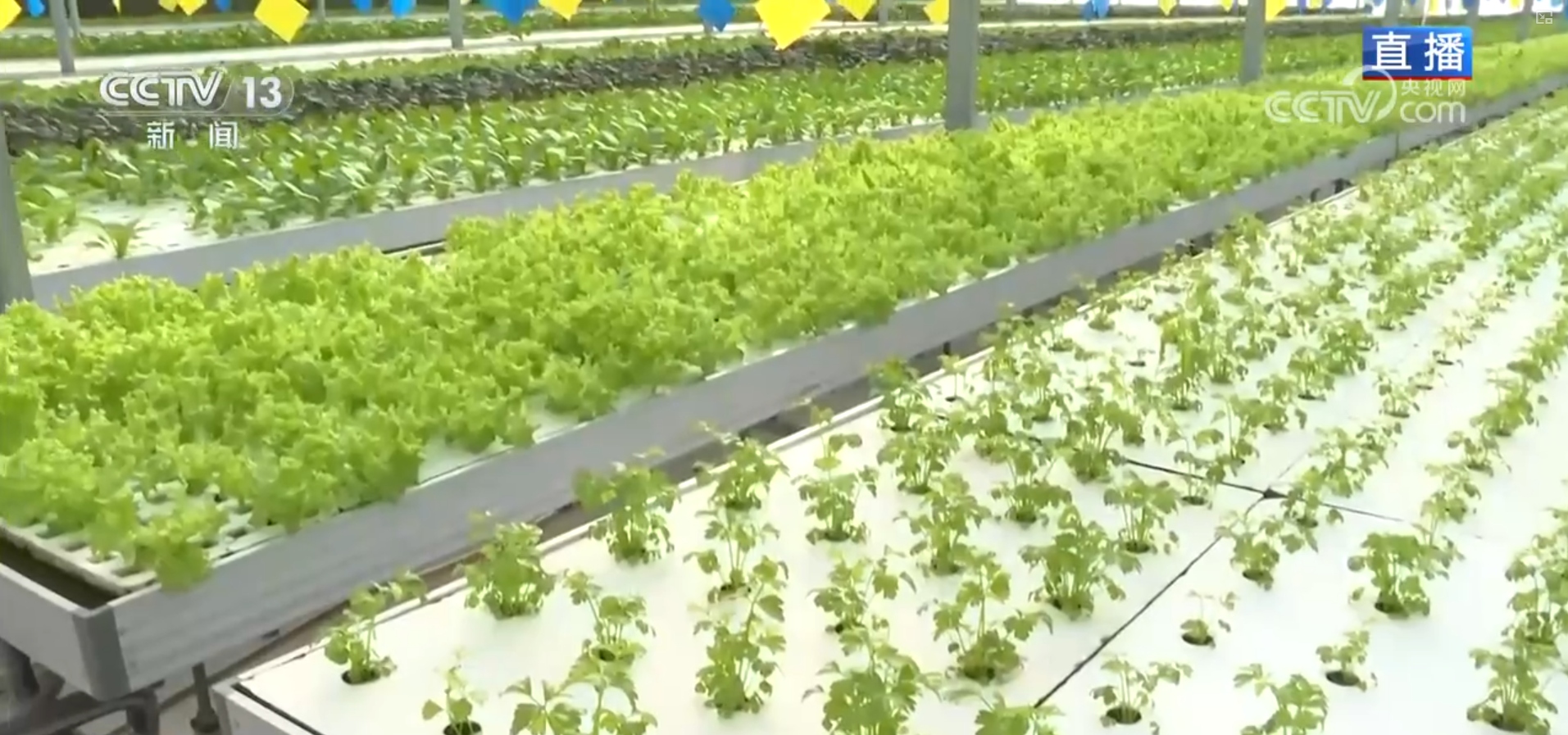
香芹

Search documents
都市农业蓬勃发展“出新”又“出彩” 科技“菜园子”种出新鲜菜、产出好效益
Yang Shi Wang· 2026-02-02 07:29
Core Insights - The article highlights the development of a modern agricultural industry park in Beijing's Fangshan District, which utilizes technology for high-quality vegetable production and efficient logistics to supply urban consumers [1][3]. Group 1: Agricultural Production - The industry park features a greenhouse with over dozens of vegetable varieties, employing soilless cultivation and automated systems for irrigation, fertilization, and temperature control, resulting in a fivefold increase in annual yield compared to traditional greenhouses [3]. - The park produces vegetables on an order-based system, allowing for same-day delivery to central urban areas, ensuring freshness for consumers [5]. Group 2: Value-Added Services - The park offers additional services such as home gardening kits for families, enabling them to grow and enjoy fresh vegetables at home [7]. - A "custom spectrum" technology is used for growing microgreens, ensuring optimal light exposure throughout their growth cycle, with a daily production capacity exceeding 5,000 boxes [9]. Group 3: Logistics and Distribution - The park provides a "clean vegetable" service, which includes washing, cutting, and vacuum packaging vegetables for immediate consumption [12]. - Cold chain logistics are employed to maintain freshness during transportation, with vegetables being delivered to consumers within hours of harvest [5][12]. Group 4: Employment and Community Impact - The development of the agricultural park has created job opportunities for over 1,000 local villagers, who have become "new farmers" in this modern agricultural setting [14].

湖北省咸宁市市场监督管理局食品安全监督抽检信息公示 (2025年第14期)
Zhong Guo Zhi Liang Xin Wen Wang· 2025-12-01 08:37
Overall Situation - The supervision and sampling inspection conducted by the Xianning Market Supervision Administration covered five categories of food, totaling 151 batches, with 141 batches passing inspection and 10 batches failing [3][12]. Inspection Results by Food Category - **Livestock and Poultry Meat and By-products**: 15 batches inspected, with 0 batches failing [3]. - **Vegetables**: 94 batches inspected, with 4 batches failing [3]. - **Aquatic Products**: 4 batches inspected, with 0 batches failing [3]. - **Fruits**: 28 batches inspected, with 6 batches failing [3]. - **Dried Nuts and Seeds**: 10 batches inspected, with 0 batches failing [3]. Details of Non-compliant Products - **Zhongbai Cangchu Xianning Shopping Plaza Co., Ltd.**: Ginger (purchase date: 2025-07-22) detected with a pesticide residue of 0.50 mg/kg, exceeding the standard of 0.2 mg/kg [3]. - **Jiayu County Le Wan Jia Binhai Supermarket**: Ginger (purchase date: 2025-07-27) detected with a pesticide residue of 1.02 mg/kg, exceeding the standard of 0.2 mg/kg [4]. - **Tongshan County Duomei Fresh Trading Co., Ltd.**: Hairy Celery (purchase date: 2025-07-28) detected with a pesticide residue of 0.69 mg/kg, exceeding the standard of 0.04 mg/kg [5]. - **Chongyang Huijin Trading Co., Ltd.**: Fragrant Celery (purchase date: 2025-07-28) detected with a pesticide residue of 0.14 mg/kg, exceeding the standard of 0.04 mg/kg [6]. - **Chongyang County Tiantianmi Trading Co., Ltd.**: Longan (purchase date: 2025-07-31) detected with sulfur dioxide residue of 0.148 g/kg, exceeding the standard of 0.05 g/kg [7]. - **Hubei Shiyue Trading Co., Ltd.**: Longan (purchase date: 2025-07-30) detected with sulfur dioxide residue of 0.132 g/kg, exceeding the standard of 0.05 g/kg [8]. - **Hubei Shiyue Trading Co., Ltd.**: Wokan (purchase date: 2025-07-30) detected with sulfur dioxide residue of 0.239 mg/kg, exceeding the standard of 0.05 g/kg [9]. - **Tongcheng County Happy Orchard Fruit North Gate Store**: Longan (purchase date: 2025-07-27) detected with sulfur dioxide residue of 0.123 g/kg, exceeding the standard of 0.05 g/kg [10]. - **Tongcheng County Baishi Mai North Gate Fruit Store**: Longan (purchase date: 2025-07-26) detected with sulfur dioxide residue of 0.156 g/kg, exceeding the standard of 0.05 g/kg [11]. - **Tongshan County Pinle Commercial Retail Store**: Premium Longan (purchase date: 2025-08-23) detected with sulfur dioxide residue of 0.179 g/kg, exceeding the standard of 0.05 g/kg [12]. Regulatory Actions - The Xianning Market Supervision Administration has mandated local market supervision departments to immediately seal, remove from shelves, and recall non-compliant products. Further investigations will be conducted to determine the batches, quantities, and causes of non-compliance, along with corrective measures [12].
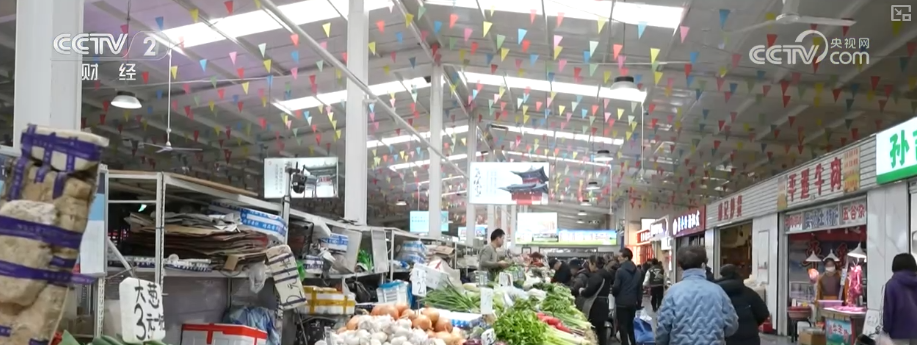
冬季蔬果供应价稳量丰 “发达冷链+便捷交通”保障百姓“菜篮子”“果盘子”无忧
Yang Shi Wang· 2025-11-28 13:18
Core Viewpoint - The vegetable market in Taiyuan, Shanxi, remains stable and diverse despite the recent cold wave, thanks to advanced cold chain logistics and transportation networks [1][7]. Group 1: Market Conditions - The market continues to offer a variety of vegetables such as cabbage, potatoes, and celery, with both local and imported options available [5]. - The presence of seasonal fruits like jelly oranges and sugar tangerines indicates a stable supply of fresh produce [10]. Group 2: Consumer Behavior - Consumers have adapted to a new habit of purchasing fresh vegetables immediately rather than stockpiling, alleviating concerns about the cold weather [7]. Group 3: Market Management - The market has implemented heating measures to protect produce from freezing temperatures and has provided parking facilities for vendors to facilitate the supply of fresh goods [13].
北京市大兴区市场监督管理局2025年食品安全监督抽检信息的公告(2025年第5期)
Zhong Guo Zhi Liang Xin Wen Wang· 2025-10-16 06:34
Overall Situation - A total of 555 food samples were tested, with 546 samples passing and 9 samples failing the safety standards [3][4]. Non-compliant Samples - Non-compliant samples include: 1. Millet buns from Beijing Fuyuan Jingzhi Feifan Fresh Trade Co., Ltd. failed due to sorbic acid and lemon yellow exceeding safety standards [3]. 2. Sea white shrimp from Beijing Shouhang Lixian Supermarket failed due to excessive sulfur dioxide residue [4]. 3. Yam from a vegetable stall in Daxing District failed due to the presence of mefenoxam and mefenoxam manganese salt [4]. 4. Celery from Beijing Changzhongyang Vegetable Store failed due to the presence of thiamethoxam [4]. 5. Lychee from Beijing Enci Fang Trading Co., Ltd. failed due to chlorfenapyr and high-efficiency chlorfenapyr exceeding safety standards [4]. 6. Papaya from Beijing Shouhang Guoli Trading Co., Ltd. failed due to thiamethoxam and thiamethoxam exceeding safety standards [4]. 7. Potatoes from Beijing Xingxianhui Supermarket failed due to the presence of chlorpyrifos [4]. 8. Snake beans from Beijing Wulaifeng Supermarket failed due to thiamethoxam [4]. 9. Bananas from Beijing Shengmaohongda Trading Co., Ltd. failed due to thiamethoxam exceeding safety standards [4]. Investigation and Disposal of Non-compliant Foods - The Daxing District Market Supervision Administration has initiated investigations into the non-compliant foods and reported the findings to local food safety regulatory authorities for those produced outside the province [4][5].
我国人均粮食占有量500公斤夯实根基 多元化食物供给丰富“吃好”选择
Yang Shi Wang· 2025-09-26 09:09
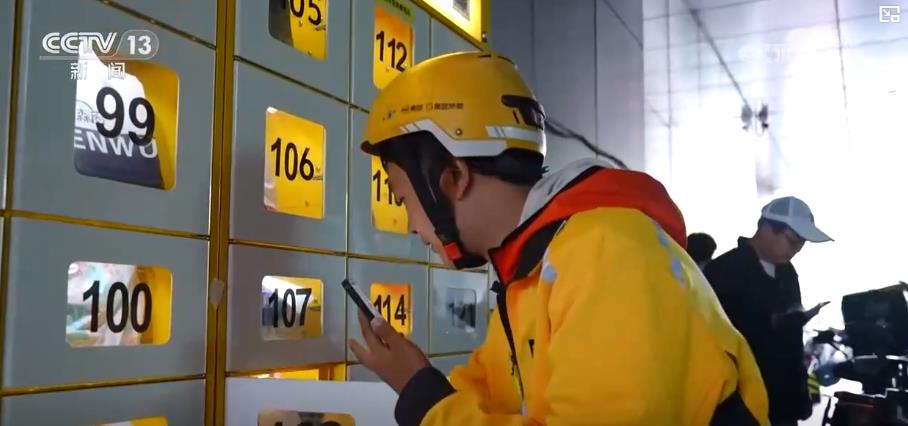
Group 1: Food Supply and Consumption Trends - China's per capita grain availability has reached 500 kg, with total livestock products amounting to 175 million tons, and annual production of facility vegetables exceeding 20 million tons, indicating a diversified food supply system is being rapidly established [1] - The search volume for "healthy meals" on delivery platforms has increased by 22% from January to August this year, with specific keywords like "vegetables" up by 38.6%, "whole grains," "buckwheat," and "avocado" seeing increases of 38.1%, 15.1%, and 27.6% respectively, highlighting a shift towards health-conscious eating [7][8] - Nearly 50% of office workers in Linyi, Shandong, rely on takeout for lunch, with a stable order volume exceeding 1,000 daily during lunch hours, reflecting a growing trend in meal delivery services [5] Group 2: Agricultural Supply Chain and Technology - Ningxia's cold-chain distribution center handles over 1,000 tons of vegetables daily, with a planting area of 3.03 million acres and a production of over 5.7 million tons of cold-resistant vegetables, ensuring a stable supply [12] - The use of technology in agriculture is crucial, as seen in Linyi County, Shandong, where over 1.2 million acres are dedicated to vegetable cultivation, utilizing smart greenhouses to enhance production efficiency [14] - The implementation of soilless cultivation for tomatoes has significantly increased yield, producing around 60,000 pounds per acre, which is 2 to 3 times higher than traditional methods [16]
三伏天苏州人“菜篮子”常青
Su Zhou Ri Bao· 2025-08-02 23:11
Core Insights - The market is actively addressing the "summer slack" period by enhancing supply chain connections and ensuring a steady supply of seasonal vegetables to consumers in Suzhou [1][2] - Daily vegetable supply in the market is stable at approximately 3600 tons, with a 20% increase in the daily arrival of highland and Kunming vegetables compared to the same period last year [1][2] Group 1 - The market has implemented strategies to stabilize the supply of leafy vegetables from regions like Changshu, Taicang, and Wujiang while supplementing with highland and Kunming vegetables to meet consumer demand during the summer [1] - The average daily trading volume of highland vegetables has reached around 1200 tons, featuring a variety of products from different regions, ensuring freshness through advanced preservation techniques [2] - The market emphasizes direct sourcing from producers, strengthening the connection between agricultural production and distribution to maintain a stable supply and pricing for consumers [2] Group 2 - The market focuses on building a robust supply chain and efficient distribution network to provide high-quality and personalized products, enhancing the overall value chain of seasonal agricultural products [2] - The market's strong supply system has successfully navigated multiple challenges to ensure consistent availability of fresh produce for consumers throughout the year [2]
北京“菜篮子”货足价稳
Bei Jing Wan Bao· 2025-07-30 07:29
Group 1 - Recent heavy rainfall in Beijing has led to increased efforts by markets and vendors to organize supply, resulting in sufficient availability of agricultural products such as vegetables and fruits [1] - On July 27, the market reported a vegetable supply of 1.92 million tons with an average price of 2.64 yuan per kilogram, while on July 28, the supply increased to 1.94 million tons with an average price of 2.65 yuan per kilogram, indicating stable pricing despite fluctuations [2] - The market has activated emergency plans to ensure adequate supply and price stability, with proactive measures taken to notify vendors and prepare for flood prevention [2] Group 2 - Certain vegetable prices have risen due to continuous heavy rainfall affecting production areas in Inner Mongolia and northern Hebei, particularly for varieties like cabbage and spinach [2] - Conversely, increased planting areas and production capacity in other regions have led to a rise in supply and a decrease in prices for vegetables such as leeks and cucumbers [2] - The market is currently experiencing a high supply of melons, especially watermelons, with daily listings exceeding 2,000 tons, contributing to overall supply stability [2]
北京果蔬供应未受影响 部分叶菜价格略上浮
Bei Jing Shang Bao· 2025-07-28 12:10
Core Insights - Despite continuous rainfall in Beijing and surrounding areas, the supply of fruits and vegetables remains stable [1][3] - The average daily vegetable supply at the Xinfadi market is approximately 20,000 tons, with a weighted average price of 2.62 yuan per kilogram [3] - Supermarkets and fresh food e-commerce platforms have increased stock levels in response to rising demand for essential goods during the rainy season [7][8] Supply Stability - The Xinfadi market has implemented measures to ensure supply stability, including the use of over 10,000 ice blocks daily to cool vegetables and the construction of rain shelters [4] - The market's vegetable supply is less affected by weather changes due to increased planting areas in recent years, leading to overall lower prices compared to the same period last year [3] Price Trends - Some leafy vegetables have experienced slight price increases due to harvesting difficulties caused by rain, with prices for certain items like celery rising from 2 yuan to 2.5 yuan per jin [3] - The overall price trend for vegetables remains stable, with only minor fluctuations observed [3] Supermarket Preparedness - Supermarkets such as Wumart and Yonghui have significantly increased their stock of essential items, with Wumart reporting a 20% increase in basic goods supply [7] - Yonghui has also ramped up inventory for instant food and essential goods, ensuring sufficient supply during adverse weather conditions [7] Fruit Supply - The Xinfadi market maintains a stable supply of seasonal fruits, with a daily supply of approximately 14,000 tons, including a large quantity of watermelons [10] - The watermelon supply is primarily sourced from Inner Mongolia, Liaoning, Ningxia, Xinjiang, and surrounding Hebei areas, with significant varieties available until late August or early September [10] Emergency Preparedness - In response to the first red rainstorm warning issued in Beijing, the Xinfadi market has prepared emergency measures and advised merchants to take precautions [11] - The market is actively monitoring low-lying areas to prevent supply disruptions due to flooding [11]
连日降雨致部分叶类蔬菜价格上涨,北京蔬菜供应整体未受影响
Xin Jing Bao· 2025-07-28 07:26
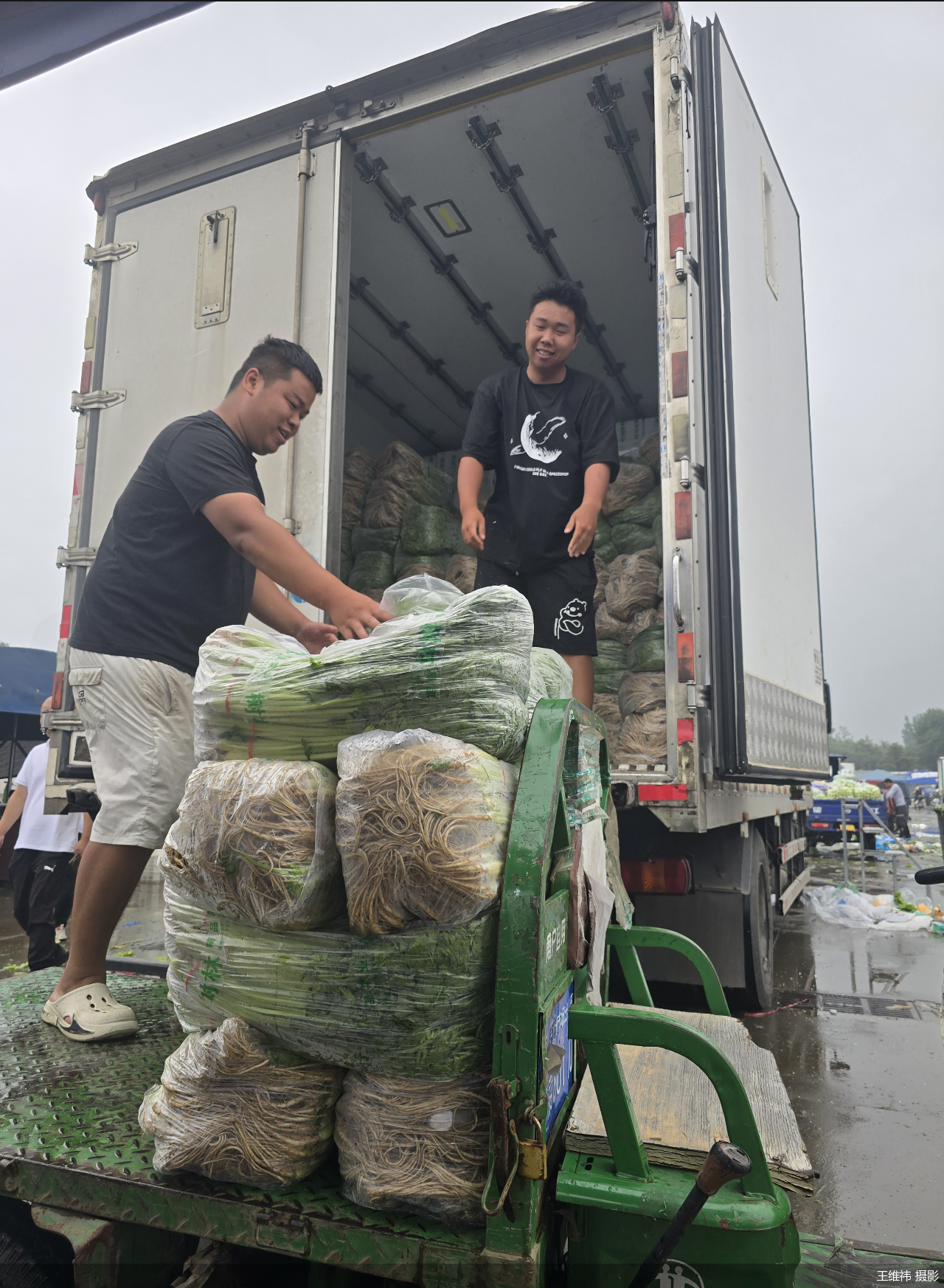
Core Insights - Recent heavy rainfall in Beijing and surrounding areas has impacted vegetable supply, with some leafy vegetables suffering damage and harvesting difficulties, leading to price increases, while other regions see price decreases due to increased production [1][2] - Overall, the supply of vegetables in the Xinfadi market remains stable, with a total market volume of 19,200 tons and an average price of 2.64 yuan per kilogram as of July 27 [1] - The market has implemented proactive measures to manage the impact of weather, including pre-warning systems and enhanced infrastructure to protect both merchants and products [2][3] Vegetable Supply and Pricing - Heavy rainfall in Inner Mongolia and northern Hebei has caused flooding, leading to reduced production of certain vegetables like cabbage and spinach, resulting in rapid price increases [2] - Conversely, increased production in other areas has led to price drops for vegetables such as leeks and cucumbers [2] - Compared to the same period last year, the overall vegetable prices are significantly lower due to reduced losses despite the adverse weather conditions [2] Market Operations and Preparedness - The Xinfadi market has taken steps to ensure smooth operations during adverse weather, including organizing supplies and preparing for flood prevention [2][3] - The market is supplying over 1,000 tons of ice daily to maintain the quality of leafy vegetables [2] - Emergency preparations have been made in response to the first red rainstorm warning issued by Beijing, with staff assigned to monitor low-lying areas [3]
黑龙江省集贤县市场监督管理局2025年第五期食品监督抽检信息公示
Zhong Guo Zhi Liang Xin Wen Wang· 2025-07-03 08:55
Summary of Key Points - The article reports on the food safety inspection results conducted by the Jixian County Market Supervision Administration for the year 2025, highlighting the number of samples tested and their compliance status [2][3] - A total of 40 batches of ordinary food were sampled, all of which passed the inspection, while 71 batches of agricultural products were tested, with 69 passing and 2 failing [2][3] - The report emphasizes the importance of these inspections in ensuring food safety and eliminating potential hazards in the food supply [2][3] Group 1: Inspection Results - 40 batches of ordinary food were tested, with a 100% pass rate [2][3] - 71 batches of agricultural products were tested, with 69 passing and 2 failing, indicating a compliance rate of approximately 97.2% [2][3] - The specific failures involved residues of agricultural chemicals exceeding the national safety standards [3] Group 2: Non-compliance Details - The two non-compliant agricultural products were found to have residues of chloramphenicol exceeding the maximum allowable limit of 0.3 mg/kg, with one sample showing 0.770 mg/kg and another showing 1.44 mg/kg [3] - The report provides detailed information about the non-compliant products, including the names of the producers and the specific locations where the samples were collected [3][4]