农业强国

Search documents
本周猪价小幅回落,优选成本领先的龙头猪企
GF SECURITIES· 2026-02-08 08:49
Core Insights - The report highlights a slight decline in pig prices, recommending leading pig farming companies with cost advantages for investment [2][5][13] - The agricultural sector underperformed the market by 0.6 percentage points, with the livestock and feed sectors both experiencing declines [20][21] Livestock Farming - As of February 6, the average price for lean pigs was 12.2 CNY/kg, down 2.8% week-on-week and 23% year-on-year, indicating a release of previously withheld supply [5][13] - The price for 7kg piglets remains stable at 360 CNY/head, suggesting optimism for pig prices in the second half of the year [5][13] - Recommended companies include Wens Foodstuffs, Muyuan Foods, and others, with a focus on cost-efficient large-scale farming enterprises [5][13] Poultry - The average price for broiler chickens was 3.7 CNY/jin, down 5.2% week-on-week, while the price for commercial broiler chicks was 2.3 CNY/chick, down 0.4% [5][13] - The report suggests that integrated poultry companies like Shennong Development and Yisheng Biotechnology will benefit from a less aggressive price competition in the fast-food and restaurant sectors [5][13] Dairy Farming - The price for fresh milk in major production areas was 3.04 CNY/kg as of January 29, stable week-on-week but down 2.9% year-on-year [14] - The report anticipates an upward trend in raw milk prices as the industry moves into a destocking phase [14] Feed and Animal Health - The report notes a slight decline in aquaculture prices, with farmers needing to enhance efficiency to maintain profitability amid a competitive feed market [15] - Leading feed companies are expected to gain market share as the industry consolidates, with a focus on international expansion [15] Crop Farming - The domestic corn price was 2368 CNY/ton, down 0.3% week-on-week, while soybean meal was priced at 3159 CNY/ton, down 1.2% [16][44] - The report emphasizes the government's commitment to agricultural modernization and food security, which may benefit leading seed companies [16][17] Pet Food Industry - The pet consumption market is projected to reach 312.6 billion CNY by 2025, with a focus on leading companies innovating in functional pet food products [17]


农业农村部部署落实中央一号文件重点工作 努力把农业建成现代化大产业
Zhong Guo Zheng Quan Bao· 2026-02-06 21:17
Core Viewpoint - The Ministry of Agriculture and Rural Affairs has issued implementation opinions to enhance agricultural modernization and rural revitalization, focusing on food security, poverty alleviation, and improving rural living conditions [1][2]. Group 1: Agricultural Production and Quality - The implementation opinions emphasize the need to enhance agricultural production capacity and quality, ensuring stable and safe supply of essential agricultural products [1]. - Key actions include improving grain and oil production, modernizing livestock farming, and promoting high-quality development in fisheries [1][2]. Group 2: Poverty Alleviation and Support - Continuous and precise assistance measures are to be implemented to consolidate and expand the achievements of poverty alleviation [1]. - The focus will be on improving the effectiveness of industry and employment support, particularly in underdeveloped areas [1][2]. Group 3: Agricultural Technology and Equipment - Strengthening agricultural technology and equipment support is crucial for leading the development of new agricultural productivity [2]. - This includes enhancing agricultural innovation efficiency and accelerating the application of agricultural technology achievements [2]. Group 4: Sustainable Agricultural Development - The opinions advocate for a comprehensive green transformation in agriculture to enhance sustainable development capabilities [2]. - This involves improving resource protection and management, as well as developing low-carbon agriculture [2]. Group 5: Rural Industry and Income Growth - The plan aims to cultivate and expand rural industries to promote stable income growth for farmers [2]. - Strengthening agricultural product processing and circulation, as well as enhancing rural characteristic industries, are key strategies [2]. Group 6: Rural Living Conditions - Accelerating improvements in rural living conditions is a priority, with tailored approaches for building livable and workable rural areas [2]. - Ongoing rural construction actions will focus on enhancing the living environment and preserving excellent farming culture [2]. Group 7: Rural Reform and Development - Further deepening rural reforms is essential to stimulate agricultural and rural development vitality [2]. - Stabilizing land contracting relationships and improving modern agricultural management systems are highlighted [2]. Group 8: Support and Implementation Mechanisms - Strengthening support mechanisms is necessary to ensure effective implementation of various tasks [2]. - This includes improving planning and implementation, enhancing multi-source investment mechanisms, and building a strong rural talent team [2].
盘前重磅!落实中央一号文件,农业农村部提出具体举措
证券时报· 2026-02-06 01:20
Core Viewpoint - The article outlines the implementation opinions of the Ministry of Agriculture and Rural Affairs regarding the modernization of agriculture and rural areas, emphasizing the importance of agricultural work in 2026 as the start of the "14th Five-Year Plan" period. Group 1: Agricultural Production Capacity and Quality - Emphasis on maintaining grain and oil production, ensuring stable grain output around 1.4 trillion jin, and promoting high-performance machinery and integrated technology to enhance productivity [6][7] - Development of modern facility agriculture, including energy-efficient greenhouses and modern breeding facilities [3][9] - Strengthening agricultural technology innovation and integrating it with industry innovation [3][16] Group 2: Livestock and Aquaculture Development - Focus on modernizing livestock production, including managing pig production and supporting dairy industry recovery [7][8] - Promotion of high-quality aquaculture practices and the development of deep-sea farming [8] Group 3: Food Supply and Safety - Development of a diversified food supply system and enhancement of food safety standards through comprehensive quality control measures [9][11] - Implementation of a new round of soil improvement and land quality enhancement initiatives [19][20] Group 4: Rural Revitalization and Poverty Alleviation - Establishment of a normalized assistance policy system to maintain financial support and resources for rural revitalization [12][13] - Continuous monitoring and support for poverty alleviation to prevent a return to poverty [13][14] Group 5: Agricultural Technology and Equipment - Promotion of agricultural technology innovation and the establishment of a robust agricultural machinery development framework [16][17] - Implementation of smart agriculture initiatives, including the use of AI, drones, and IoT in agricultural practices [18] Group 6: Sustainable Agricultural Practices - Focus on ecological low-carbon agriculture and the promotion of efficient resource utilization [20][21] - Strengthening the management of agricultural inputs and promoting the use of organic fertilizers [20] Group 7: Rural Infrastructure and Living Conditions - Improvement of rural infrastructure and public services to enhance living conditions in rural areas [24][25] - Promotion of cultural heritage and community governance to foster a harmonious rural environment [25][29] Group 8: Rural Reform and Economic Vitality - Stabilization of land contracting relationships and promotion of modern agricultural management systems [26][27] - Support for the development of rural collective economies and the establishment of a standardized rural property trading market [28] Group 9: Financial Support and Policy Implementation - Prioritization of public budget investments in agriculture and rural areas, along with the optimization of financial support mechanisms [30][31] - Enhancement of agricultural support policies to stabilize prices and ensure farmers' income [31][32]


朝着建设农业强国目标扎实迈进(政策解读·中央一号文件)
Ren Min Ri Bao· 2026-02-03 22:23
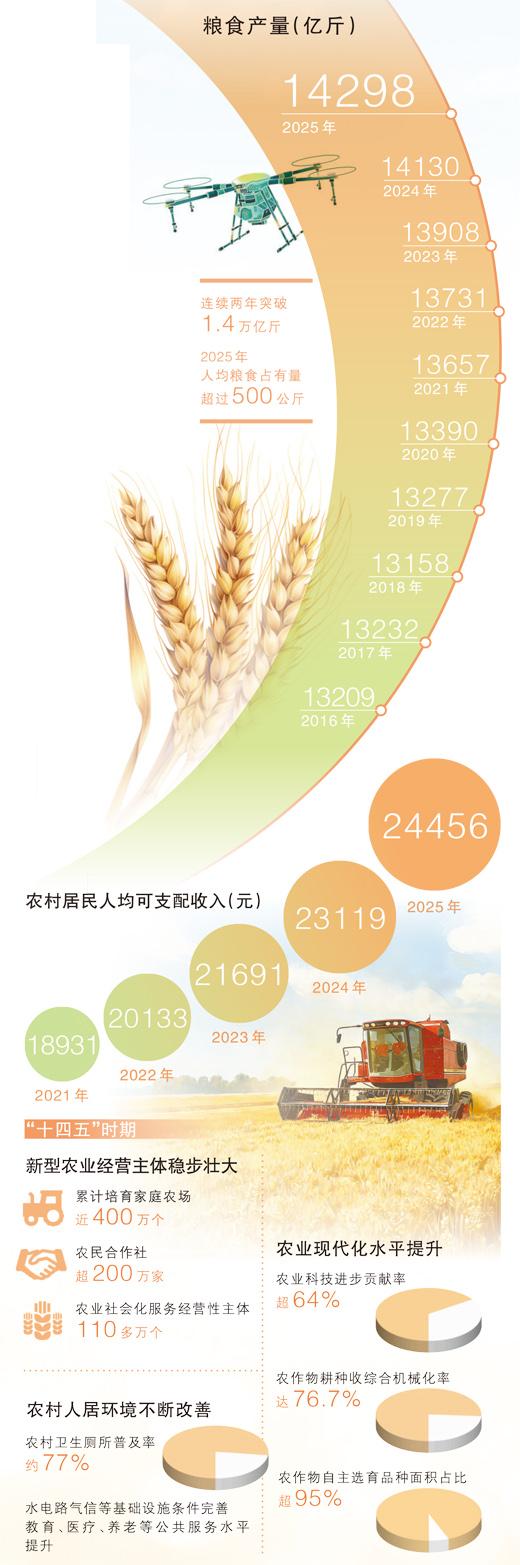
Core Viewpoint - The central government emphasizes the importance of addressing agricultural and rural issues as a priority, aiming for modernization in agriculture and improved living conditions for farmers by 2026 [3]. Group 1: Agricultural Production and Food Security - Grain production in China is expected to remain stable at around 1.4 trillion jin, with a focus on enhancing agricultural productivity and quality [4][5]. - The government aims to implement measures to increase grain yield, including optimizing agricultural production structures and improving crop quality [5][6]. - Strengthening disaster prevention and response capabilities is crucial for enhancing grain production capacity [6][7]. Group 2: Rural Development and Poverty Alleviation - The government stresses the need for continuous support to prevent large-scale poverty and ensure the sustainability of poverty alleviation efforts [9][10]. - A systematic approach to regularized assistance is proposed, focusing on maintaining financial support and optimizing existing policies to enhance effectiveness [9][10][11]. - The emphasis is placed on targeted assistance for different regions, particularly for underdeveloped areas, to ensure equitable development [11]. Group 3: Income Growth for Farmers - Increasing farmers' income is identified as a central task, with measures to broaden income channels and enhance agricultural productivity [13][14]. - The average disposable income for rural residents is projected to reach 24,456 yuan in 2025, reflecting a nominal growth of 5.8% [13]. - The government plans to support farmers through various income sources, including agricultural production, labor income, and local industries [14][15]. Group 4: Infrastructure and Rural Living Conditions - The government aims to improve rural infrastructure and public services, addressing issues such as transportation, water supply, and waste management [16][18]. - There is a focus on enhancing the quality of rural living environments and ensuring that development aligns with local needs and conditions [17][18]. - The initiative includes promoting cultural and social improvements in rural areas to foster a better quality of life [17][19].
2026年一号文件发布,加快建设农业强国
GF SECURITIES· 2026-02-03 14:51
Investment Rating - The industry investment rating is "Buy" [2] Core Insights - The report emphasizes the acceleration of building an agricultural powerhouse as highlighted in the 2026 Central Document No. 1, which focuses on enhancing agricultural production capacity and quality, implementing precise assistance, and promoting stable income growth for farmers [7] - It stresses the need for comprehensive regulation of pig production capacity and the establishment of a diversified food supply system, indicating a shift from "doing well" to "strengthening" the regulation of pig production capacity compared to the 2025 document [7] - The report outlines the goal of stabilizing grain and oil production, with a target grain output of approximately 1.4 trillion jin, and emphasizes the importance of seed industry revitalization actions [7] - It highlights the integration of artificial intelligence with agricultural development, promoting the use of drones and other technologies to enhance agricultural productivity [7] - Investment suggestions include focusing on leading seed companies that benefit from breeding innovation and the biological breeding industry, such as Longping High-Tech, Denghai Seeds, and Kangnong Seeds [7] Summary by Sections Policy Insights - The 2026 Central Document No. 1 outlines three main areas: improving agricultural production capacity, implementing precise assistance, and promoting stable income growth for farmers [7] - It calls for a focus on stabilizing grain production and enhancing the diversity of oilseed supply, including increasing soybean production and expanding the cultivation of other oil crops [7] Technological Integration - The report discusses the potential of integrating AI with agriculture, including applications in autonomous farming machinery and AI pest identification, which are expected to drive improvements in agricultural efficiency [7] Investment Recommendations - The report recommends attention to companies with breeding research advantages, particularly in the context of the biological breeding industry, suggesting companies like Longping High-Tech, Denghai Seeds, and Kangnong Seeds as potential investment opportunities [7]

着眼“十五五”,习近平总书记引领“三农”工作新开局
Xin Hua She· 2026-02-03 13:55
Core Insights - The 2026 Central Document, released on February 3, focuses on "agriculture, rural areas, and farmers" (referred to as "three rural issues") and marks the first document of the 14th since the new era, emphasizing the importance of these issues in the context of the 14th Five-Year Plan [1][2] Group 1: Agricultural Modernization - The document highlights the need to accelerate the construction of a strong agricultural nation, addressing the critical period of the 14th Five-Year Plan, which is essential for achieving socialist modernization [2] - It emphasizes the importance of enhancing agricultural productivity and ensuring food security, with a focus on improving comprehensive production capacity and quality efficiency [3] Group 2: Poverty Alleviation and Rural Revitalization - The document outlines systematic measures for implementing normalized and precise assistance to maintain the achievements of poverty alleviation, particularly in the transition period following the completion of poverty alleviation tasks [4] - It stresses the importance of protecting farmers' enthusiasm for farming and increasing their income through various initiatives, including supporting county-level industries and stable employment for migrant workers [4] Group 3: Rural Infrastructure and Living Conditions - The document calls for accelerating the improvement of rural living conditions and enhancing infrastructure, while also promoting the modernization of rural areas [5][6] - It emphasizes the need for a comprehensive approach to rural development, integrating agricultural and rural modernization, and ensuring that both material and spiritual living standards are improved [6] Group 4: Tailored Approaches to Rural Development - The document advocates for a "tailored" approach to rural construction, encouraging localized strategies that align with the specific needs of farmers and rural communities [5][6] - It highlights the importance of adapting rural development strategies to local conditions, ensuring that initiatives are practical and effective in meeting the demands of rural populations [6]
第一观察|着眼“十五五”,习近平总书记引领“三农”工作新开局
Xin Hua She· 2026-02-03 13:45
Core Viewpoint - The article emphasizes the importance of the "Three Rural Issues" (agriculture, rural areas, and farmers) in the context of China's 14th Central Document focusing on these issues, marking the beginning of the "15th Five-Year Plan" period. It highlights the need for modernization in agriculture and rural areas as a foundation for achieving socialist modernization in China [3][4]. Group 1: Agricultural Modernization - The "15th Five-Year Plan" period is identified as a critical time for achieving agricultural modernization and addressing existing shortcomings in the agricultural sector [3]. - The document stresses the need to enhance agricultural productivity and ensure food security, with specific measures to protect arable land and improve agricultural quality [5]. - A diversified food supply system is to be promoted, expanding beyond traditional grains to include various food sources such as meat, dairy, and vegetables [5]. Group 2: Poverty Alleviation and Rural Revitalization - The document outlines strategies for consolidating poverty alleviation achievements and ensuring that no large-scale return to poverty occurs, particularly as the transition period following the completion of poverty alleviation efforts comes to an end [6]. - Systematic deployment of regular and precise assistance measures is emphasized, focusing on improving the effectiveness of industry and employment support for underdeveloped areas [6][7]. Group 3: Rural Infrastructure and Living Conditions - The article highlights the need for improved rural infrastructure and public services, addressing the current inadequacies in these areas [8]. - It calls for a comprehensive approach to rural modernization, ensuring both material and spiritual well-being for rural residents, and emphasizes the importance of cultural enrichment alongside economic development [9]. - The principle of "adapting to local conditions" is reiterated as essential for effective rural development strategies, requiring tailored approaches based on specific local needs [9].
“十五五”首个中央一号文件发布
证券时报· 2026-02-03 10:52
Core Viewpoint - The article emphasizes the importance of agricultural and rural modernization as a foundation for China's overall modernization, highlighting the need for comprehensive rural revitalization and the implementation of effective agricultural policies to ensure food security and improve farmers' livelihoods [1][3]. Group 1: Agricultural Production Capacity and Quality - The goal is to stabilize grain production at around 1.4 trillion jin, implementing actions to enhance grain capacity and optimize agricultural production structures [4]. - The focus is on improving the quality and efficiency of the "vegetable basket" industry, ensuring a balanced supply of meat and dairy products, and enhancing food safety measures [5]. - There is a commitment to protecting arable land and improving its quality, with strict management of land use and a focus on sustainable agricultural practices [6]. Group 2: Agricultural Innovation and Disaster Prevention - The article calls for strengthening agricultural technology innovation, promoting the application of advanced technologies such as AI and IoT in agriculture [7]. - It emphasizes the need for a robust agricultural disaster prevention and mitigation system, including improved monitoring and response capabilities to extreme weather events [8]. Group 3: Continuous Support for Rural Development - A framework for ongoing support to prevent poverty and ensure water safety is outlined, with a focus on maintaining financial stability in rural areas [9]. - The article discusses enhancing monitoring and assistance mechanisms to identify and support vulnerable populations effectively [10]. Group 4: Promoting Farmers' Income Stability - Policies will be implemented to protect farmers' interests, including price supports and insurance mechanisms for key crops [11]. - The development of county-level industries and the integration of agriculture with tourism and e-commerce are highlighted as strategies to boost rural economies [12]. Group 5: Infrastructure and Public Services - The article stresses the need for improved rural infrastructure, including water supply, electricity, and transportation systems, to enhance living conditions in rural areas [16]. - It also emphasizes the importance of providing basic public services, such as education and healthcare, to support rural communities [17]. Group 6: Ecological and Cultural Development - There is a focus on ecological protection and restoration in rural areas, promoting sustainable agricultural practices and waste management [18]. - The article advocates for the promotion of cultural values and community engagement to foster a positive rural social environment [19][20]. Group 7: Leadership and Governance - The article underscores the necessity of strong leadership in rural development, with a focus on enhancing the capabilities of local governance structures [25][26]. - It calls for innovative approaches to rural financing and resource management to support sustainable agricultural practices [22][23].

专家学者共话“十五五”加快农业农村现代化发展路径
Xin Lang Cai Jing· 2026-01-21 20:32
Core Insights - The forum at Tsinghua University focused on the theme of accelerating agricultural and rural modernization during the "14th Five-Year Plan" period, discussing tasks and development paths for this initiative [1][2] - The report released by Tsinghua University’s China Rural Research Institute evaluated the livability and workability of rural areas, assessing the construction levels of beautiful rural areas across 1,470 counties in China [2] Group 1: Agricultural Modernization Goals - Chen Xiwens, the chairman of the Agricultural and Rural Committee of the National People's Congress, emphasized the adaptability and vitality of China's dual management system based on family contracting, advocating for innovation in rural basic management systems and agricultural social services to achieve the goal of a strong agricultural nation with Chinese characteristics [1] - Du Ying, former deputy director of the National Development and Reform Commission, highlighted the need to focus on the overall goal of agricultural and rural modernization during the "14th Five-Year Plan" period, with an emphasis on increasing effective supply of agricultural products and farmers' income [1] Group 2: Key Tasks for Agricultural Modernization - Pan Wenbo, chief agronomist of the Ministry of Agriculture and Rural Affairs, outlined key tasks for accelerating agricultural modernization, including enhancing comprehensive production capacity and quality, consolidating poverty alleviation achievements, promoting the construction of livable and workable beautiful villages, broadening income channels for farmers, and improving the effectiveness of policies benefiting agriculture [1] - Hu Angang, a senior professor at Tsinghua University, stressed the strategic significance of modernizing agriculture, rural areas, and farmers for solidifying the foundation of Chinese-style modernization, proposing paths such as technological empowerment and industrial integration [2] Group 3: Rural Economic Development - Ye Xingqing, former director of the Rural Economy Research Department of the State Council Development Research Center, emphasized the goal of transforming agriculture into a modern large industry, focusing on land protection and agricultural technology innovation [2] - Wei Houkai, a member of the Chinese Academy of Social Sciences, pointed out that rural operation is crucial for comprehensive rural revitalization, advocating for the professional and market-oriented operation of rural collective economies and a shift from single-village to regional operations [2]
把知识“种”进田野,新农人交出“硬核”答卷
Zhong Guo Qing Nian Bao· 2026-01-18 22:32
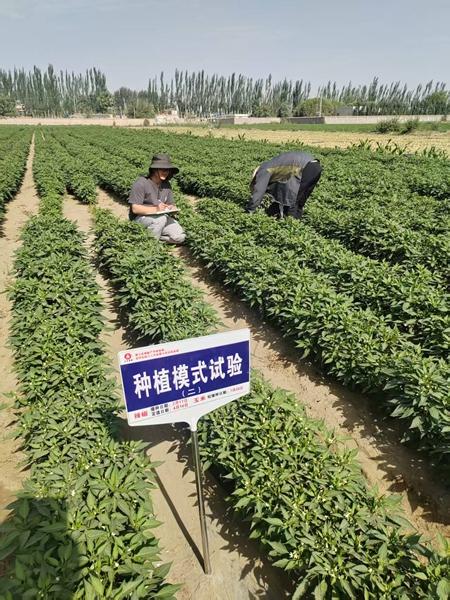
Core Insights - The articles highlight the role of agricultural universities in fostering new agricultural talents and addressing real-world agricultural challenges through hands-on experience and research [1][4][14] Group 1: Agricultural Innovations and Practices - Chinese agricultural universities are actively involved in developing local agricultural products, such as domestically grown durians and improved tomato varieties, which enhance sweetness by 30% [1] - In Xinjiang, the introduction of high-tech agricultural practices, including the use of Beidou navigation systems for mechanized farming, is transforming local industries, particularly in chili pepper cultivation [2][4] - The establishment of technology innovation centers, like the Hainan Sanya Durian Technology Institute, aims to localize durian production, reducing reliance on imports from Southeast Asia [5][7] Group 2: Student Engagement and Community Impact - Students from agricultural universities are directly involved in fieldwork, addressing farmers' needs and adapting their research to local conditions, which fosters trust and collaboration with the farming community [2][4][9] - The concept of "technology small courtyards" has been implemented, where students live and work alongside farmers, directly applying their academic knowledge to solve practical agricultural problems [4][9] - The average income for farmers involved in the chili pepper industry in Xinjiang has reportedly increased by 3,000 yuan per acre due to the technological support provided by university students [8] Group 3: Educational Philosophy and Research Focus - The educational approach emphasizes the importance of understanding local agricultural conditions and the socio-economic context, which is seen as essential for effective agricultural research and development [8][9] - Faculty members encourage students to persist in their research despite challenges, highlighting the value of dedication and long-term commitment to solving agricultural issues [12][14] - The integration of practical experience with theoretical learning is viewed as crucial for cultivating a sense of responsibility among students towards national agricultural development [10][14]