大豆类制品

Search documents
老年人人口首破3亿,食品品牌怎么抓住红利,做适老化产品?
3 6 Ke· 2025-05-13 01:39
Core Insights - The article emphasizes the importance of the "silver economy," highlighting the need for brands to adapt their products and marketing strategies to cater to the evolving needs and preferences of the aging population, defined as those aged 40 and above [4][5][6]. Group 1: Demographics and Market Trends - The silver households in first to fifth-tier cities are projected to see a sales growth of 9% year-on-year in 2024, surpassing the overall fast-moving consumer goods growth rate of 1.7% [4]. - The traditional perception of elderly consumers is changing, with the new elderly demographic characterized by a youthful mindset, active social lives, and a focus on health management [5][6]. Group 2: Consumer Preferences - The silver population shows a strong preference for "eating less but better," with 12% indicating this trend, reflecting their desire for high-quality, nutritious food due to slower metabolism and health concerns [6]. - Taste remains a crucial factor for the elderly, who prefer less sweet beverages and are attracted to flavors like fruit juice and tea [6][7]. - There is a significant focus on gut health among the elderly, leading to increased demand for probiotics and functional dairy products [7]. Group 3: Product Development Strategies - Brands are encouraged to create dedicated product lines for the elderly, modify existing products for age-appropriateness, and enhance the applicability of products in various scenarios [5][6]. - The silver economy presents opportunities for brands to promote multifunctional nutritional products that cater to the comprehensive dietary needs of the elderly [7]. Group 4: Marketing and Sales Channels - Effective marketing strategies should consider the awareness, consideration, and purchasing stages of the elderly consumer journey, leveraging social networks and digital platforms to enhance product visibility [9]. - The integration of online and offline sales channels is crucial, as the widespread use of smartphones among the elderly opens new avenues for engagement and sales [9].

老年人人口首破3亿,食品品牌怎么抓住红利,做适老化产品?
FBIF食品饮料创新· 2025-05-13 00:35
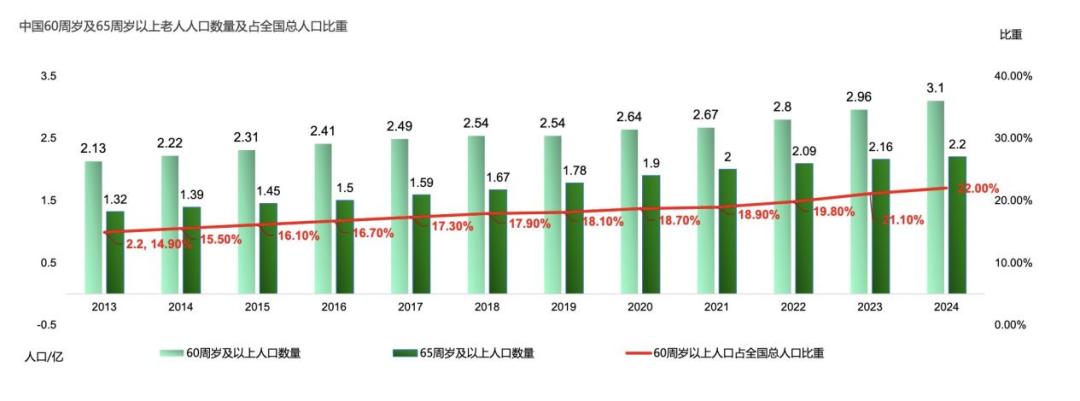
Core Viewpoint - China has entered a moderately aging society, with the population aged 60 and above reaching 310 million in 2024, accounting for 22% of the total population [1][2]. Group 1: Demographics and Market Trends - The silver-haired group, defined by Kantar as individuals aged 40 and above, is reshaping the consumer market with a youthful mindset [4]. - In 2024, the total sales of silver-haired households in first to fifth-tier cities grew by 9%, surpassing the overall fast-moving consumer goods sales growth of 1.7% [5]. - The silver-haired population is characterized by a desire to live for themselves, a rich social life, and a strong focus on health management, especially among those aged 50 to 60 [5]. Group 2: Consumption Behavior and Preferences - The silver-haired group shows a strong preference for high-quality, nutritious food, with 12% indicating a desire for "eating less but better" [6]. - There is a misconception that older consumers prefer bland food; however, they still prioritize taste, favoring lighter flavors such as fruit juices and teas [7]. - The silver-haired population is particularly concerned about gut health, leading to a demand for probiotics and functional dairy products [7]. Group 3: Product Development and Marketing Strategies - Brands should consider three strategies to enhance product value for the silver-haired group: creating dedicated product lines, adapting existing products for older consumers, and increasing applicable scenarios for products [6]. - Marketing strategies should focus on raising awareness through social circles, emphasizing ingredient transparency, and utilizing both online and offline channels for sales [9]. - The silver-haired economy represents a burgeoning industry that can drive economic growth and provide new opportunities for the food and beverage sector [9].