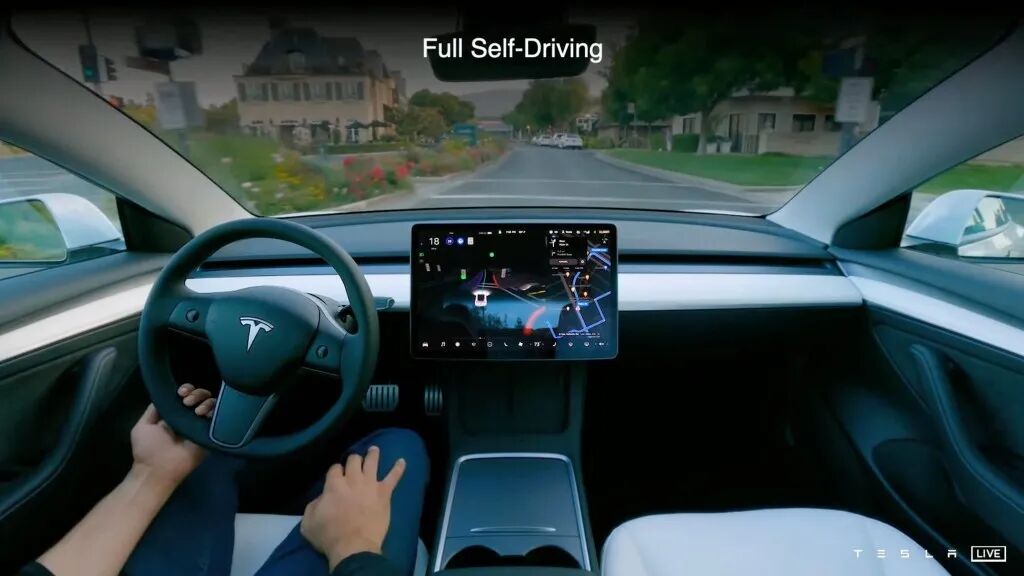
天神之眼C辅助驾驶系统

Search documents
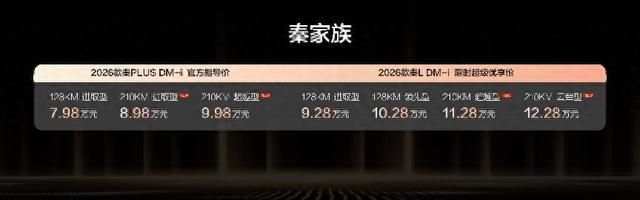
满足更多家庭用车需求,2026款秦家族新车上市
Bei Jing Ri Bao Ke Hu Duan· 2026-01-12 01:19
Core Viewpoint - BYD officially launched the 2026 Qin L DM-i and Qin PLUS DM-i models with a long-range version of 210 kilometers, priced between 89,800 yuan and 122,800 yuan [1] Group 1: Product Launch Details - The 2026 Qin L DM-i long-range version is priced at a promotional price of 112,800 to 122,800 yuan, while the Qin PLUS DM-i is priced between 89,800 and 99,800 yuan [1] - Both models feature a pure electric range of 210 kilometers and a combined range exceeding 2,110 kilometers with full fuel and battery [3] Group 2: Design and Features - The Qin L DM-i offers six color options including Ink Bamboo Green and Star River Beige, while the Qin PLUS DM-i adds three new colors: Pine Smoke Green and Weiyang Gray, totaling seven color choices [5] - Interior upgrades include an integrated electronic gear shift for enhanced storage and convenience [5] Group 3: Technology and Safety Features - The Qin L DM-i is equipped with the Yun Nian-C intelligent damping body control system and predictive systems, along with a multi-link independent suspension for improved ride quality [6] - The Qin PLUS DM-i features the Tian Shen Zhi Yan C auxiliary driving system, supporting advanced navigation and smart parking, along with a high-end DiLink 100 smart cockpit for entertainment [6] Group 4: Ecosystem and Promotions - BYD has established a "smart ecosystem" in collaboration with Goodbaby and Beiqing Song to enable voice control for smart children's seats and massage devices [8] - The top model of Qin L DM-i includes a limited-time offer of a 3,000 yuan TBC high-speed tire stability system, while the Qin PLUS DM-i offers up to 4,000 yuan in trade-in subsidies and 4,000 yuan in financial discounts [8]


自动驾驶2025年终盘点:走出“青春期”,从技术炫技到全球落地
3 6 Ke· 2025-12-31 04:27
Core Insights - The autonomous driving industry reached a significant milestone in 2025, transitioning from a conceptual phase to practical applications, with various companies achieving regulatory approvals and launching commercial operations [1][3][21] Industry Developments - In 2025, Chinese autonomous driving companies accelerated their global expansion, with notable projects such as MOGOX and BYD winning Singapore's first L4 autonomous bus pilot project, marking a significant entry into developed countries' public transport systems [3][5] - The successful implementation of L3 autonomous driving regulations in Beijing and Chongqing established a framework for commercial operations, with the first L3 vehicles receiving conditional approval for operation in specific areas [8][9][11] Technological Advancements - The industry saw a shift towards end-to-end architectures and localized adaptations, with companies like Huawei introducing advanced systems that significantly reduce latency and improve performance in complex driving scenarios [12] - The introduction of affordable high-level autonomous driving features in vehicles, such as the BYD Qin L DM-i, has increased market penetration, with the adoption rate for advanced driving features in vehicles under 150,000 yuan rising from 5% to 18% by the end of 2025 [13] Capital Market Activities - The dual listing of Pony.ai and WeRide on the Hong Kong Stock Exchange marked a significant event in the capital market, with both companies focusing their fundraising efforts on commercializing L4 technology [16][18] - Despite initial stock price declines post-listing, the dual listing is seen as a benchmark for the industry, providing a stable financing channel and highlighting the long-term value of autonomous driving technologies [19] Globalization and Market Expansion - The global rollout of Robotaxi services accelerated, with partnerships like WeRide and Uber launching operations in Dubai, while Tesla initiated limited testing in the U.S. [6][21] - The successful deployment of autonomous driving solutions in high-density urban environments, such as Singapore, enhances China's influence in global autonomous driving standards [6][21] Regulatory and Safety Considerations - The industry faced challenges related to safety and regulatory compliance, with incidents prompting a reevaluation of operational safety measures and the establishment of stricter regulatory frameworks [20][21] - The balance between innovation and regulation is crucial for the sustainable development of the autonomous driving sector, as evidenced by the regulatory responses to safety incidents [20][21]