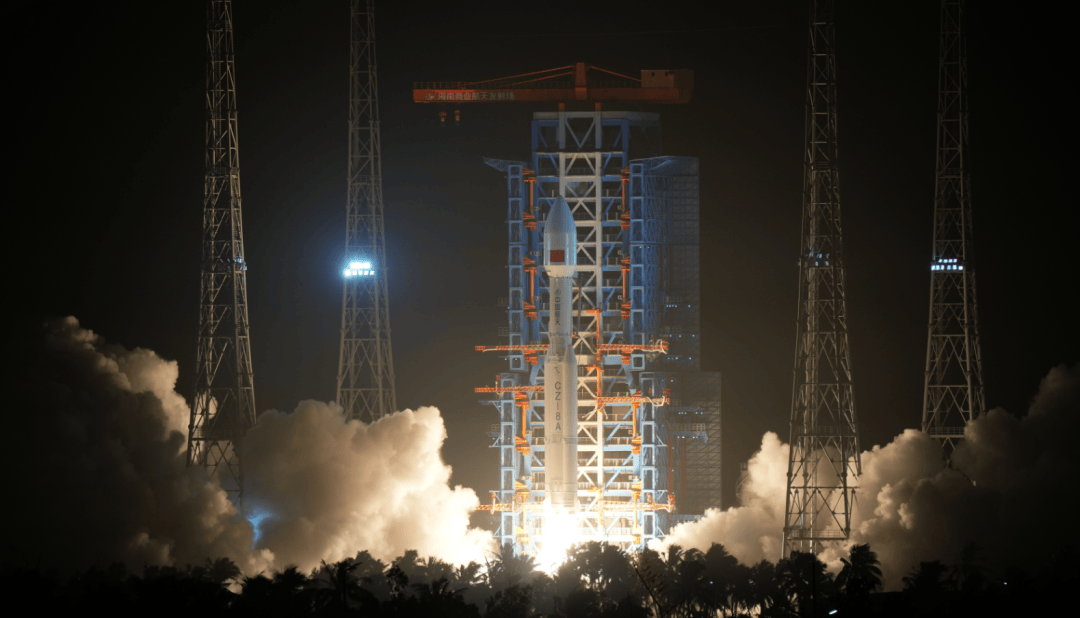
天通卫星系统

Search documents
天通一号卫星下一代系统时间表确定 2029 年将正式投入应用
Huan Qiu Wang Zi Xun· 2025-11-25 03:57
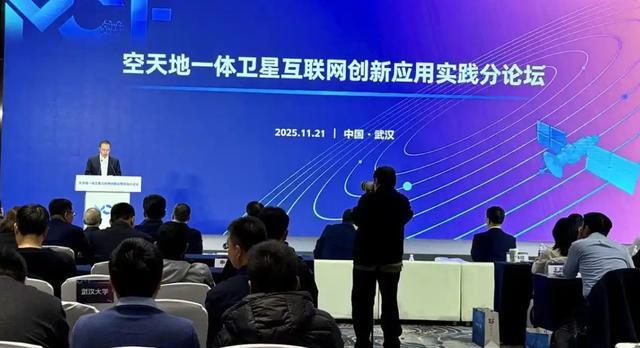
来源:环球网 【环球网科技综合报道】11月25日消息,"天通+北斗"国产星基高精度定位服务近日在武汉正式开启试 商用。这一举措不仅为北斗系统规模化应用注入强劲动力,更对我国综合PNT(定位、导航、授时)体 系自主化建设起到重要支撑作用,标志着我国卫星通信与导航融合应用迈入新阶段。 作为我国首个自主建设的卫星移动通信系统,天通卫星系统由中国航天科技集团有限公司研制、中国电 信独家运营,自2016年首颗"天通一号01星"成功发射以来,已构建起覆盖广泛、稳定可靠的卫星通信网 络。中国电信集团市场部副总经理沈骏祥介绍,天通卫星的覆盖范围不仅囊括我国全境领土和领海,还 延伸至东南亚、西太平洋等地区,更已实现对中国及周边地区、中东、非洲,以及太平洋和印度洋大部 分海域的全面覆盖,在应急通信、海洋通信和偏远地区通信保障等领域发挥着不可替代的作用。 随着智能手机直连卫星技术的突破性进展,天通卫星系统的应用场景正持续拓展。目前,该系统已与华 为、小米、vivo、OPPO、荣耀、三星等主流品牌的多款旗舰机型实现兼容,让用户在无地面网络覆盖 的极端环境下,也能通过手机便捷实现卫星通话与数据传输,真正将卫星通信服务融入大众生活。 天 ...

卫星互联网牌照发放在即,谁将引领中国“太空互联网”新篇章?
Sou Hu Cai Jing· 2025-08-28 06:06
Core Insights - The issuance of satellite internet licenses marks a significant step towards the commercialization and standardization of satellite communication services in China [1][2][3] - The licenses will allow companies to legally provide satellite internet services, securing access to scarce spectrum and orbital resources, similar to mobile communication operator licenses [1][2] Industry Overview - The satellite internet license falls under the A13 category of the Basic Telecommunications Business Operating License, covering both satellite mobile and fixed communication services [1] - The high entry barriers for obtaining the license include a minimum state-owned share of 51% and a registered capital requirement between 100 million to 1 billion RMB [1] Competitive Landscape - Major candidates for the first batch of license holders include China Telecom, China Mobile, China Unicom, China Star Network, and Shanghai Yuanxin [2] - China Telecom operates the Tian Tong satellite system, while China Mobile is exploring 5G integration with its low-orbit satellite [2] Strategic Implications - The license issuance is seen as a strategic move to enhance China's position in the global space resource competition, especially against established players like SpaceX [2][3] - The initiative aims to transition satellite internet from a defense and research focus to a more general public service [3] Technological Development - The GW constellation, led by China Star Network, has successfully launched multiple satellites, increasing launch frequency significantly [3][5] - However, there remains a technological gap compared to SpaceX's Starlink, particularly in satellite capacity and core technologies [3][5] Future Outlook - The GW constellation plans to deploy 12,992 satellites by 2029, with a 10% deployment target to secure spectrum resources [5] - The development of a rich application ecosystem based on satellite internet services is crucial for creating value in the market [5]